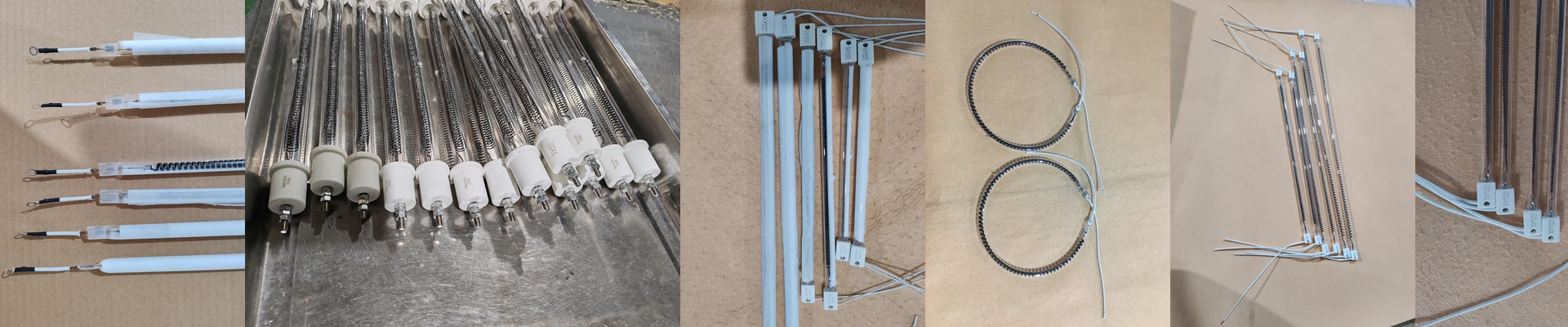

Getting Your MHM LaRio Dryer Lamps Right
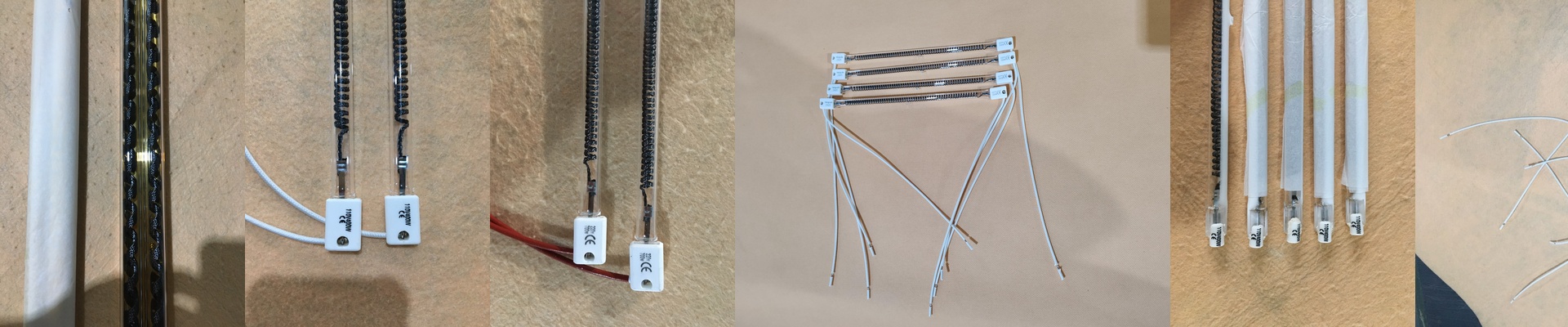
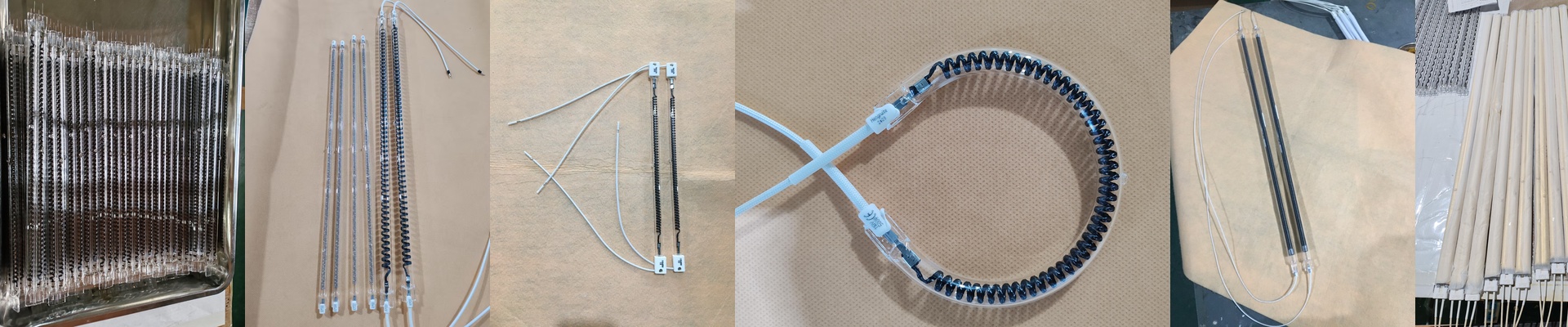
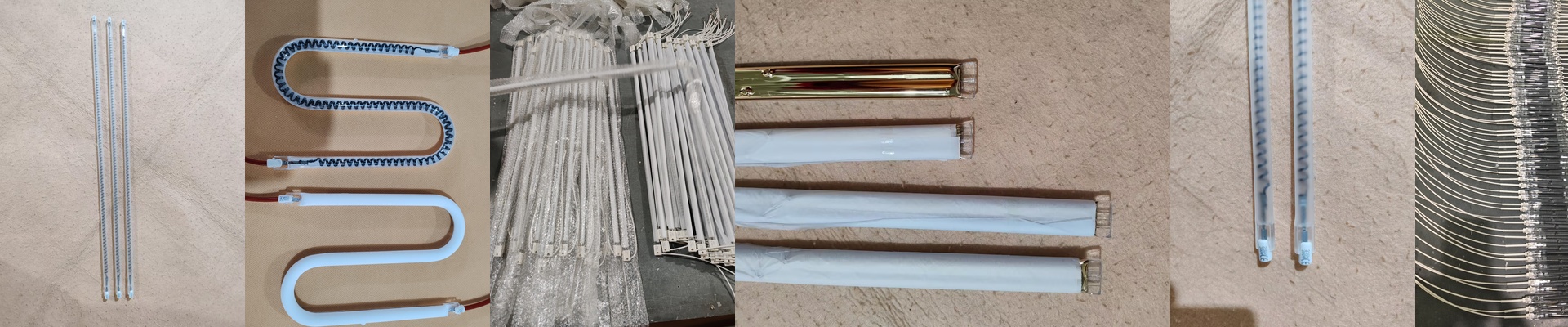
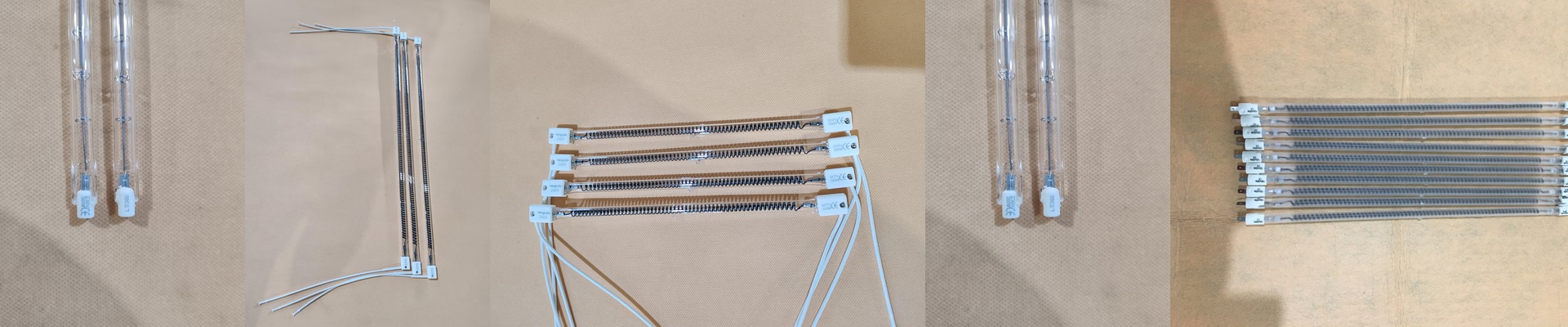
If you’re running an MHM LaRio, you know the dryer lamps are basically the heart of the whole operation. When they’re firing on all cylinders, your production flies. But the second that heat density dips? That’s when the nightmares start. We’re talking ghosting, peeling, and ink that just won’t cure. You don’t have to pay the “OEM tax” to get that kind of performance, though. You just have to care about the actual physics of the lamp rather than the logo on the box. The Voltage Trap Here’s the thing about power: it has to be exact. We build our lamps to be simple drop-in replacements, which means the voltage and wattage have to play nice with your machine’s transformer. If you try to save a few bucks with a lower-voltage lamp, you’ll likely fry the filament the moment you flip the switch. On the flip side, a higher-voltage lamp won’t get hot enough. You’ll end up slowing your line speed just to get the ink to set, and that kills your profit. We focus on the watt-per-centimeter ratio so the heat hits the shirt evenly, every single time. Quartz, Halogen, and the Heat Most LaRio setups use short-wave infrared (SWIR) halogen lamps. We use high-purity quartz glass because these things take a beating. They heat up and cool down constantly, and cheap glass just can’t handle that stress. The halogen cycle is what keeps the tungsten filament alive longer, which means fewer mid-shift replacements. Depending on what ink you’re pushing, you might even need a coated tube to tweak the spectrum. One quick tip: keep your reflectors clean. If they’re pitted or covered in grime, that intense heat doesn’t push forward onto the garment. Instead, it bounces back into the housing and can actually warp your fixtures. Not a great look. The Fit (Because 2mm Matters) We stick to standard R7s or Sk15 connectors. No hacking into your wiring, no weird adapters. Just plug and play. But the real secret is the length. It sounds nitpicky, but if a lamp is even 2mm too long, it puts pressure on the quartz envelope against the holder. Once the machine starts vibrating during a run, that pressure turns into a crack. Precision isn’t about being fancy—it’s about making sure your lamp doesn’t shatter while you’re in the middle of a huge order.