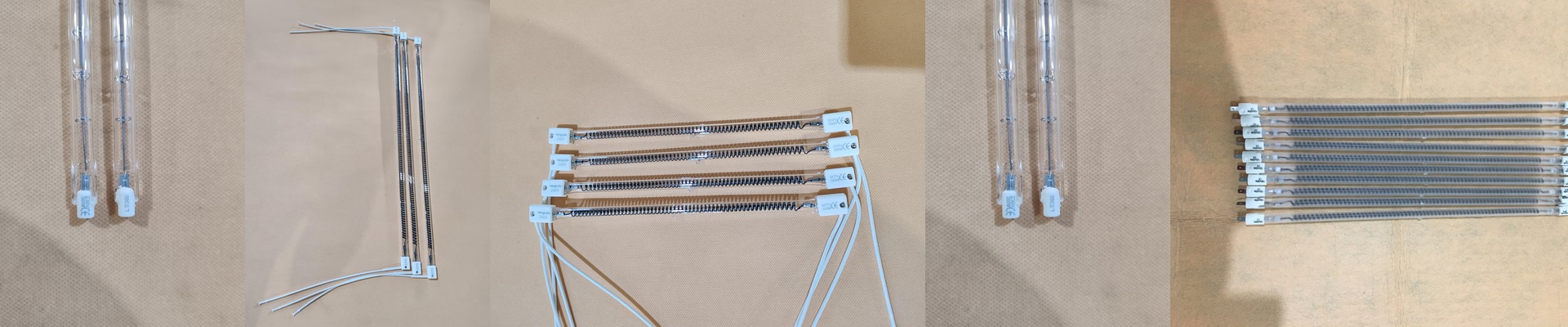

Getting Your Paint Cure Right with SK15 Carbon Fiber Lamps
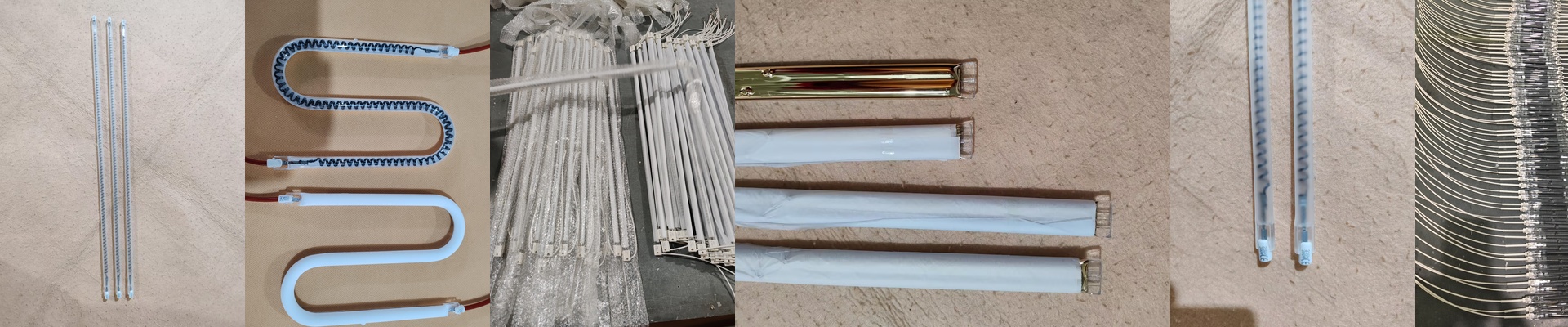
If you’ve spent any time on a production line, you know the headache of paint curing. You need that perfect “heat soak” to get the chemistry right, but one wrong move and you’ve scorched the whole part. That’s where these carbon fiber lamps come in. Instead of the usual quartz heaters, we use carbon fiber filaments to push out shortwave infrared (SWIR) radiation. The difference? They heat up fast. Like,really fast. You get a concentrated blast of heat that hits the surface much quicker than the old-school stuff.
The Nitty-Gritty on Power
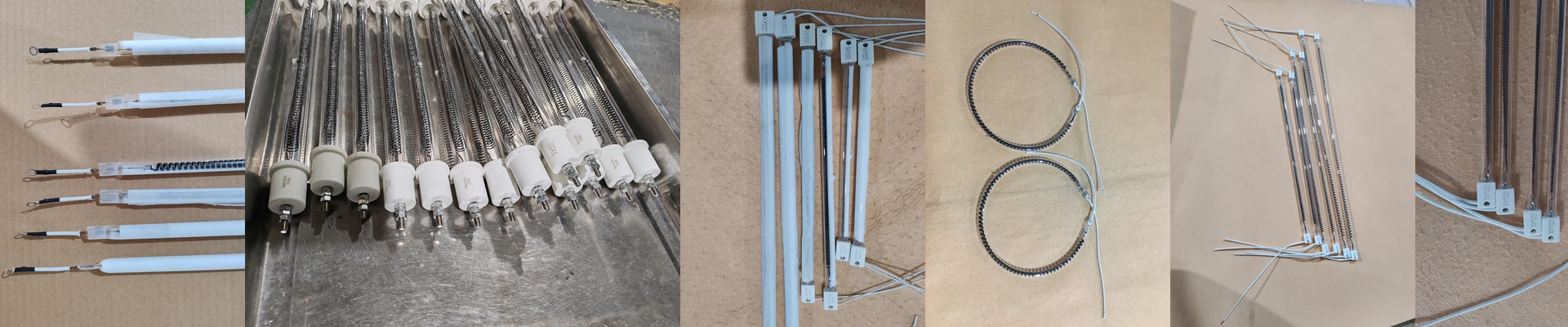
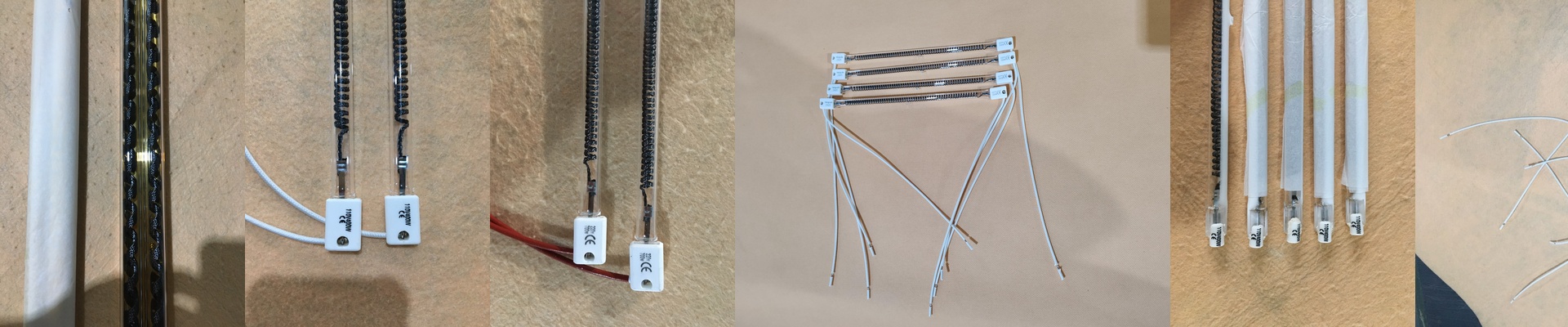
We designed the SK15 interface to be a simple plug-in. If a lamp goes out, you just swap it and keep moving. No drama. When you’re picking your lamps, keep an eye on the wattage-to-length ratio. That’s what actually controls your speed. High-wattage tubes pack a ton of energy into a tiny space, so you can hit your target temperatures in a matter of seconds. Just a heads-up: make sure your power supply matches the lamp’s voltage. If they’re mismatched, you’ll burn through your lamps way faster than you should.
Why Carbon Fiber Actually Works
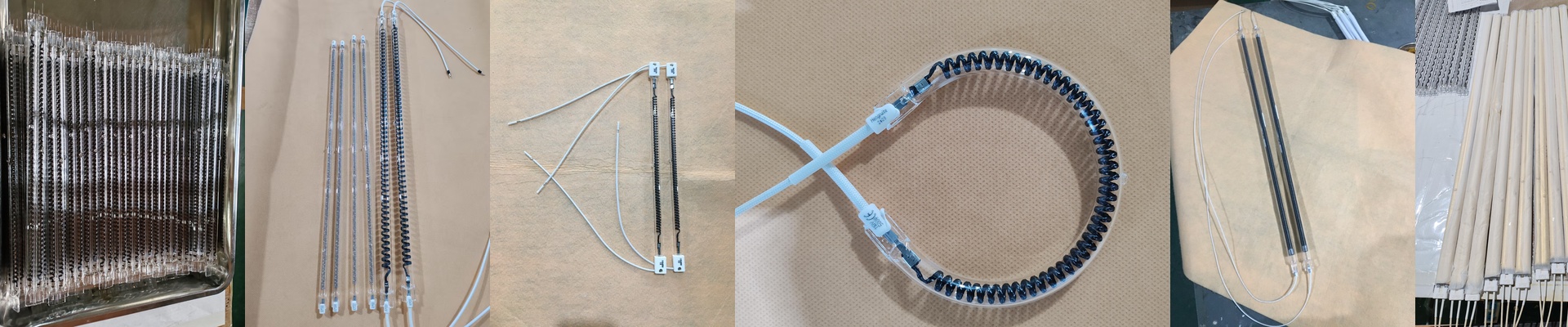
Inside the high-purity quartz glass, there’s a carbon fiber core. It handles high heat much better than tungsten does, which means the lamps last longer even when you’re cycling them on and off all day. Plus, the SK15 connector keeps the electrical contact tight, so you don’t have to worry about arcing at the terminals. But here is the real win: the way the heat moves. Shortwave emitters dive deep into the paint. Instead of drying the top layer first—which traps solvents underneath and creates that annoying “skinning” effect—these lamps cure the coating from thebottom up.
Making it Work in Your Shop
For most curing tunnels, these are just drop-in replacements for old halogen systems. You’ll notice your curing window shrinks, which means you can push more parts through the line. But there is a catch. Because these lamps are so intense, you have to be careful with your spacing. If the lamp is too close to the part, you’re going to burn the paint. You’ll need to spend a little time dialing in your conveyor speed and the height of the lamps to get that sweet spot.