
Getting the Heat Right: Why We Use Ruby Quartz Carbon Fiber Lamps for Bikes
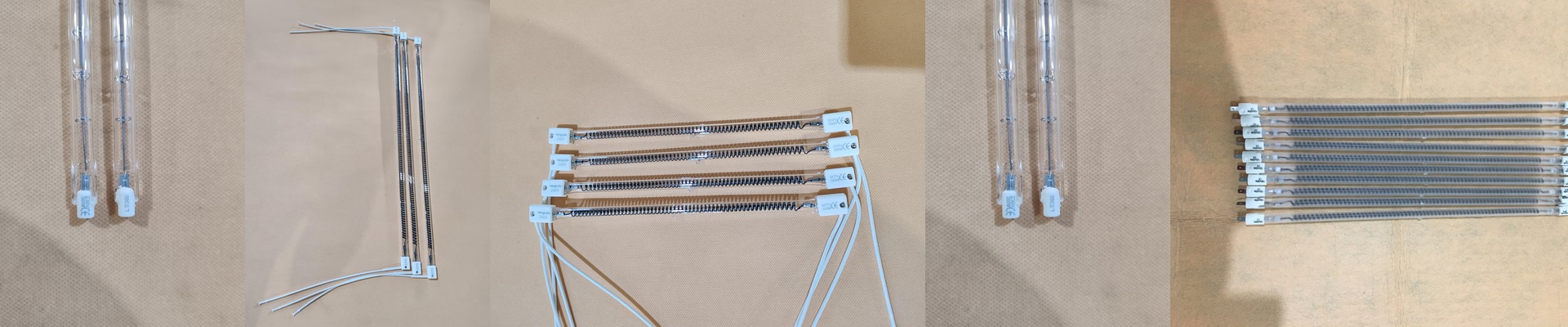
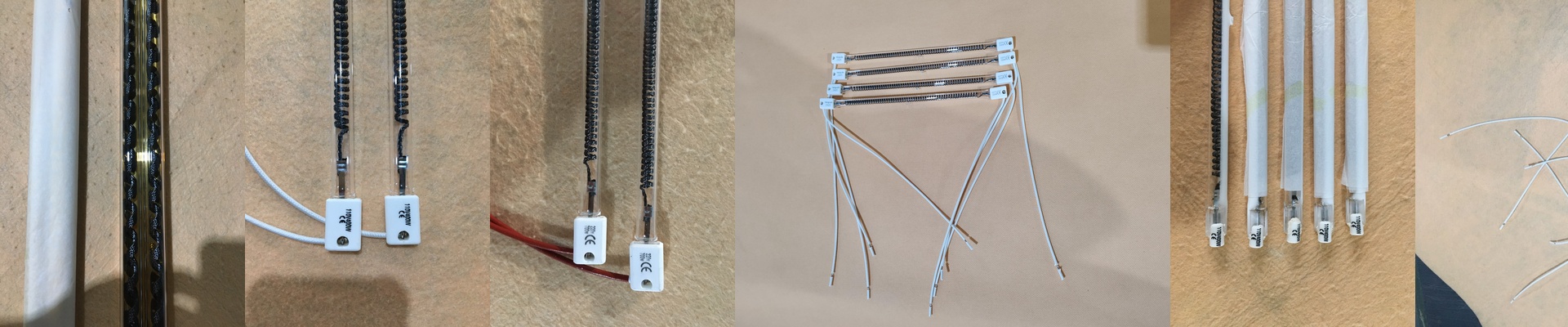
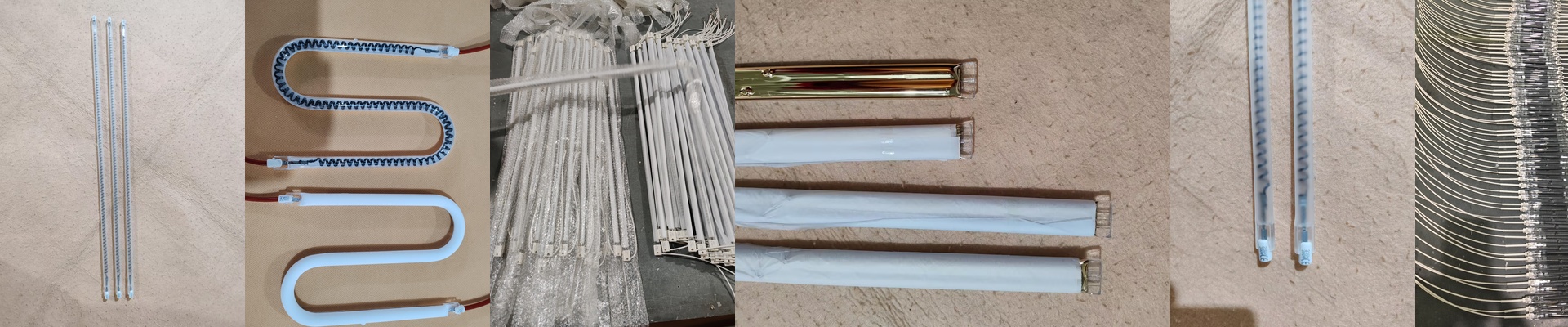
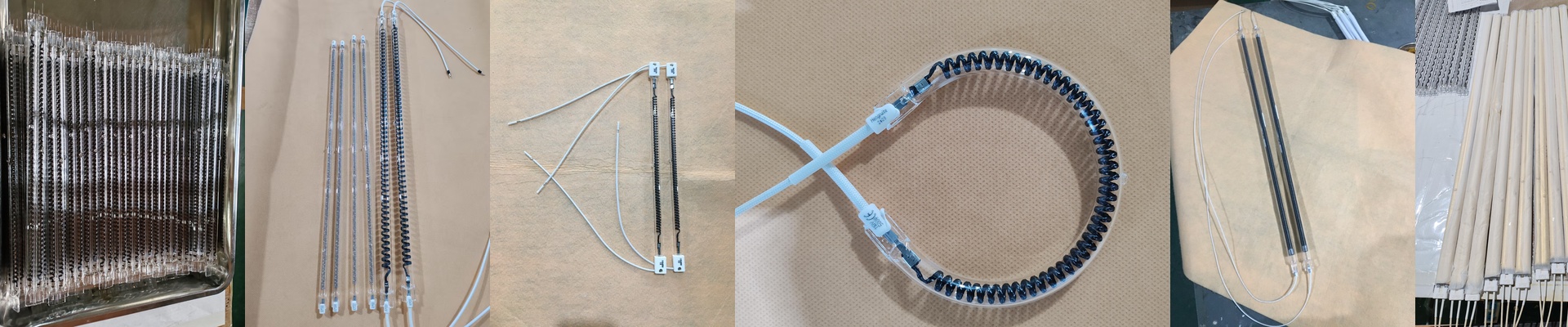
Standard halogen tubes just can’t hack it when things get really hot. That’s why we build these ruby quartz carbon fiber lamps. They’re designed for those tough spots where you need serious heat, but you need it to actually last. Basically, we take a carbon fiber heating element and wrap it in a ruby-coated quartz shell. This does two things: it pushes the heat exactly where it needs to go and keeps the filament safe from the grit and grime of the road.
The Deal with Thermal Output
Carbon fiber doesn’t act like those old metal coils. Instead of getting a few dangerously hot spots that eventually burn out, the heat spreads evenly across the whole tube. When we set these up for things like grip warmers or pre-heating an engine block, we’re careful with the wattage. You want it to heat up fast—because nobody likes waiting in the cold—but not so fast that you melt your plastic housings. **One big warning:**Your power supply has to be spot on. If you push too much voltage through, that carbon fiber filament will snap instantly. Just like that. Gone.
Why Ruby Quartz?
The red tint isn’t just for looks. That ruby coating filters the light and cranks up the emissivity. In plain English? More heat hits the target and less light wastes away. We use high-purity quartz because it’s tough. Think about a freezing cold bike frame hitting a scorching hot lamp. Most glass would shatter. This stuff doesn’t.
A Few Tips for the Install
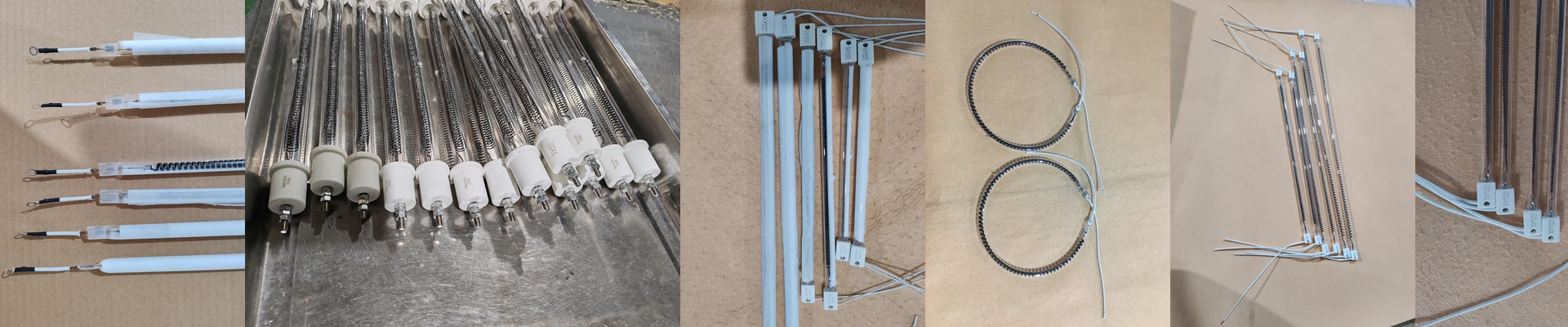
Wiring these in takes a bit of a steady hand. The connections are a little touchy when it comes to physical stress. Since motorcycles vibrate—a lot—I highly recommend using reinforced leads. You don’t want your terminals shaking loose halfway through a ride. Also, keep in mind that ruby quartz gets hotter on the surface than the standard carbon versions. You’ll need heat-resistant insulators for your mounting brackets. **Be careful where you put them.**If they’re too close to your rubber seals or fuel lines, you’re going to have a bad time. Just find that sweet spot where the heat reaches the target without cooking everything around it.