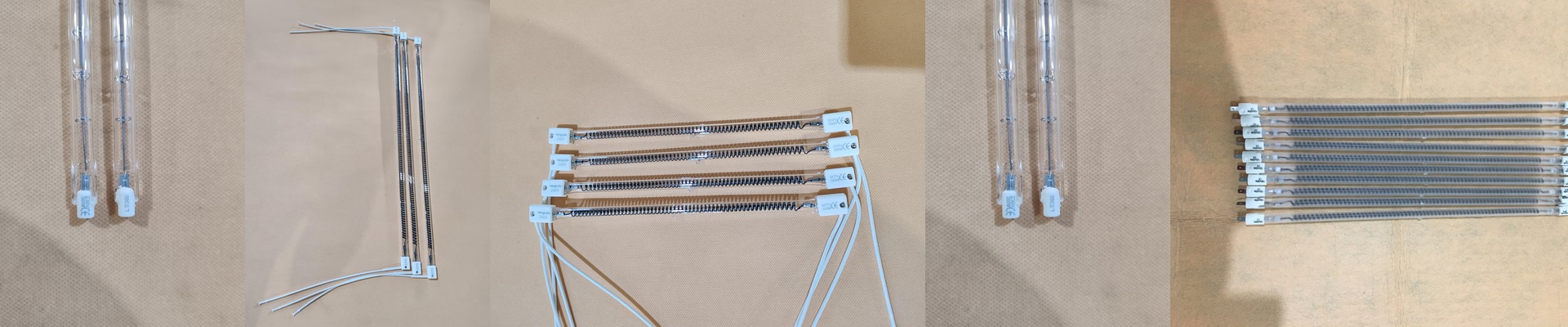

Carbon Fiber Infrared Quartz Tube Heat Lamps: The Edge Your Printing Machine Needs
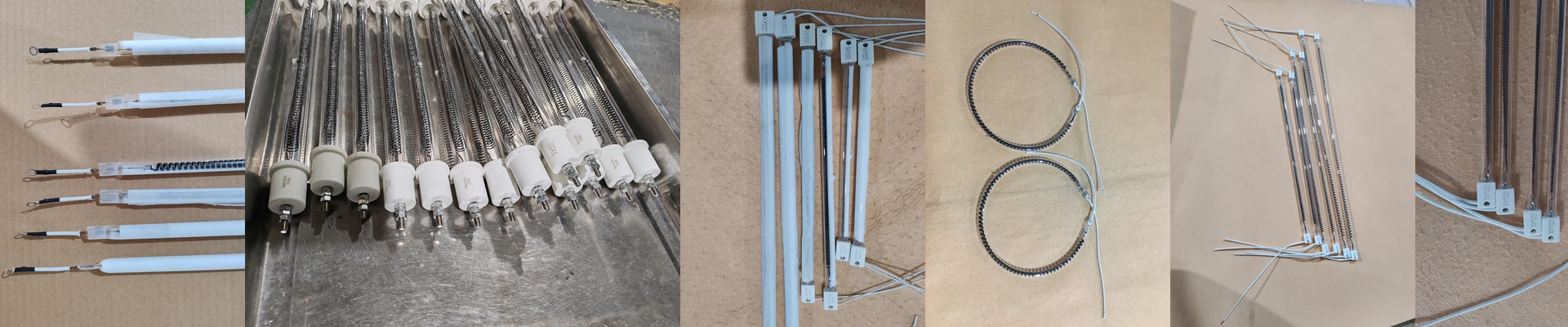
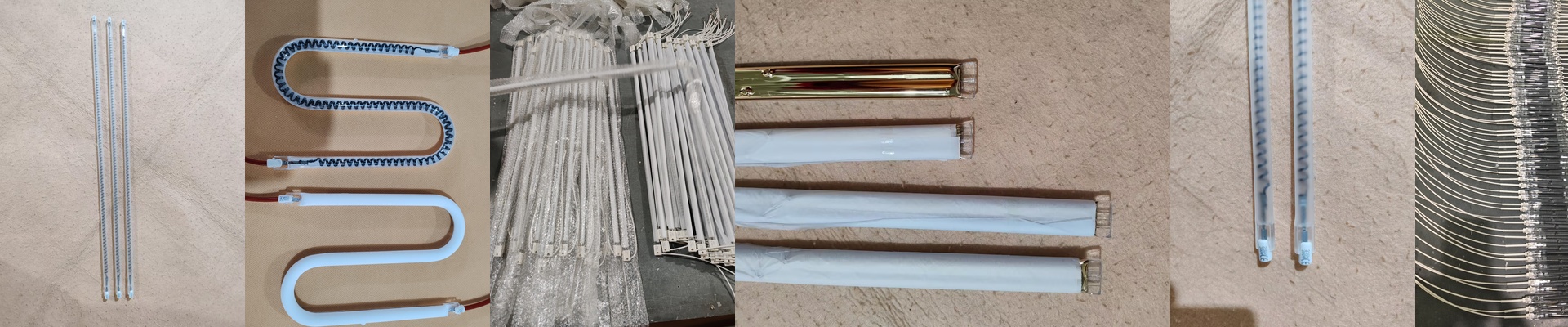
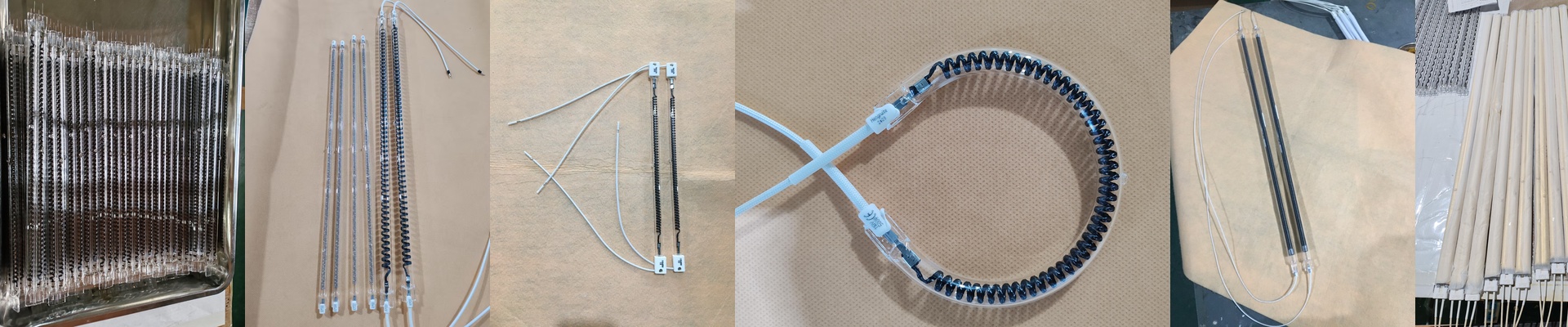
Let’s talk about a piece of gear that doesn’t mess around—our carbon fiber infrared quartz tube heat lamp. We built it specifically for the tough, fast world of printing machines. This isn’t some off-the-shelf heater. It’s a focused thermal tool, engineered to deliver quick, precise heat exactly where your press line needs it.
Power and size, matched to the job
At the heart of this lamp is serious short-wave infrared power, usually hitting 2500W. That kind of punch is exactly what it takes to dry inks and cure coatings fast—without making your production line wait around. The tube is 300mm long, giving you a heating footprint that lines up cleanly with standard print zones. And we run these at 400V. That higher voltage packs the power into a compact size. The trade-off is real, though: your machine’s electrical setup and thermal management need to be ready for the concentrated heat.
Why the materials matter
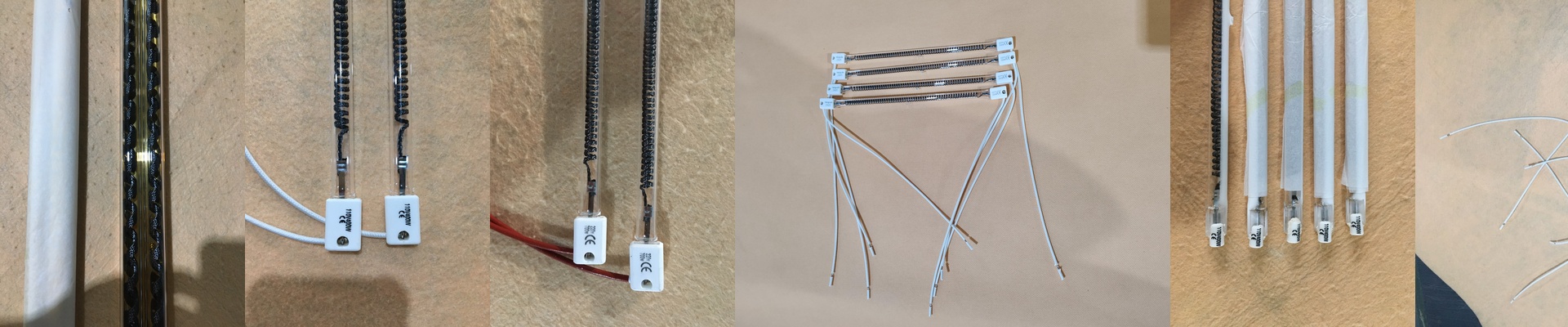
The quartz tube isn’t just a shell—it’s part of the performance. It handles the extreme heat from the element and keeps light transmission around 95%, so the infrared energy blasts through cleanly. Inside, we use a carbon fiber filament instead of traditional tungsten. The payoff? Longer life and a quicker ramp-up. And the R7s connector is standard for this form factor. It gives you a solid, double-ended electrical connection that can handle high current without getting hot under pressure.
Real-world wins on the shop floor
On a printing machine, this lamp is a straightforward swap that fixes two big headaches. It heats up fast, so your machine spends less time warming up and more time running. And the focused infrared energy dries ink almost instantly—so you cut down on smudging and keep print quality strong, even when you’re pushing line speed. The carbon fiber element is built to take the heat cycles of frequent start-stop work far better than standard halogen lamps. For you, that means fewer replacements, less downtime, and more consistent output. Plus, the design is simple to wire and integrate, so maintenance stays straightforward. No fuss. Just reliable heat, exactly when you need it.