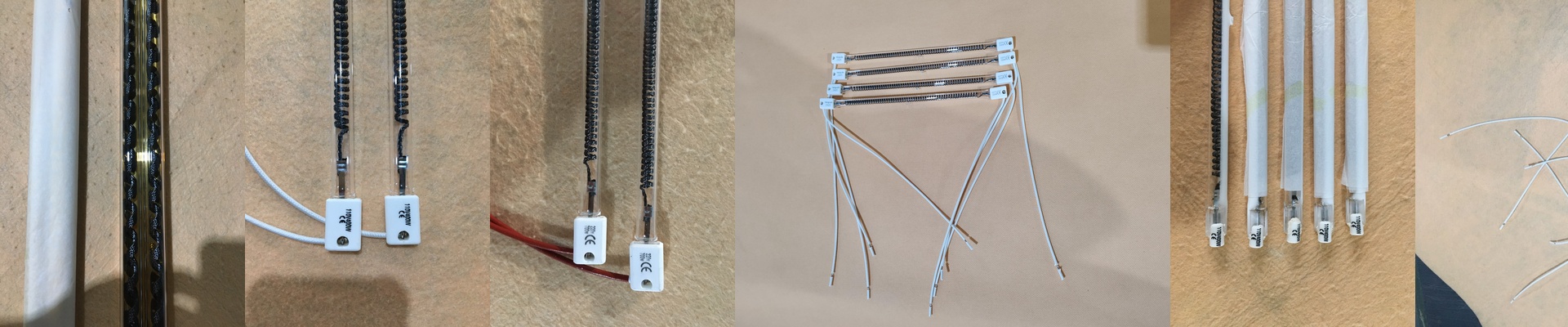
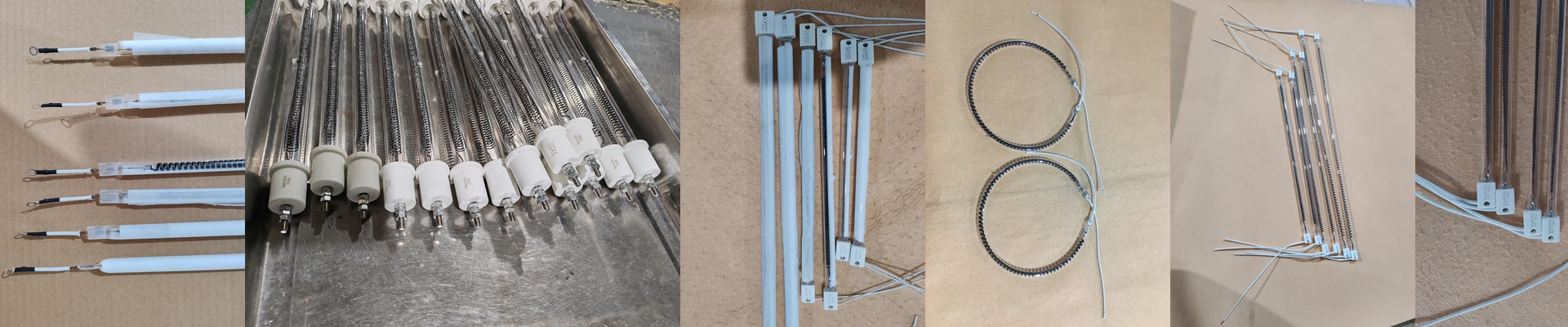
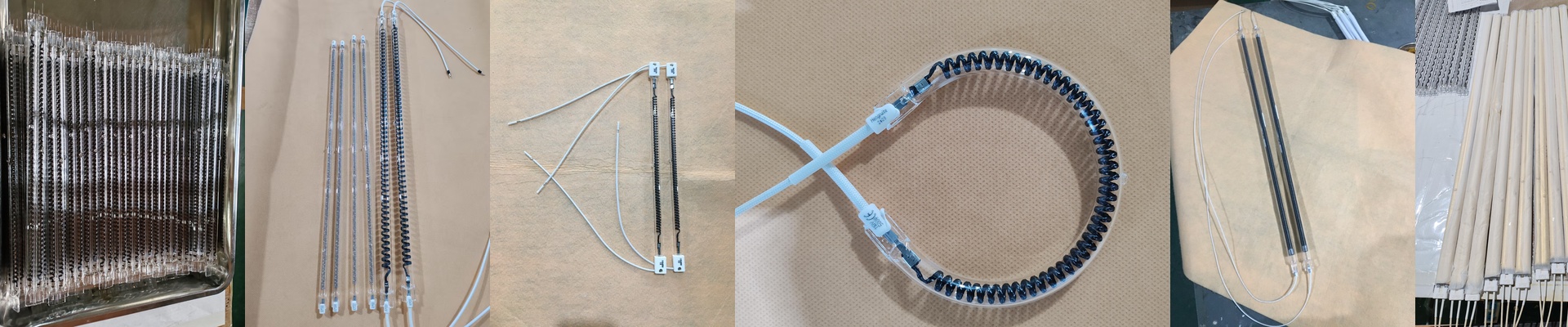
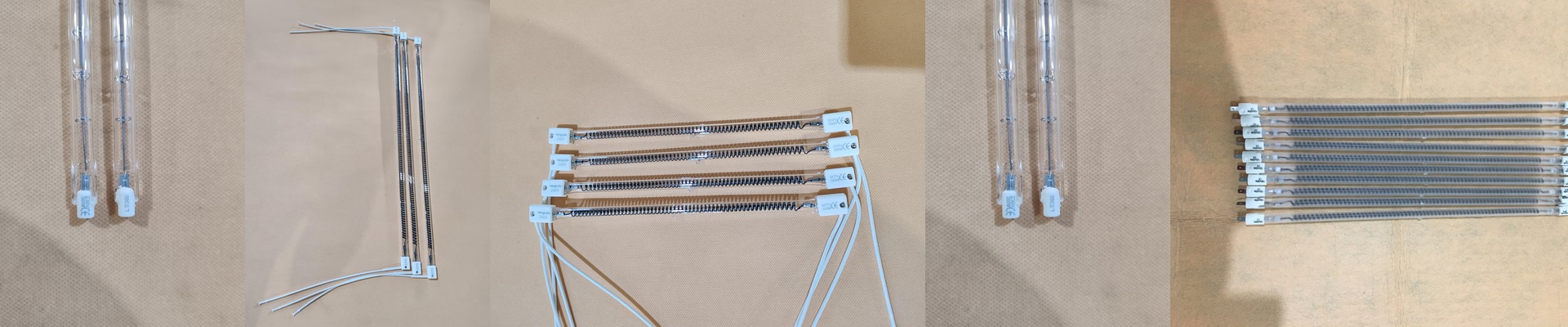
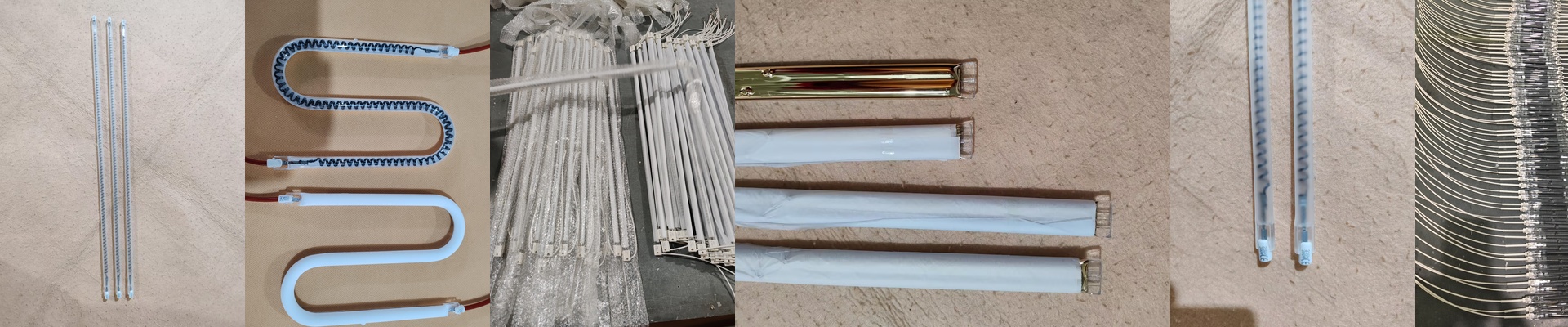

The 660mm 220V 1000W Quartz Carbon Heat Lamp: Built for the Grind
Let’s cut to the chase. This 660mm, 220V, 1000W quartz carbon heat lamp wasn’t designed for show. It was built for one thing: getting industrial jobs done. We made it to deliver a hard-hitting blast of focused infrared heat, all packed into a tidy package. Think of it as your workhorse for heating, drying, and curing.
Why the Specs Matter (Without the Fluff)
Here’s the thing about the 1000W power on a 220V circuit. It’s not just a number. It’s about giving you serious heat without tripping your plant’s electrical system. The payoff? A rapid temperature climb. That means less time waiting around for your equipment to get hot and more time actually working. And the 660mm length? It’s deliberate. That size gives you the exact radiating surface you need for a predictable heat pattern over a specific area. So you can match the lamp to your process, not the other way around.
What’s Inside, and Why It Works
The quartz envelope is tough. It can handle scorching temperatures and the shock of turning on and off without cracking. No drama, just durability. Inside, the carbon filament throws off a broad infrared spectrum. It doesn’t just heat the surface; it gets deep inside the material. You get that thorough, from-the-inside-out warmth that makes a real difference. The R7s double-ended connector is a simple, smart choice. It holds tight, makes a solid connection, and swapping out a lamp is a breeze. It just drops right into the fixtures you probably already have, so setup and maintenance are straightforward.
Where It Shines (And How to Get the Best Results)
Need to pre-heat a mold fast? Dry a coating? Cure an adhesive? This is your lamp. The 1000W output means you get a powerful, concentrated heat flux. But with that kind of intensity comes higher surface temps. So, yes, you’ll feel more ambient heat around the fixture. Plan your mounting distance and make sure you have good ventilation. And for the cleanest results, pair it with a reflector. That way, you shape the heat where you want it and keep stray warmth off the parts that don’t need it. Do that, and you’ve got a setup that’s reliable, repeatable, and ready for the daily grind.