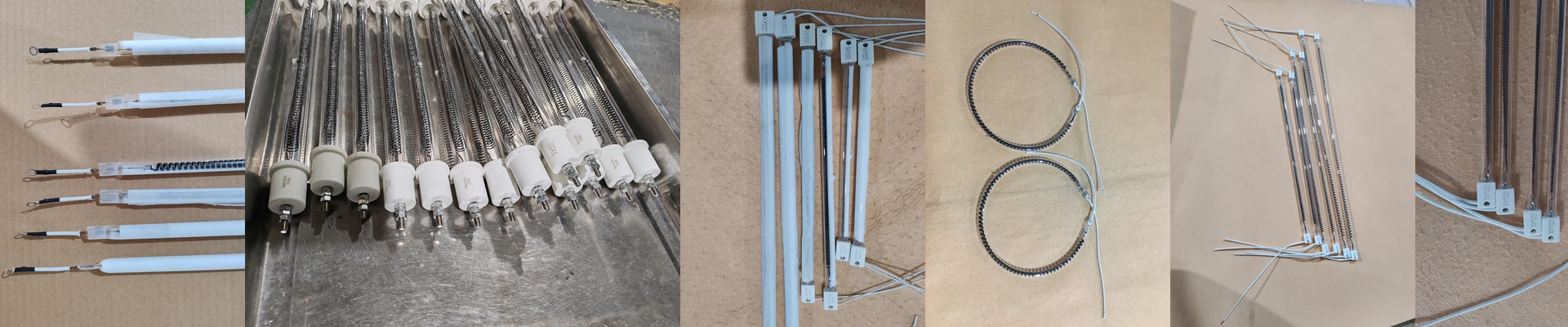
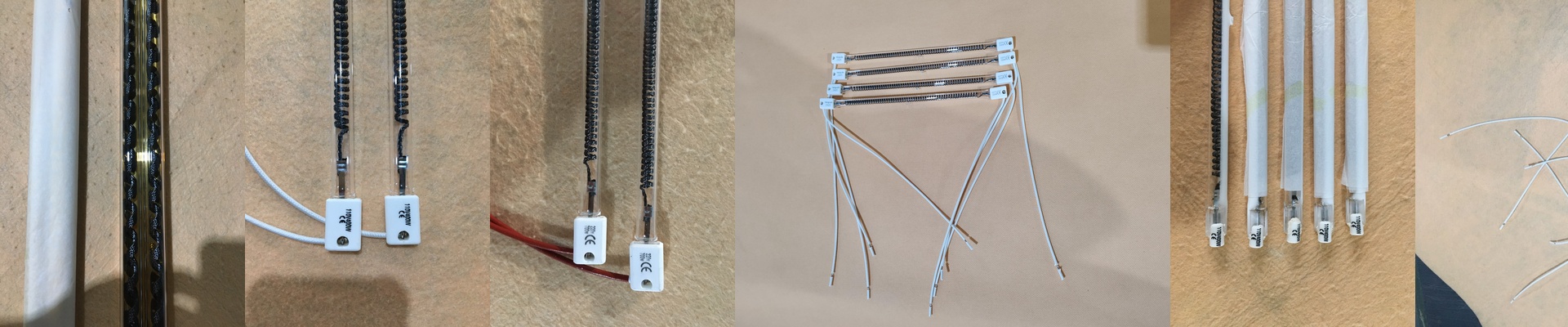
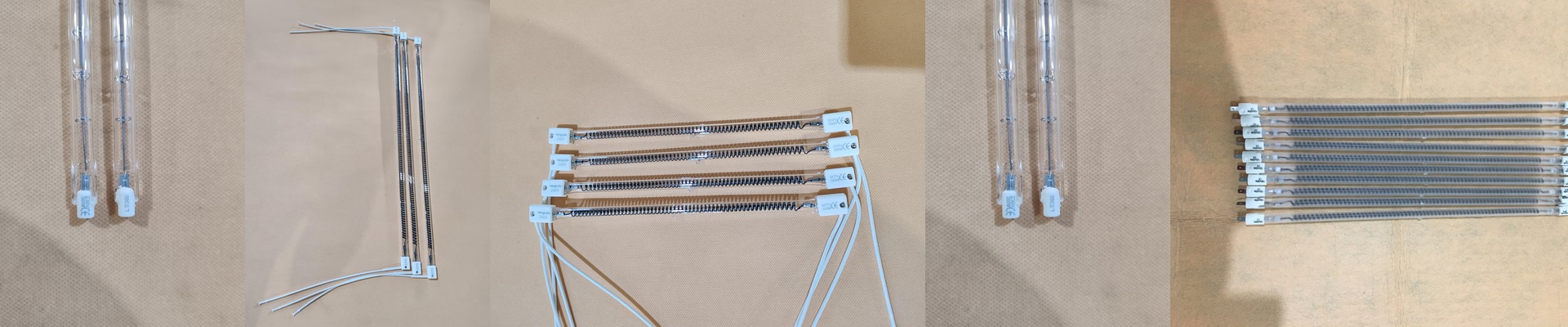
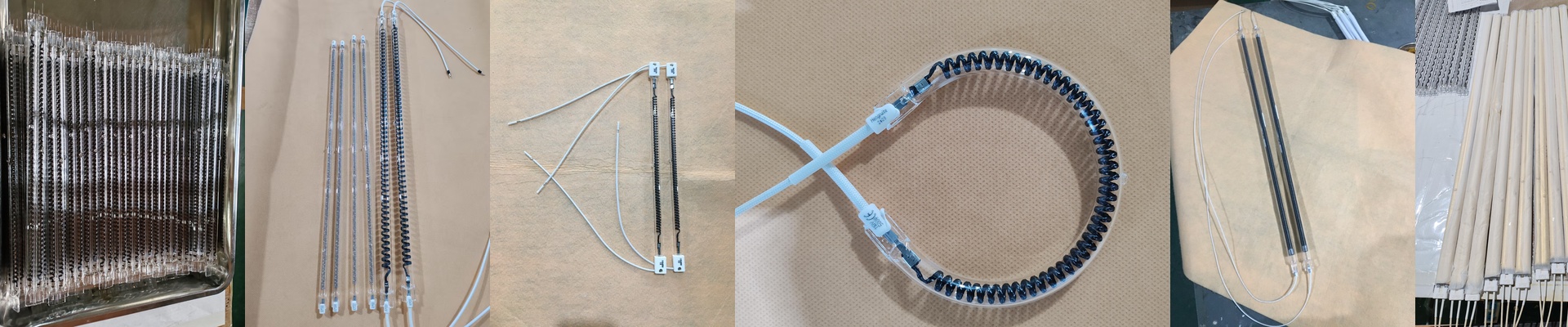
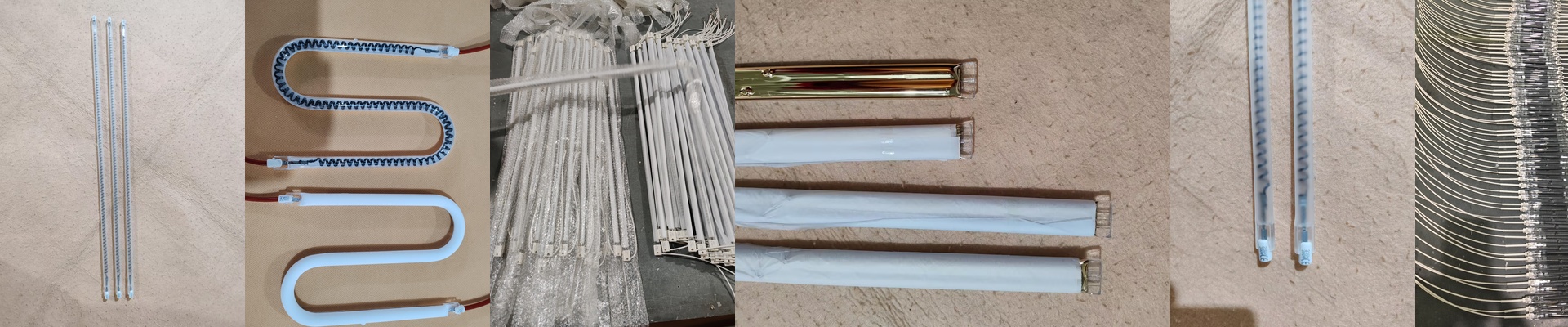
Let’s talk about our 220V 500W Carbon Fiber Heating Elements
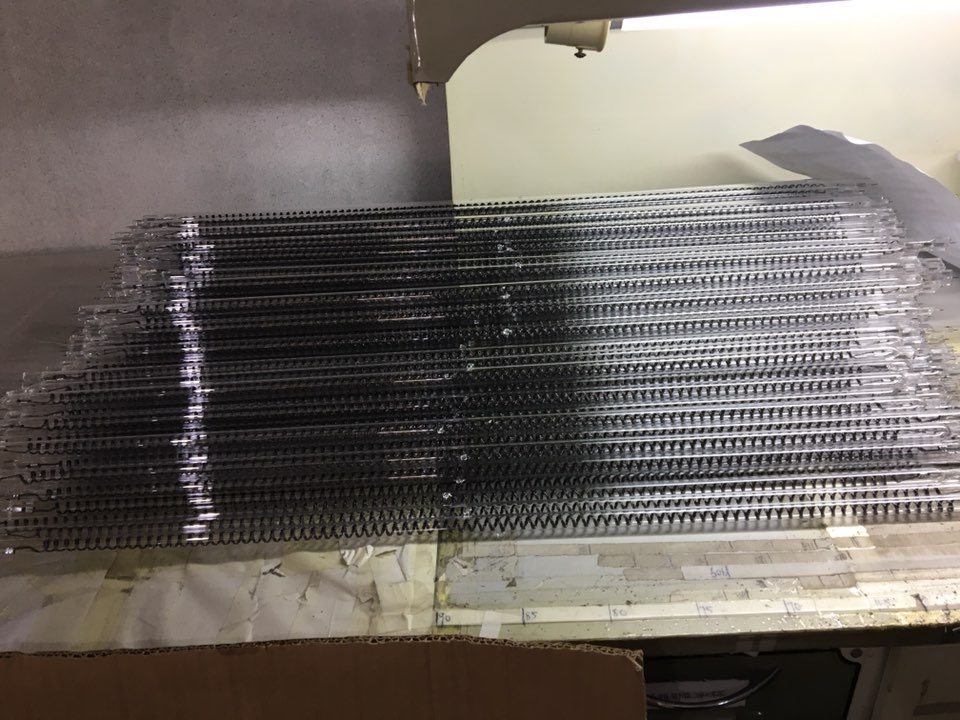
If you need heat that actually gets inside a material rather than just scorching the surface, these lamps are your best bet. We moved away from those old-school tungsten filaments and went with carbon fiber tucked inside a quartz tube. It’s a different approach, and it works.
The nitty-gritty on power
Running at 500W on a 220V circuit is a sweet spot. It gives you plenty of punch to keep your surface temperatures steady without blowing a fuse or overloading your power strips. The real win here is the carbon fiber itself. Metal expands and contracts a lot when it gets hot, which is usually why heating elements snap or burn out. Carbon fiber doesn’t do that. It stays stable. You can flip it on and off repeatedly, and it just keeps humming along.
Why “Far Infrared” actually matters
Here is the thing about heat: some of it just bounces off the surface. Short-wave lamps do that—they hit the top and stop. But Far Infrared (FIR) is different. It sinks in. That’s why you’ll find these in curing stations or drying tunnels. Since the heat moves via radiation, you don’t have to mess around with fans or moving air to get the job done. It just works.
Getting them installed (and a few warnings)
Wiring these into a 220V system is a breeze. They have a slim profile, so if you’re swapping out old halogen arrays, they should slide right in. But, a heads-up: these aren’t “instant” heaters. If you need a flash of heat in two seconds flat, this isn’t the tool for you. You’re trading that immediate burst for a deep, uniform soak. One last tip:**check your brackets.**The quartz is tough, but it can’t handle a lot of shaking. If your machine vibrates, make sure the tubes are secure, or you’re going to end up with a crack.