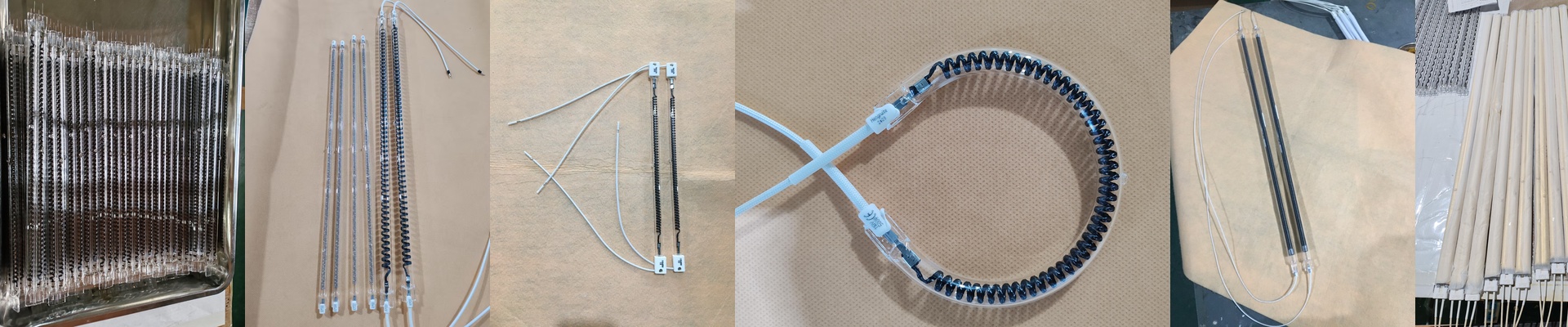
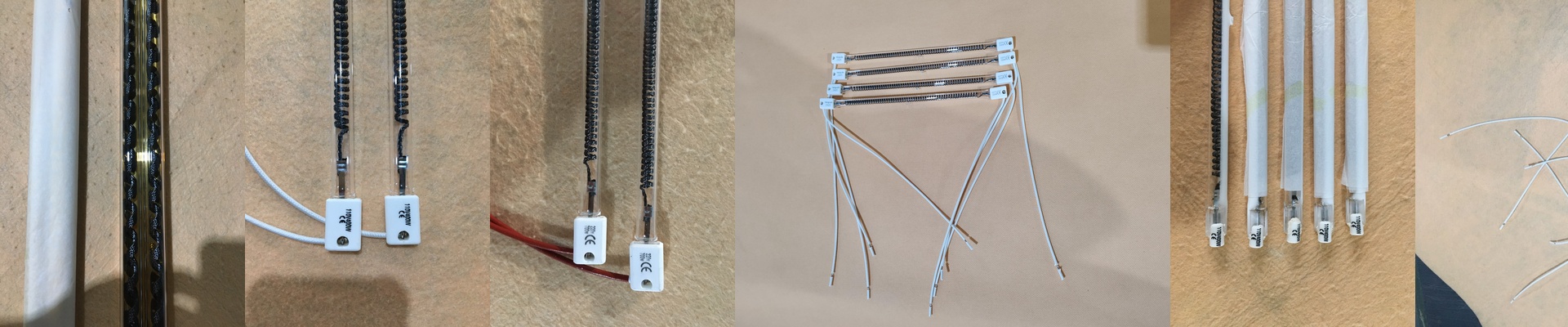
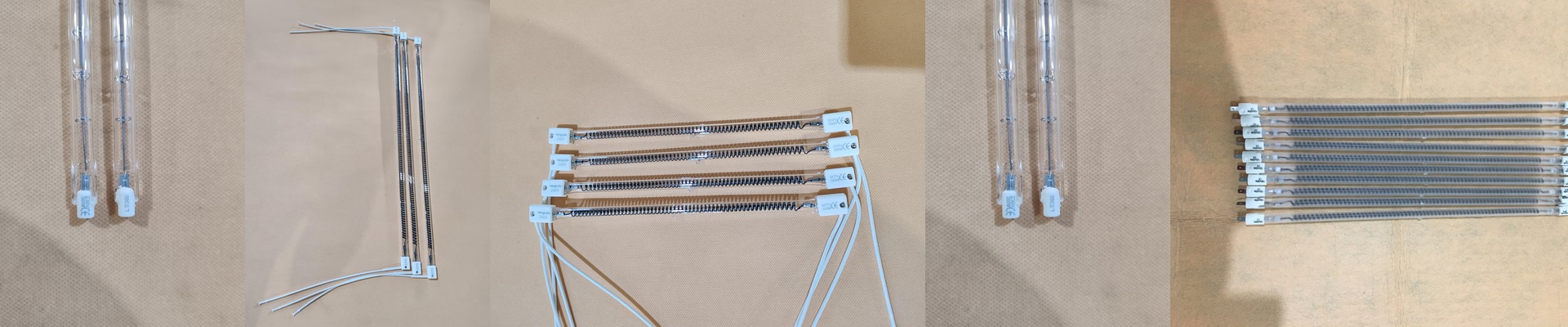
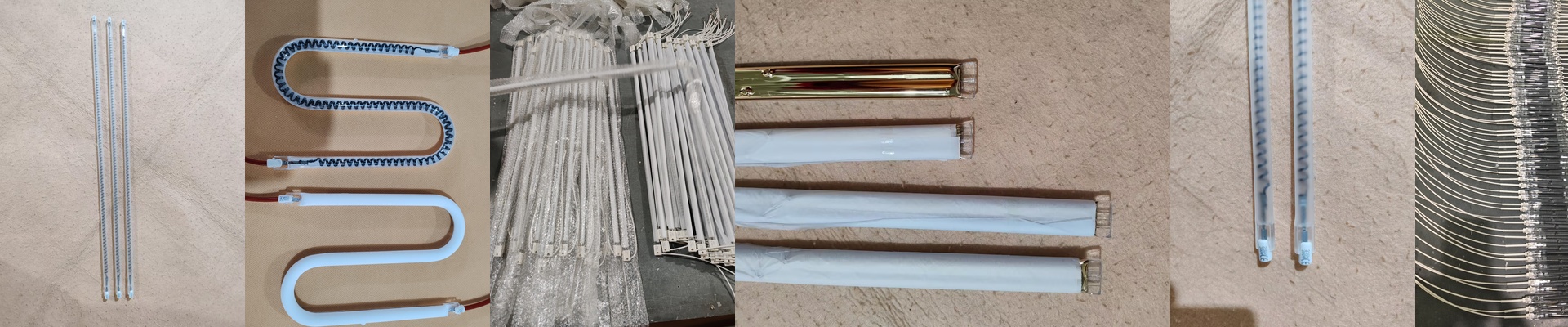
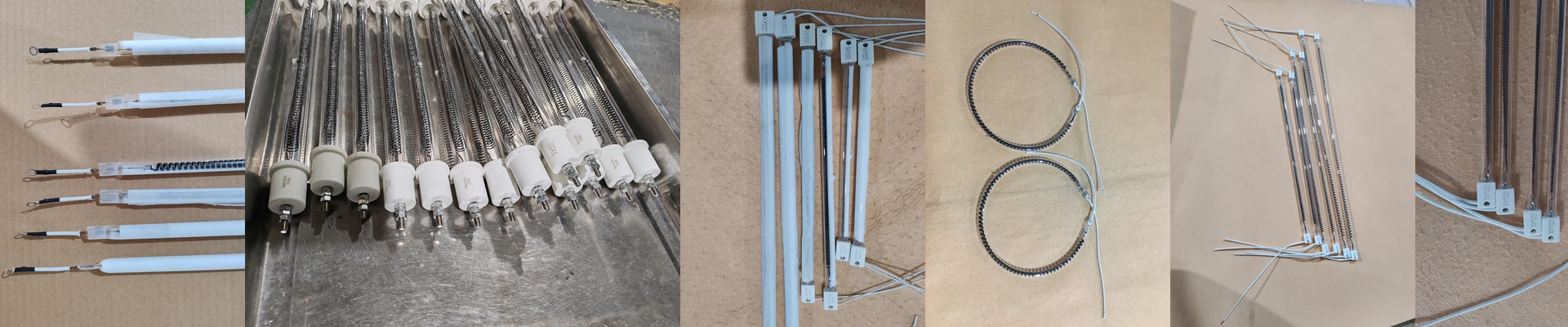

Let’s Talk About Half-White Carbon Fiber IR Lamps
If you’re trying to get heat exactly where it needs to go without melting everything else in the machine, these lamps are your best bet. Basically, we take a carbon fiber filament, put it inside a quartz tube, and then coat half of that tube in white. Now, this isn’t about aesthetics. That white coating acts like a mirror for infrared energy. It bounces the heat back or pushes it in a specific direction so you don’t end up cooking your machine’s chassis. Why carbon fiber? Most people are used to those old-school halogen tubes with the metal coils. They work, but they’re slow. Carbon fiber is different. It hits your target temperature almost instantly. And because of that “half-white” setup, you get a directional heat gradient. You can aim the heat right at your workpiece. It’s a huge relief when you’re worried about frying nearby sensors or melting your wiring. Getting the specs right When you’re planning this for a build, keep a close eye on the wattage-to-length ratio. If you cram too much wattage into a short tube, you get a lot of heat density—which is great—but it puts a lot of stress on the quartz. We can do these as custom builds or simple drop-in replacements. Just a heads-up: make sure your power supply matches the voltage exactly. If it’s off, you’ll burn through the filament way faster than you should. The honest trade-offs Here’s the thing: carbon fiber is efficient, but it’s a bit fragile. These lamps can’t handle a lot of shaking. If your machine vibrates or oscillates heavily, you’ve got to use dampened mounts, or you’re going to have a bad time. Also, remember that the white coating changes how the tube emits heat. If you’re swapping out a clear lamp for a coated one, you’ll need to tweak your PID controllers. If you don’t, you might see your temperatures overshoot the mark. Where these actually shine These are perfect for drying lines or curing processes where you need a very specific “heat footprint.” They’re a lifesaver in tight spaces where a standard full-spectrum lamp would just melt the housing.