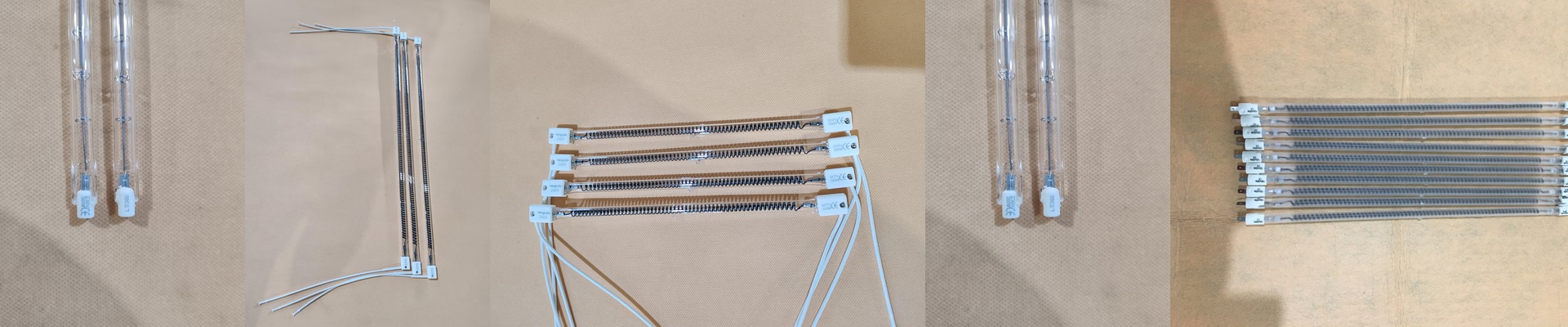
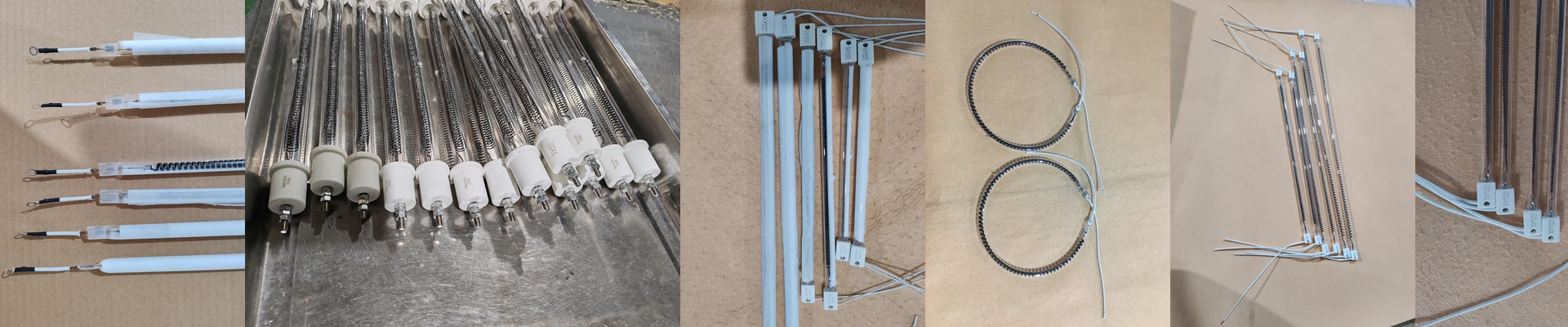
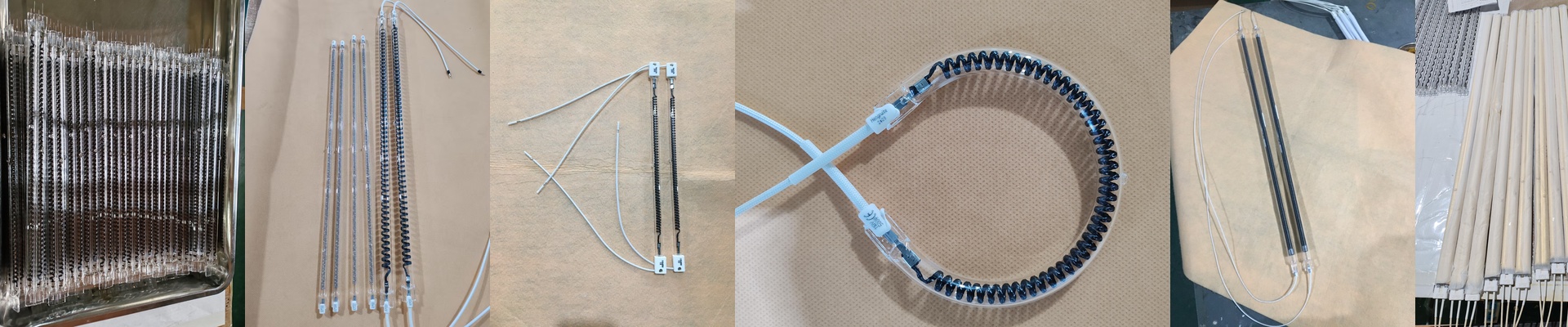
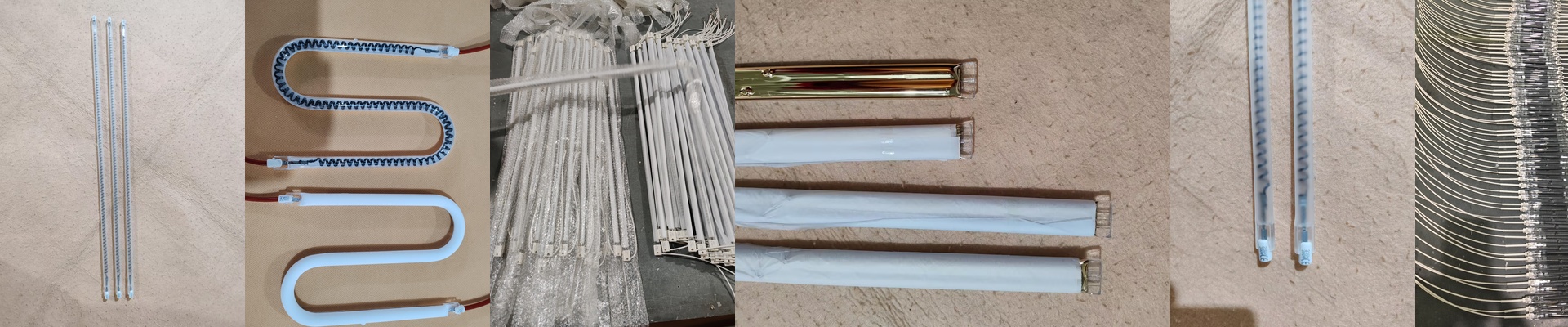
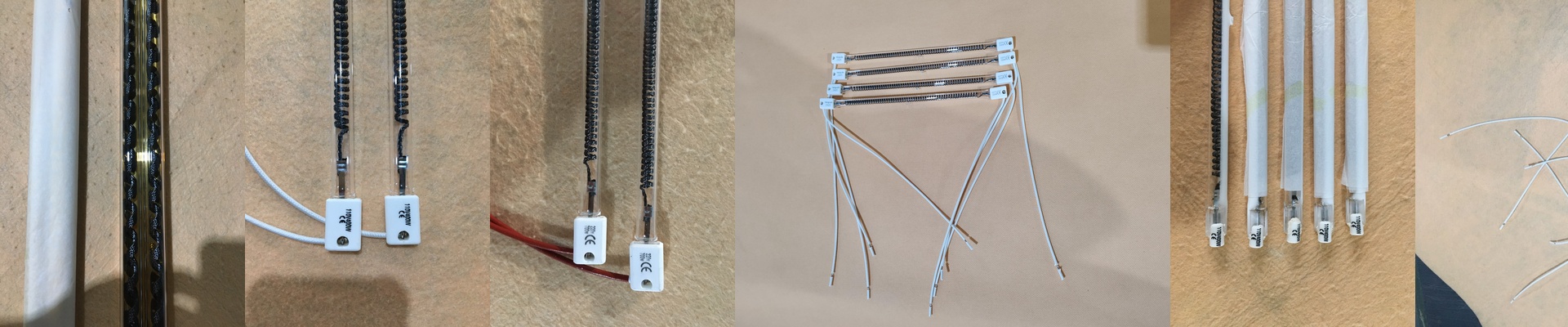

Let’s Talk About Twin Tube Carbon Fiber Heating Lamps
If you’ve ever hit a wall where a single heating element just isn’t cutting it, you know the frustration. You need more heat, and you need it in a small space. That’s exactly why we built the twin tube design. By packing two filaments into one lamp, we can cram way more infrared energy into a tiny footprint. Getting the power right Here is the thing: doubling the filaments lets us push higher wattages without blowing out the carbon fiber core. But you’ve got to be careful with your setup. If you pair a high-wattage tube with thin, undersized wiring, you’re going to run into voltage drops. It’s a pain. You’ll be sitting there wondering why your heat-up time is dragging when the lamp is supposed to be a powerhouse. Match your power supply to the voltage, or you’re just wasting time. Why carbon fiber? Most people are used to nichrome wire, but carbon fiber is a different beast. It handles the “stretch and shrink” of heating and cooling much better. This means your lamps won’t sag or burn out the moment you start rapid cycling. We wrap everything in a quartz envelope to keep the filaments from oxidizing. And if you’re working with materials that tend to bounce shortwave energy right back at you, we can add a special coating. It shifts the emission to medium-wave so the heat actually sinks in. The “Gotchas” (Read this part) Now, it’s not all magic. There are a few trade-offs. First, the connections. Whether you’re using R7s or Sk15, make sure they aretight. A loose connection isn’t just a glitch—it creates hotspots that can literally melt your socket. Then there’s the fragility. Carbon fiber is tough when it comes to heat, but it’s brittle. One bad bump or a shaky machine during installation, and you’ve cracked your filament. If your equipment vibrates, use dampened brackets. Trust me on this. And because these things put out a massive amount of heat, don’t skimp on your cooling fans. If the housing gets too hot, it’ll warp. If you’re still running those old, power-hungry halogen systems, these are a great swap. You get the same thermal punch, but your energy bill will thank you.