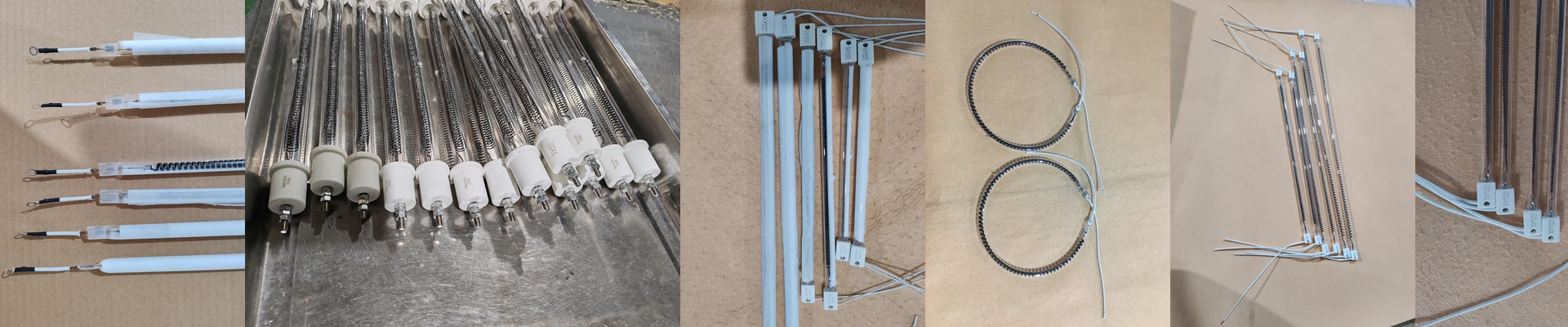

Let’s Talk Carbon Fiber Heating Tubes
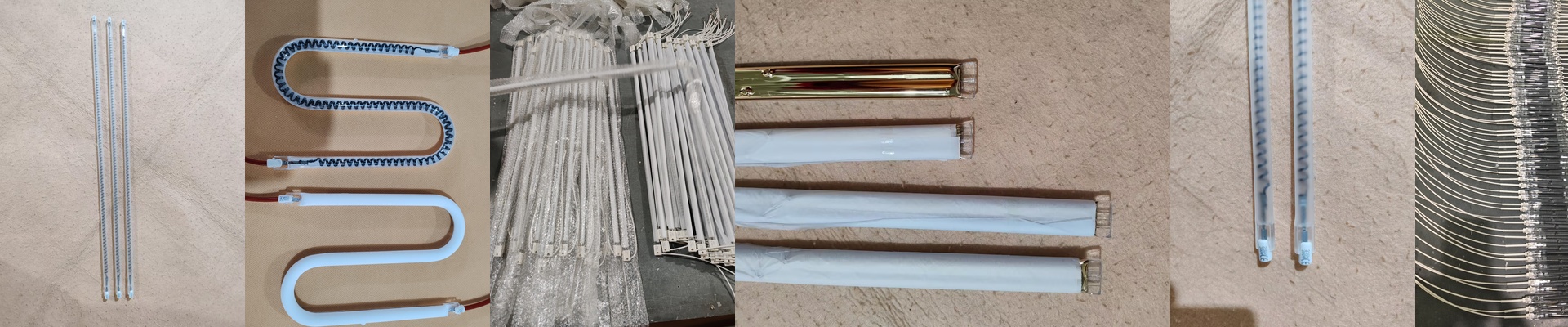
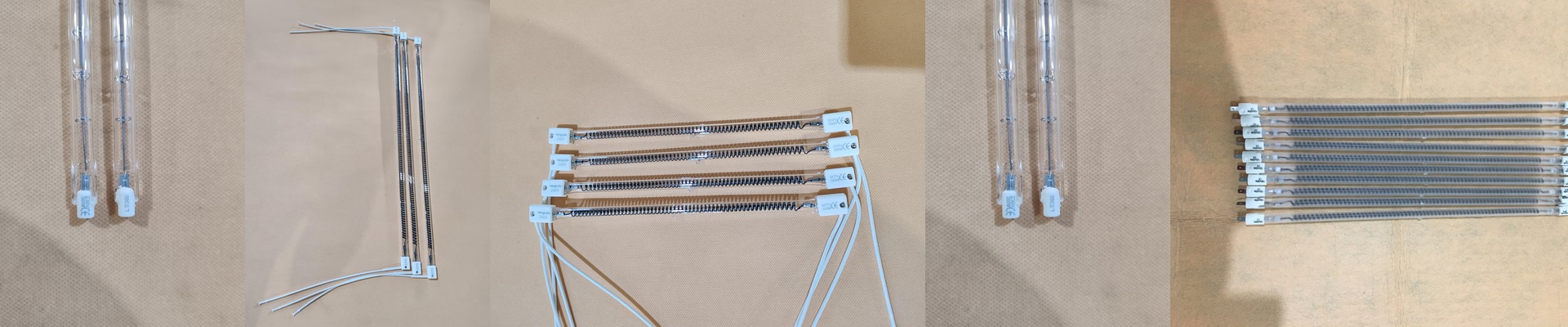
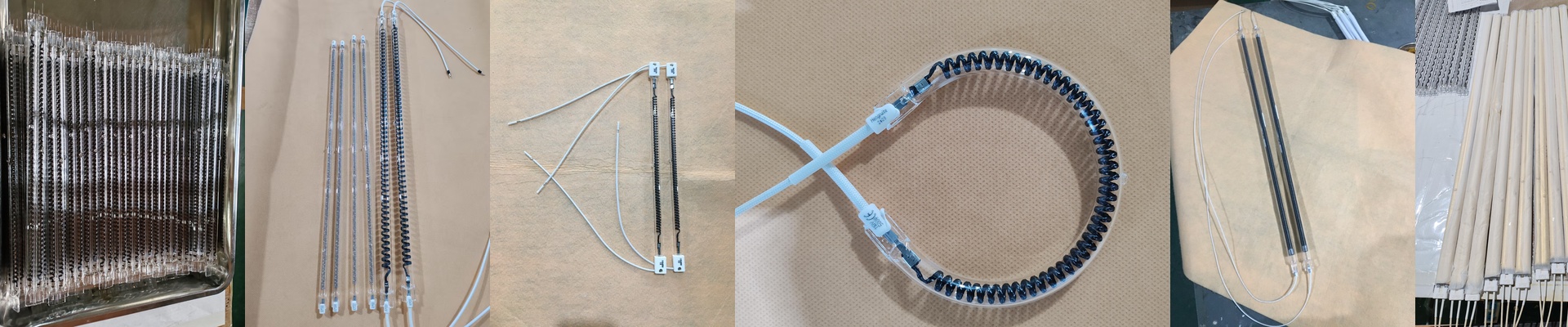
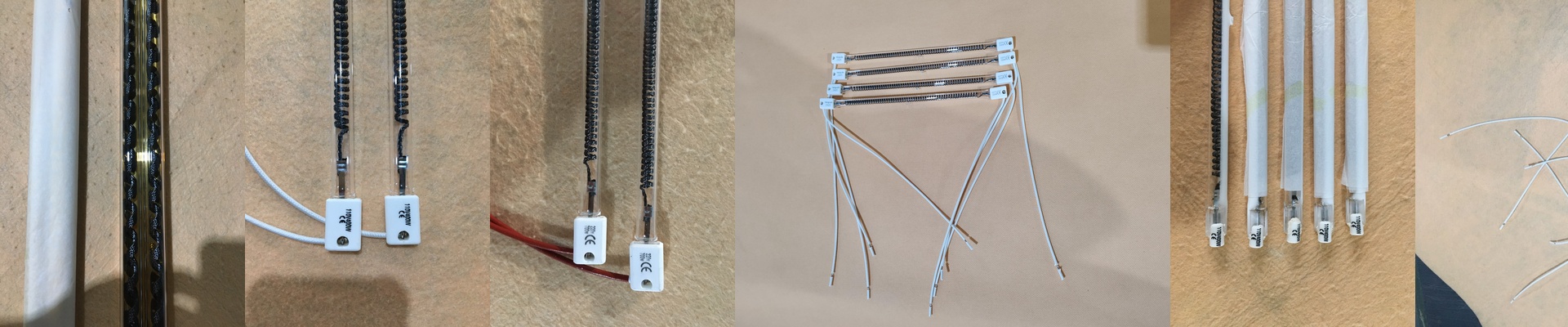
If you’re looking for a way to get intense, concentrated heat into an industrial process, carbon fiber tubes are the way to go. Instead of the usual metal coils, we use carbon fiber filaments tucked inside quartz glass. It changes the whole vibe of how the heat actually hits your project.
Getting the Power Right
When you’re picking your voltage and wattage, you’re basically deciding how fast you want things to get hot. High wattage means you can ramp up the temperature in a blink. If you go with a high-voltage setup, you get a lot more heat packed into every millimeter. This is a lifesaver for things like PET blowing or curing paint where you can’t afford to wait around. Just a heads-up: make sure your power supply can take that first big hit of current when you flip the switch. If it can’t, you’ll fry your filaments before you even get started.
The Build and the Plugs
We wrap the carbon element in quartz because it doesn’t freak out when the temperature swings wildly. Regular glass would just crack. Depending on what you’re actually heating, we can add coatings to the tube to tweak the IR waves—whether you need shortwave or medium-wave heat. As for the plugs, we usually stick with R7s or Sk15 connectors. They’re simple. They slide right into most industrial housings without a fight. You want that fit to be tight. If it’s loose, you’ll get arcing at the terminals, and before you know it, your socket is a melted mess.
Making it Work in Your Shop
The best part? These things pack a massive punch in a tiny space. You can actually shorten your conveyor lines because the heat is so efficient. But there’s a catch. Carbon fiber IR is very directional. It’s like a flashlight—it hits exactly where you point it. You’ll need to be precise with your positioning, or you’ll end up with hot spots on your parts. And since these tubes run seriously hot, don’t forget about your surroundings. Double-check your cooling fans and insulation. If you don’t, the ambient heat will start eating away at your sensors and wiring.