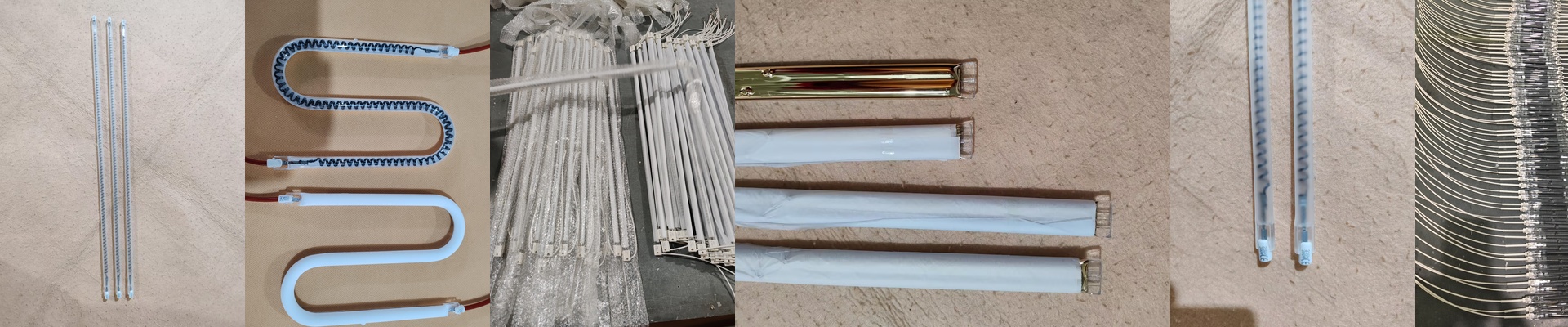

A Straight-Talk Guide to Custom Carbon Fiber Infrared Lamps
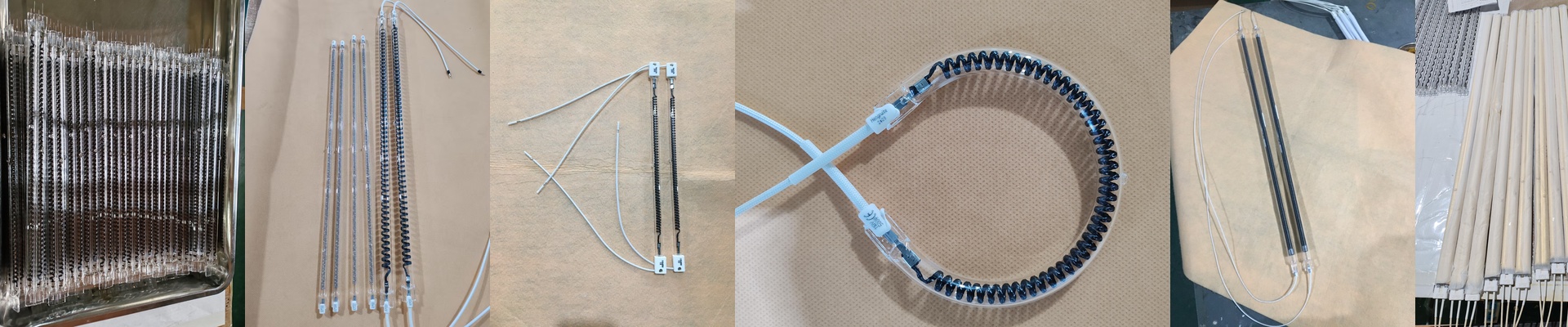
Here is the deal with carbon fiber heating lamps: they work by pushing electricity through a filament inside a quartz tube. But unlike those old-school metal coil lamps you’ve probably seen, we use carbon fiber. Why does that matter? It changes the kind of heat the lamp puts out. You get more of that medium-to-long wave infrared, which means the heat actually sinks deeper into your materials. You can get the core of your product hot without accidentally scorching the surface.
Getting the Power Right
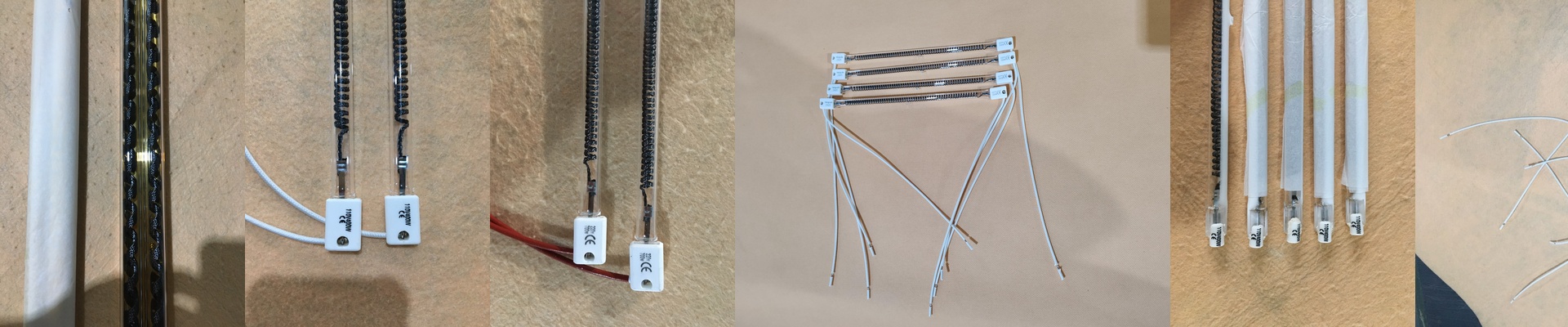
We don’t do “one size fits all” here. We build these based on exactly what your setup needs. If you’re worried about safety, we can go low-voltage. If you’re running long lines and want to keep the current draw down, we can go high-voltage. Just a heads-up: if you crank up the wattage in a short tube, you’re creating a lot of heat flux. Make sure your housing can handle that heat. If it can’t, you’re looking at warped reflectors or a tube that burns out way too soon.
The Build and the Fit
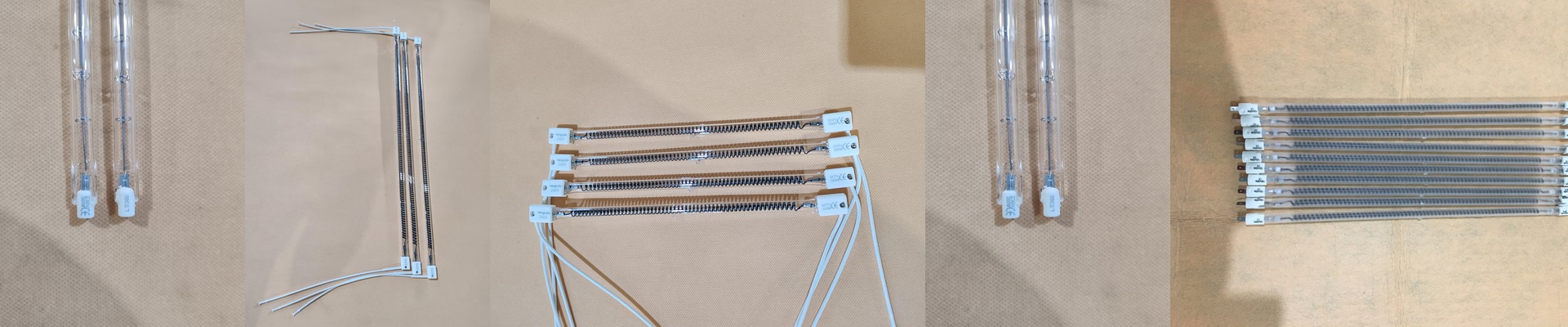
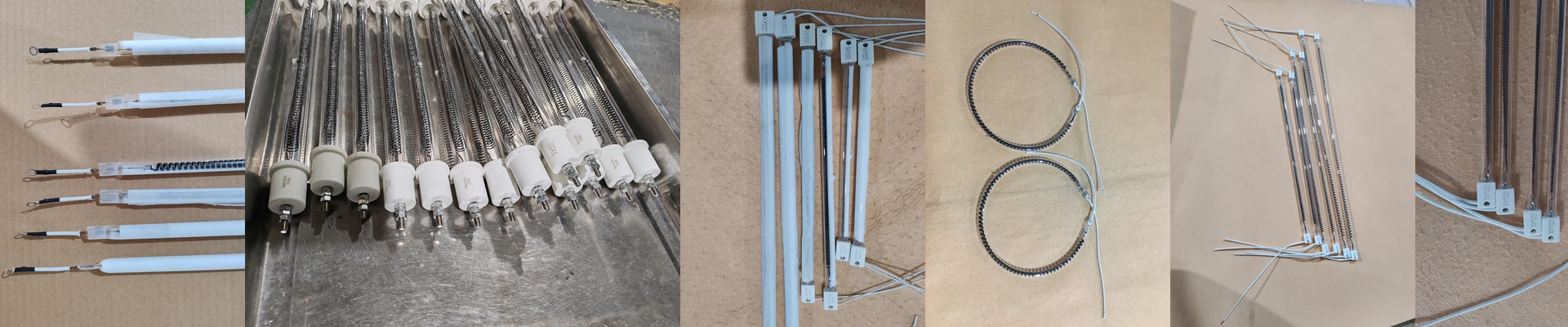
The filament lives inside high-purity quartz to keep it from oxidizing. For the messy jobs—like when you’re dealing with chemical splashes—we can add special coatings to protect the glass or tweak the wavelength. When it comes to plugging them in, we usually stick with R7s or SK15 connectors. They’re the industry standard, so they usually slide right into your industrial ovens or PET blowing machines without any fuss. But if you’ve got some weird, proprietary socket, just let us know. We can tweak the end-caps to make them fit.
Real-World Use (and the Gotchas)
The best part about these lamps is how fast they wake up. They hit their operating temperature way quicker than ceramic heaters. If you’re running a drying line or curing plastics, that speed saves you a ton of time. But there is a trade-off. Carbon fiber filaments are a bit more delicate than thick metal coils when it comes to shaking. If your machinery vibrates a lot, you can’t just bolt these in and hope for the best. You’ll need dampened mounts. Otherwise, the tubes might snap. We build these to survive the chaos of a Factory floor, but physics is physics—keep the vibration down, and your lamps will last.