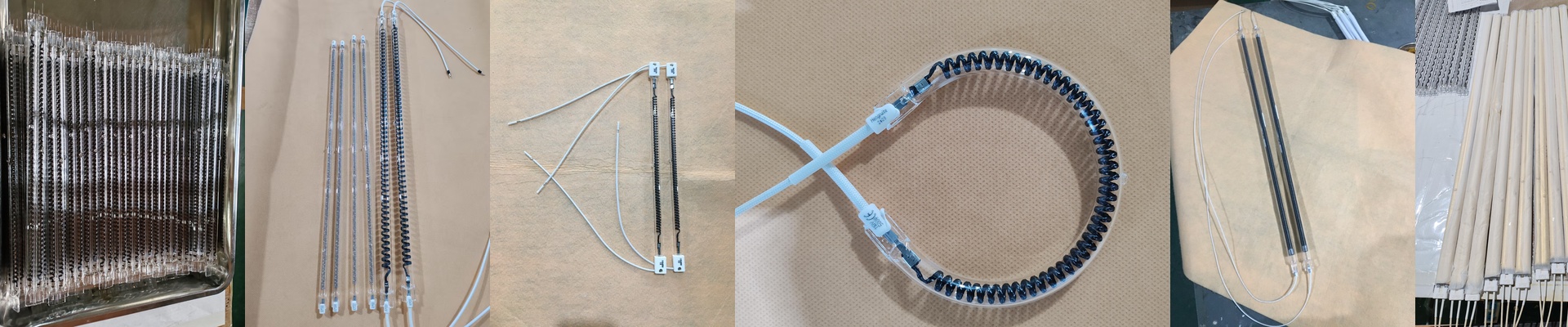

Carbon Fiber Infrared Heaters: For Paint That Cures Like It Has Someplace to Be
We built these carbon fiber infrared heaters because, honestly, the old way of curing paint was just too slow. We wanted something that could hit hard, focus the heat exactly where it’s needed, and get the job done fast. The whole point? To cure the coating completely without turning the entire part into a hot potato. You save time. You save floor space. And you save a ton of energy, too.
What’s Under the Hood: Power, Voltage, and a Very Specific Size
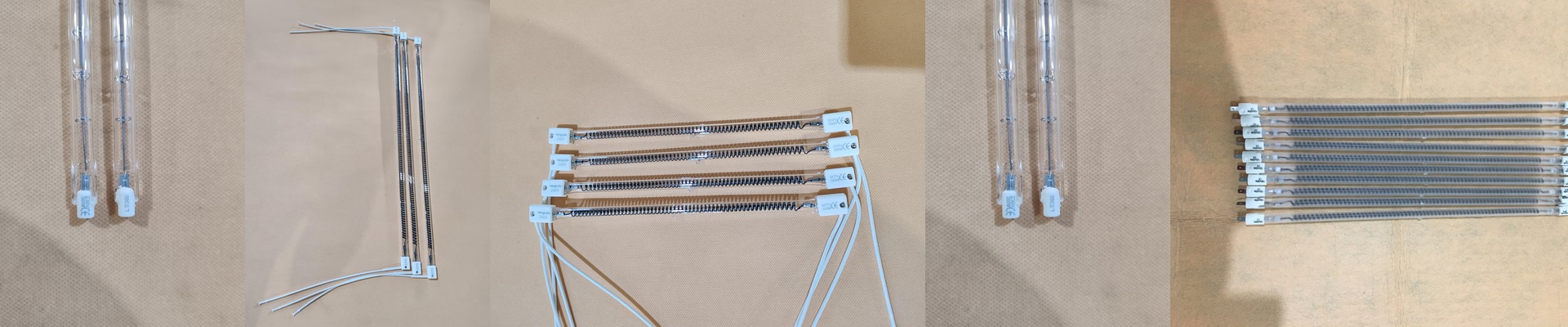
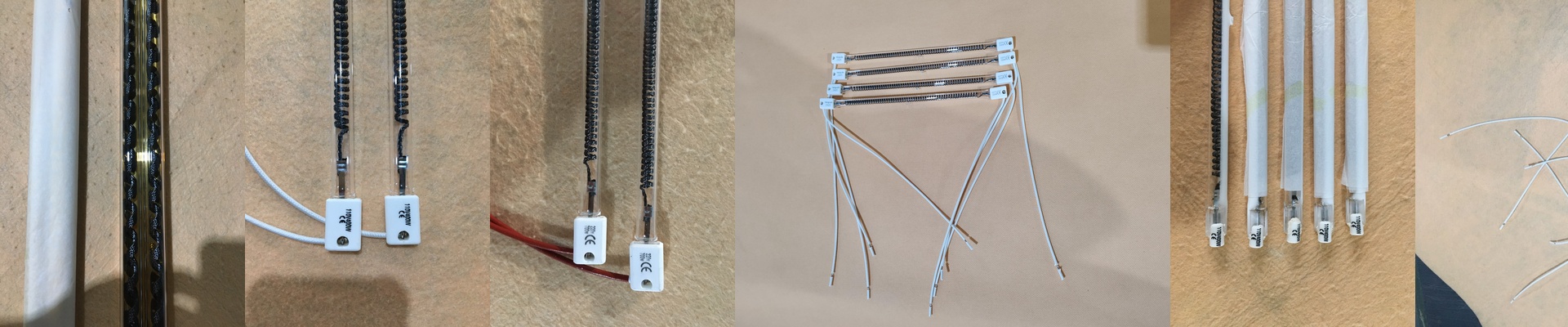
At the heart of these lamps is a high-intensity halogen element, cranking out 2500W. That kind of power is exactly what you need to generate the intense heat density required for rapid curing. We run these units on 400V. Why? Because it lets us pack all that wattage into a compact 300mm tube without overloading the circuit. Higher voltage means lower amperage for the same power, which keeps the wiring simpler, reduces stress on the contacts, and prevents voltage drop over distance. And that 300mm length isn’t random. It creates a tight, focused heating zone that perfectly matches standard curing lanes and robotic paths. The heat goes right where you need it, which means less wasted energy and less strain on your machine’s cooling system.
The Build: Halogen, Quartz, and a No-Nonsense Connection
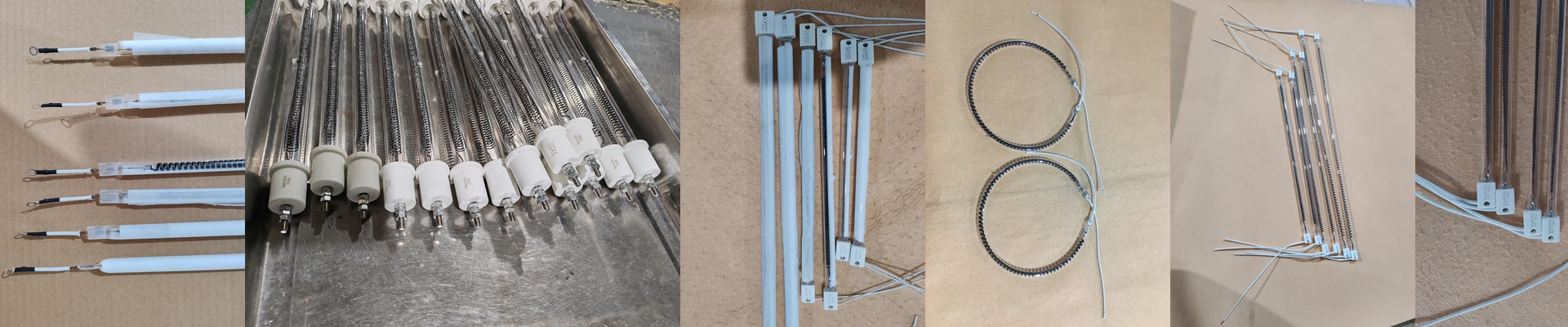
Inside, the halogen cycle keeps the tungsten filament stable within the quartz envelope. This prevents the lamp from blackening over time and keeps the output consistent for the life of the lamp. The quartz tube itself is tough enough to handle the rapid on/off cycling of a busy production line. Then there’s the R7s connector. It’s a proven industrial standard for double-ended linear lamps. It gives you a secure, aligned mount and a solid electrical connection. And the best part? The R7s base makes these lamps a simple drop-in replacement. So you can upgrade your line without having to redesign the whole machine.
What It Feels Like on the Line
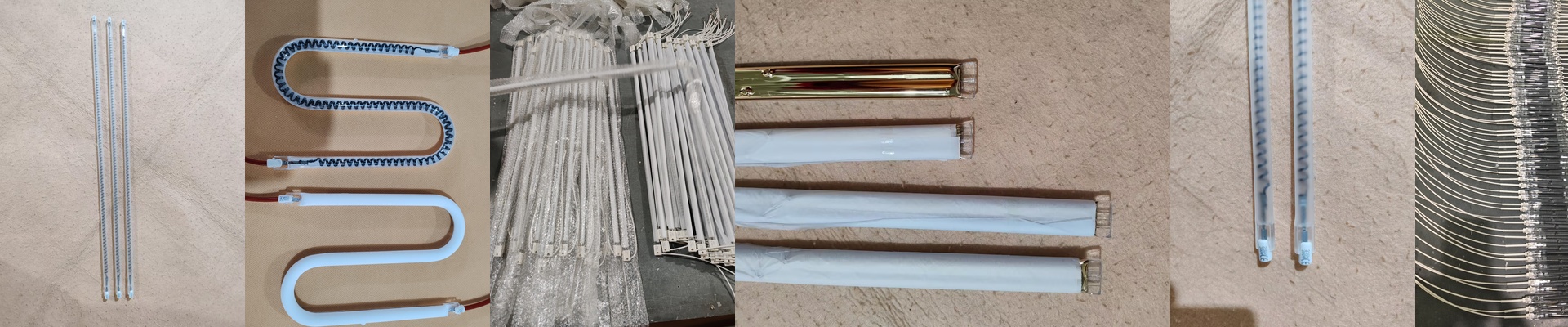
On an infrared paint curing setup, these lamps deliver energy straight into the coating, triggering cross-linking in seconds. That translates to a real advantage in line speed. The focused heat profile lets you cure complex parts without overheating the substrate, which cuts down on warping and rejects. Now, here’s the trade-off: that 2500W power in a 300mm tube generates serious heat. Your machine’s cooling system needs to be up to the task. But get the balance right, and you’ve got a repeatable, high-throughput curing process that fits in a tight space and keeps maintenance low. For you, the engineer, it means predictable cycle times, fewer rejects, and a tough lamp that can handle the nonstop pace of a 24/7 factory floor.