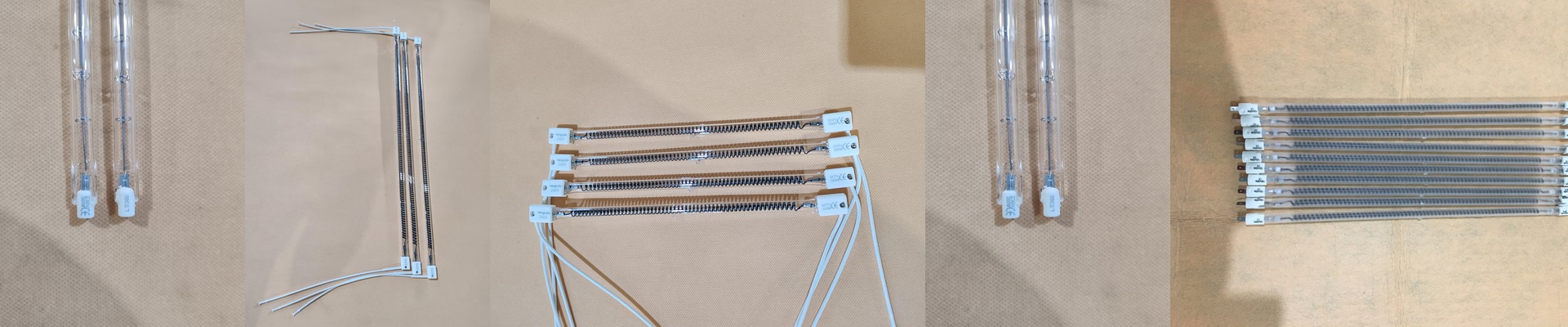

Tubular Carbon Fiber Heating Lamp: Serious Infrared Heat, Packed Tight
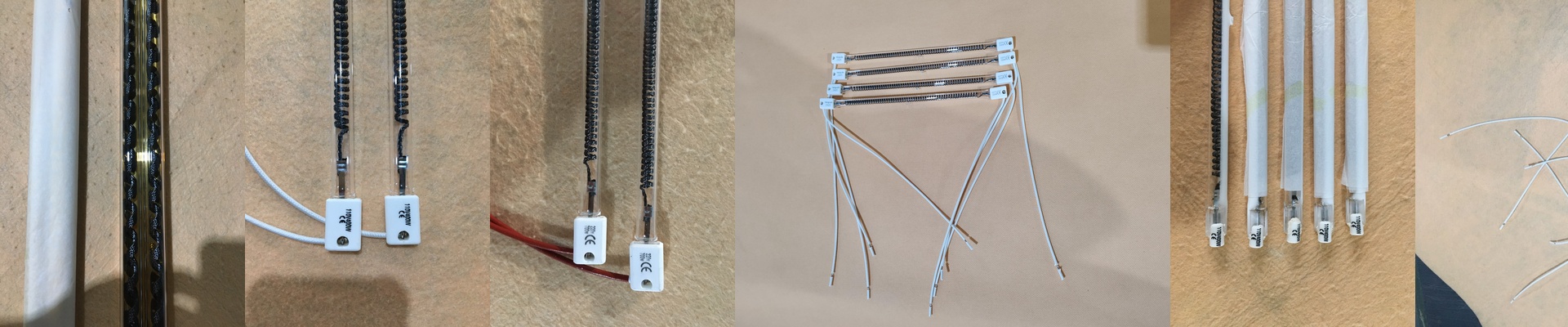
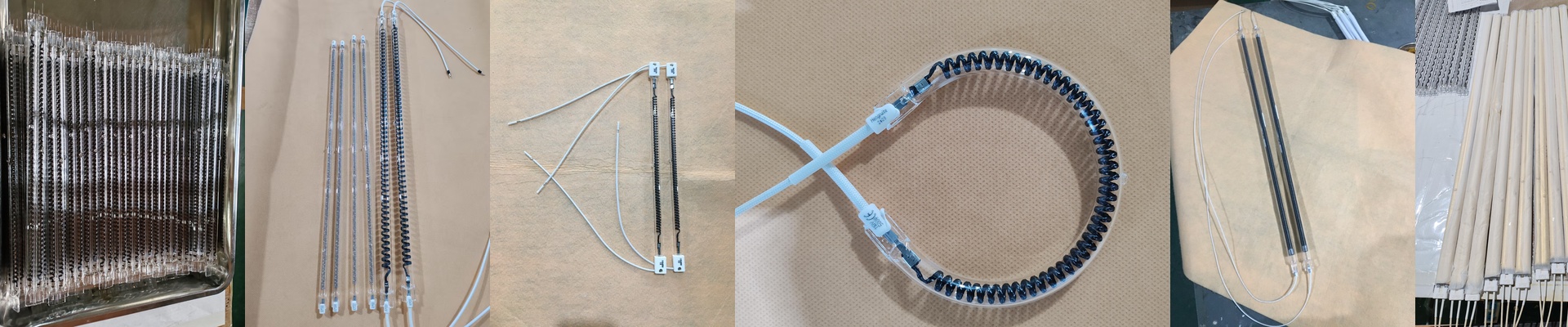
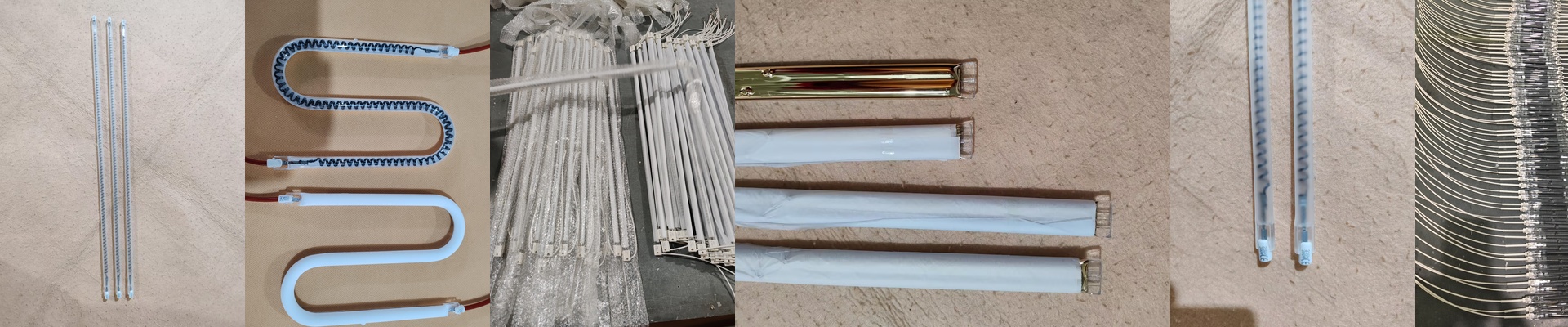
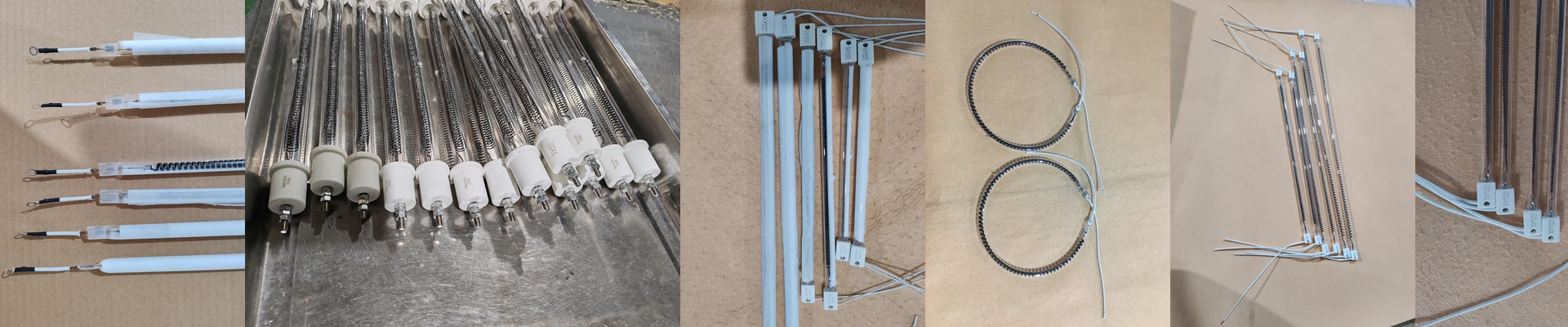
We built this tubular carbon fiber heating lamp for one reason: to give industrial machines a direct swap-in heat source that delivers intense, controllable infrared power—without taking up a ton of space. It’s not about gentle background warmth. It’s about the kind of heat you can count on when your process needs to get hot, fast, and stay stable, shift after shift.
Power, Voltage, and Size: Why It Matters
This lamp runs at2500W and 400V, and that’s intentional. The setup gives you serious heat density without forcing your system to pull huge current. Higher voltage means lower current for the same power, which lets you use smaller wiring and cuts down on losses. And with a300mm tube length, you’re concentrating all that power into a short zone. That gives you a small but intensely hot window—perfect when you’re heating a narrow area or when you need to dump energy into a part as quickly as possible. Just know: it’s designed for dedicated industrial control circuits, not your average shop outlet.
Inside the Build: Halogen, Quartz, Coating, and R7s
Inside the quartz envelope, the carbon fiber filament works in a halogen environment. That halogen chemistry does a quiet, steady job of keeping filament evaporation in check, which helps the lamp hold its output longer and resist burning out early. The quartz tube handles the heat and stays clear, so infrared energy transmits strongly. Then there’s the reflective coating—it pushes more energy forward toward the target, so you waste less on the sides and get more usable wattage where you need it. And theR7s connector? It’s a bi-pin design built for high-temperature conditions. It gives you a solid mechanical and electrical fit, and it’s quick to wire and easy to replace right on the line.
Where This Lamp Shines—And What to Expect
This configuration is engineered for applications likePET blowingand other polymer heating steps—places where you need rapid surface heating and precise control over a specific zone. The short tube and focused output cut down the warm-up time, which can help shorten cycle times. The halogen/quartz build also supports stable output over long service intervals. One thing to keep in mind:2500W at 400V is serious heat density. So your machine’s cooling, shielding, and overall thermal management need to be set up to match.