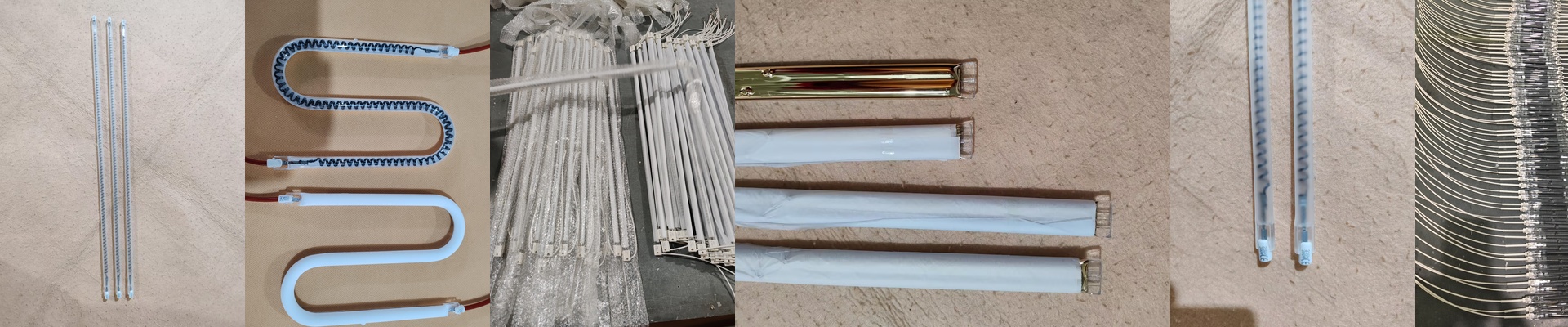

Getting Carbon Fiber Infrared Lamps Right for the Outdoors
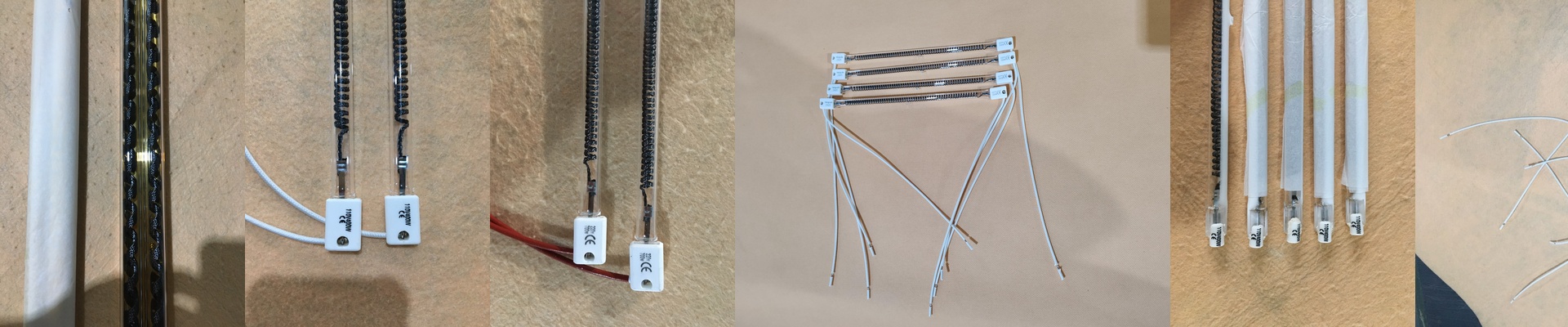
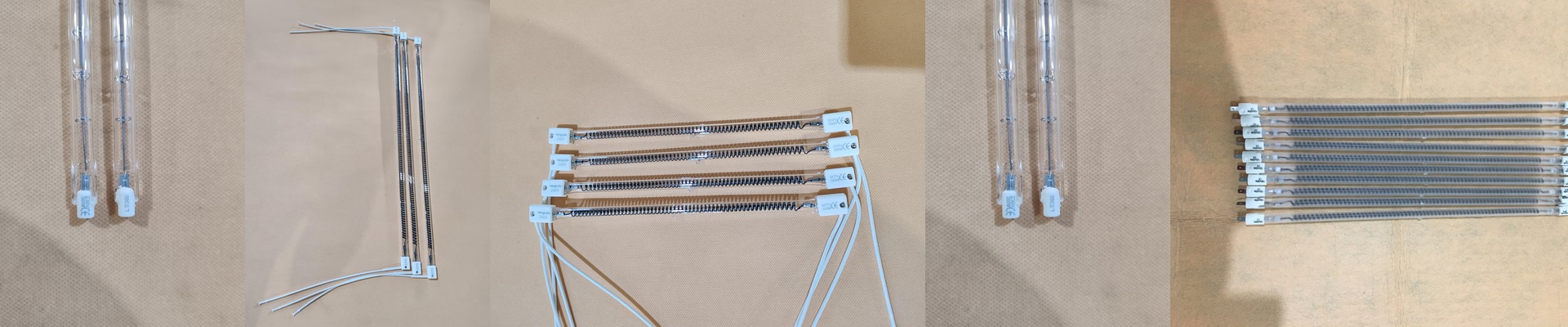
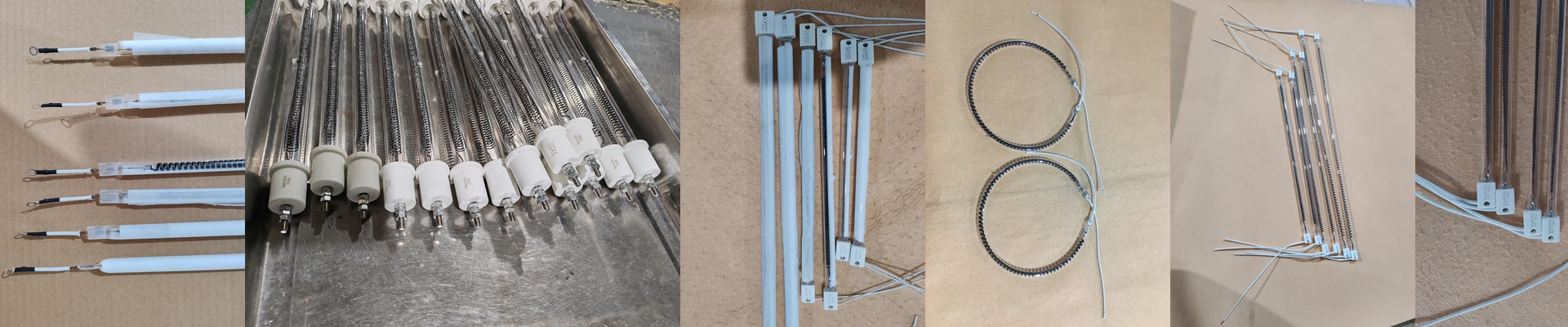
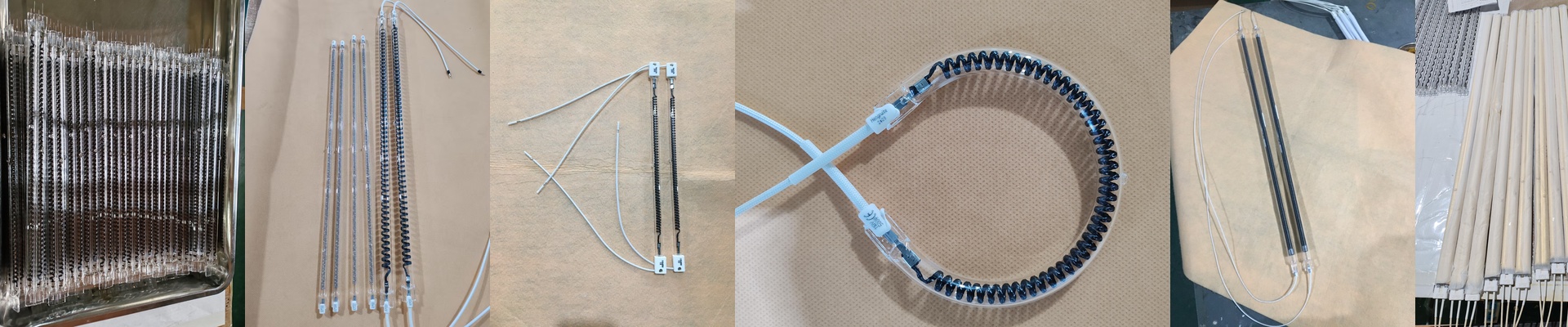
Here is the deal with carbon fiber heating lamps: they don’t waste time. Instead of those old-school metal coils that take forever to warm up, we use a carbon fiber filament tucked inside a quartz tube. It hits operating temperature almost the second you flip the switch. The best part? It sends heat straight to you—or whatever you’re trying to warm up—rather than trying to heat the entire outdoors, which is a losing battle. Dealing with the wind When you’re outside, you’re fighting the wind-chill. It’s a constant drain on your heat. That’s why we lean on carbon filaments; they pack a way bigger punch per millimeter than standard tungsten. But you have to get your power right. Whether you’re on 110V or 220V, make sure it matches your site’s grid perfectly. If your voltage drops, your heat vanishes. It’s as simple as that. Built to take a beating The quartz tube isn’t just for show. It keeps the filament from burning out while letting those infrared waves slide right through. We usually go with reinforced quartz. Why? Because outdoor temperatures swing wildly, and cheap glass cracks. We also obsess over the connectors. They need to be tight. If there’s any wiggle room, you’ll get arcing at the terminals, and your wiring will just burn out. The trade-offs you should know about If you’ve got halogen heaters, these usually drop right in. You’ll notice the light is softer, too—no blinding glare in your eyes. But keep this in mind:that quartz tube gets incredibly hot. You can’t just slap these in and walk away. You need solid guards and the right reflectors so nobody accidentally touches the glass. Also, don’t try to cram too much wattage into a tiny box. If the housing gets too hot, it’ll eat through your wire insulation over time. Just keep the airflow clear and you’re good to go.