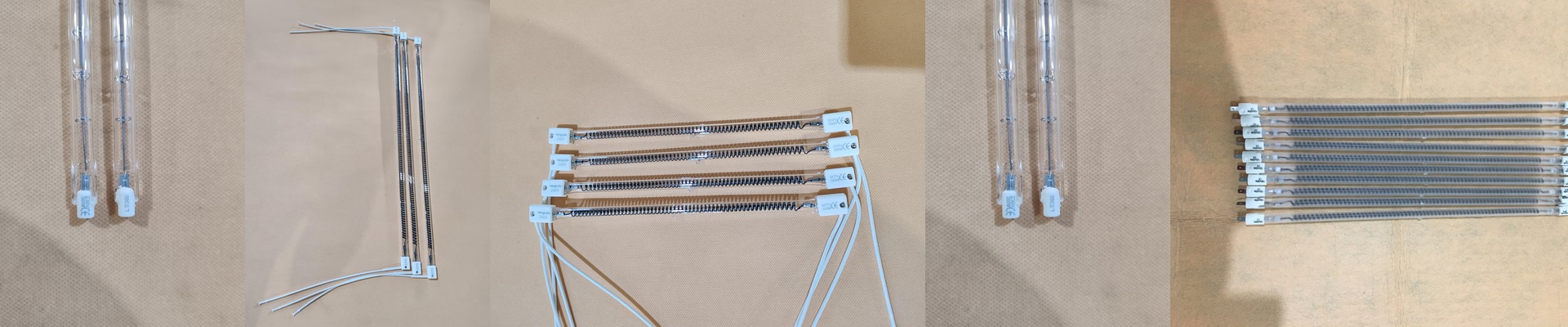

Getting the Most Out of Your 1500W Carbon Infrared Tubes
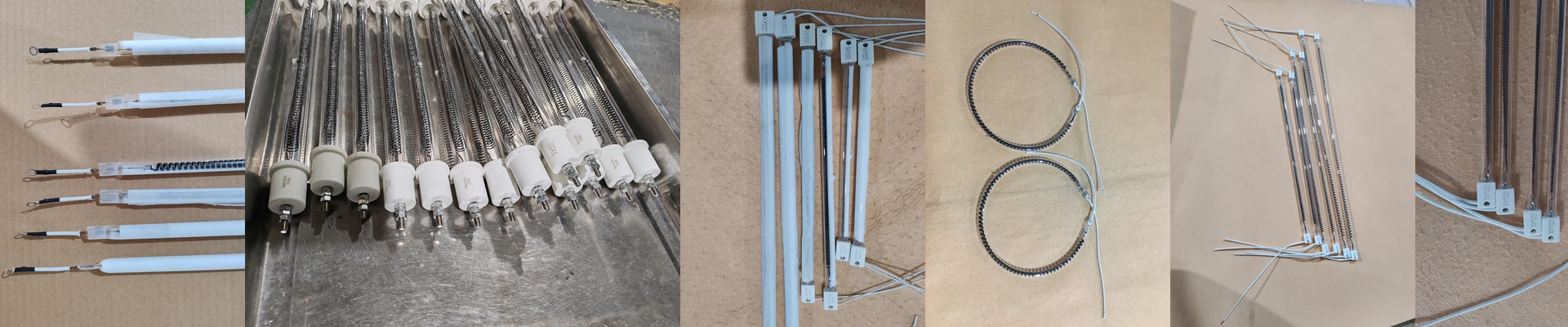
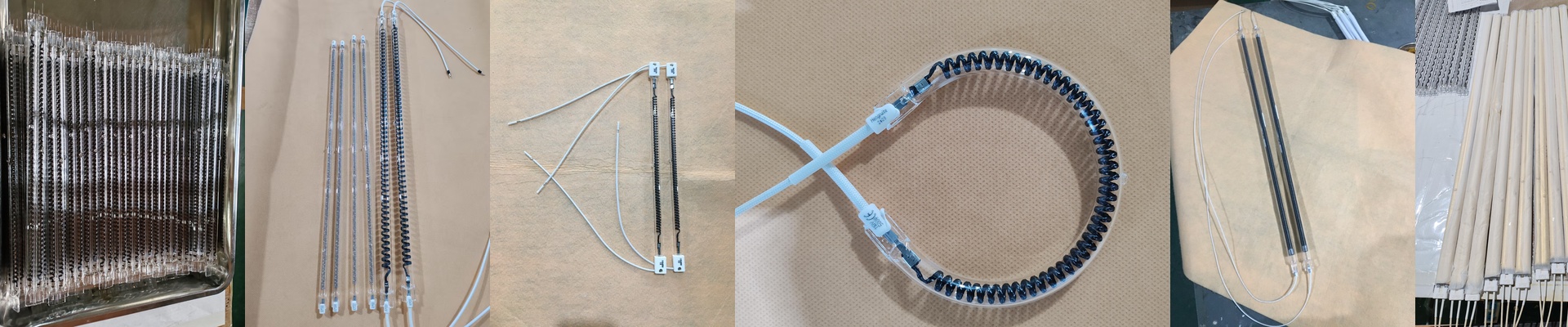
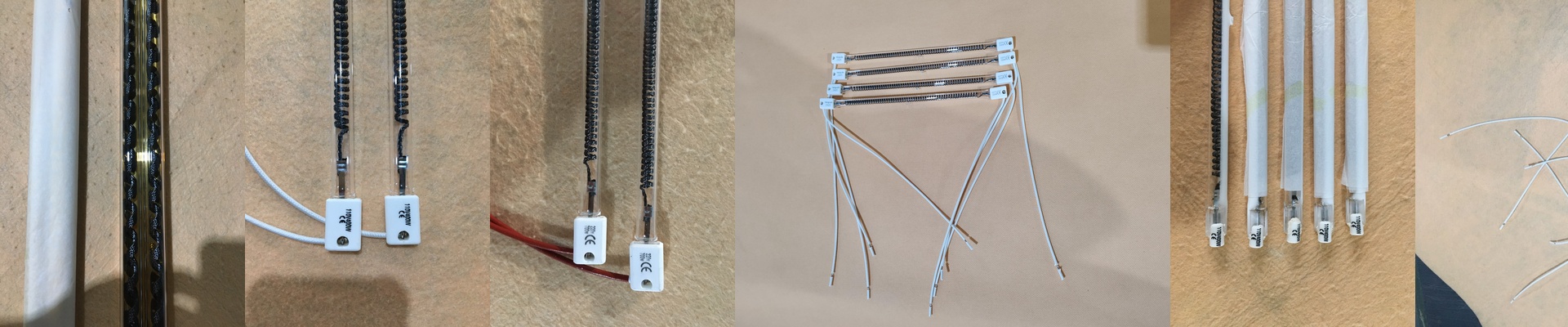
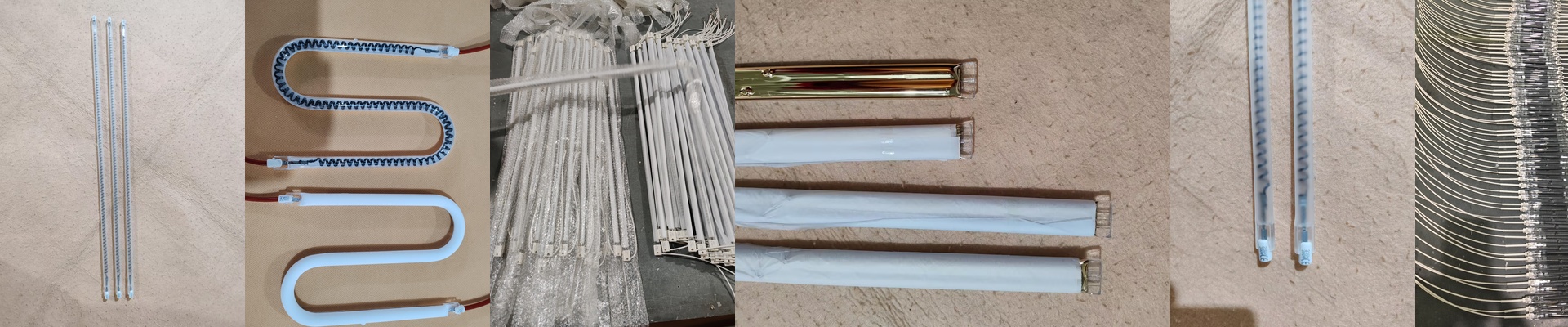
If you’re dealing with projects that need to get hot—and get hot fast—these 1500W carbon infrared tubes are your best bet. We didn’t just build these to be “stronger” than your average metal alloy element. We used carbon fiber filaments tucked inside high-purity quartz. The result? The heat actually sinks deeper into whatever you’re working on, rather than just scorching the surface. Let’s talk power. 1500W gives you a serious punch. It means you can hit your target temperatures quickly without needing a massive, bulky setup. But here is the catch: you have to be precise with your voltage. If you under-volt it, you lose that infrared peak and the tube just isn’t effective. Over-volt it? You’ll fry the carbon filament in a matter of hours. To keep things safe, I always suggest using PID controllers with SSRs. It stops those nasty current spikes when you first flip the switch. The guts of the machine The carbon emitter is where the magic happens. It doesn’t need to get as hot as tungsten to put out more infrared energy. We wrap the whole thing in quartz to keep oxygen away. Without that shield, the carbon would oxidize and vanish almost instantly. One quick tip on the quartz:be careful how you touch it. If you leave fingerprints or skin oils on the glass during installation, you’re creating “hot spots.” Those spots cause stress in the glass, and eventually, the tube will just snap. Grab some isopropyl alcohol and give the glass a good wipe-down before you wire everything up. Real-world use (and the trade-offs) These are perfect for things like PET blowing, curing paint, or welding plastics. The response time is nearly instant. But it’s not all plug-and-play. Because the heat density is so high, your reflectors have to be spotless. If they get dusty, your efficiency plummets, and the tube has to work twice as hard to keep up. And remember, quartz is fragile. If your machinery vibrates a lot, don’t just bolt them in. Use dampened mounting brackets so the tubes don’t crack under the pressure.