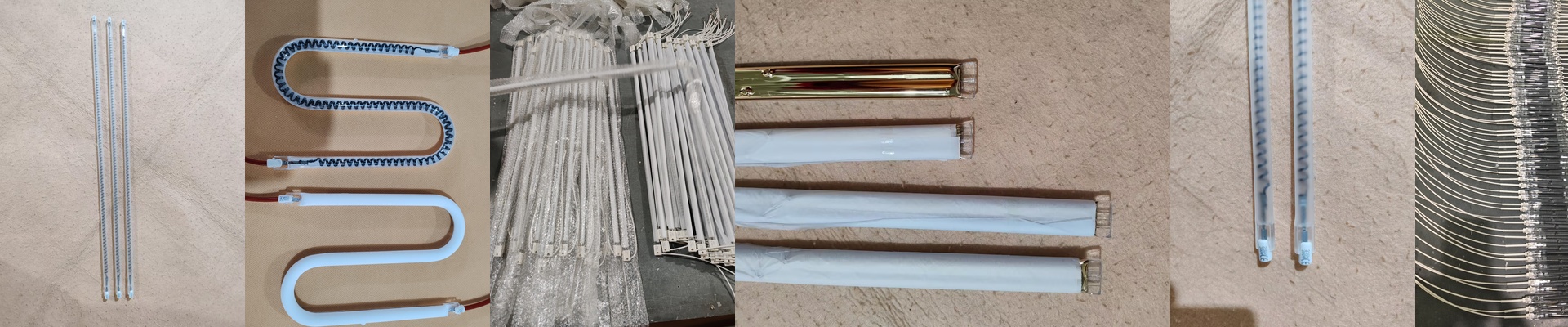

What’s actually going on inside your Mimaki heater lamps?
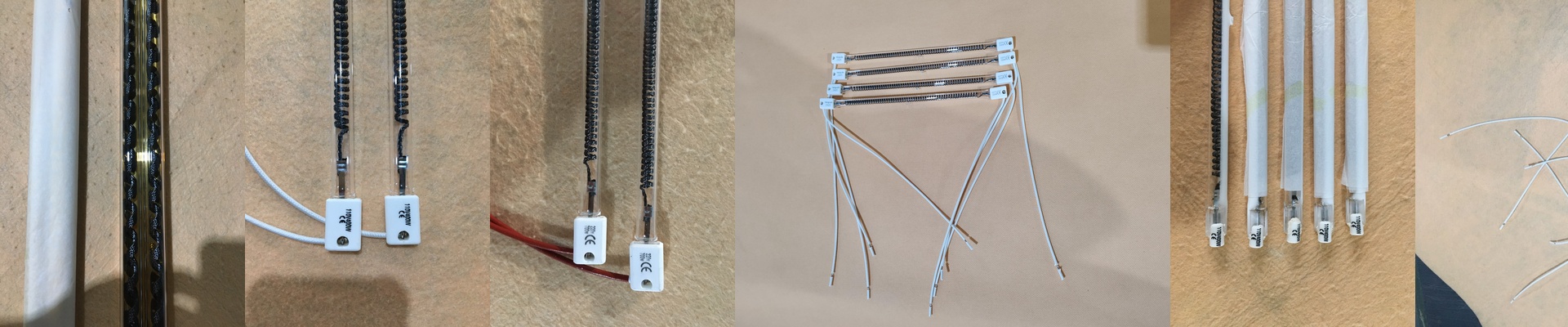
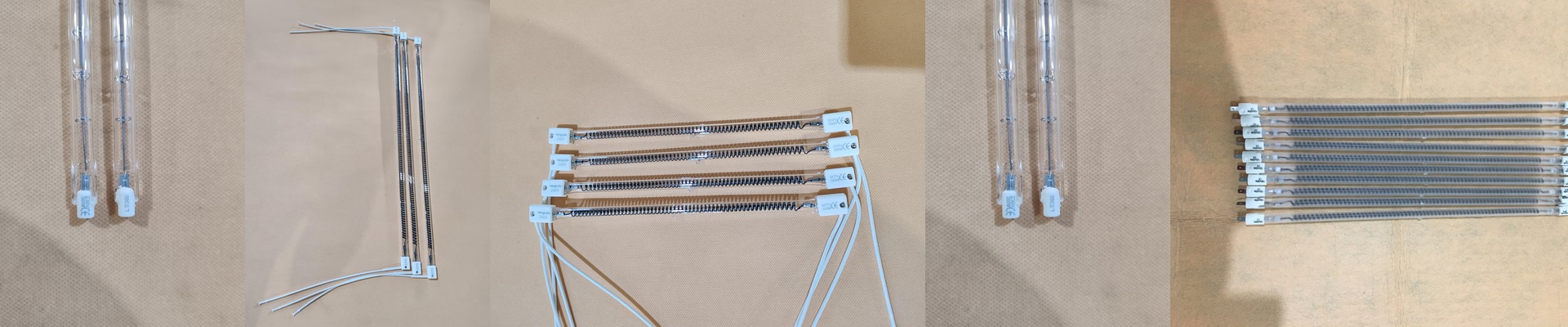
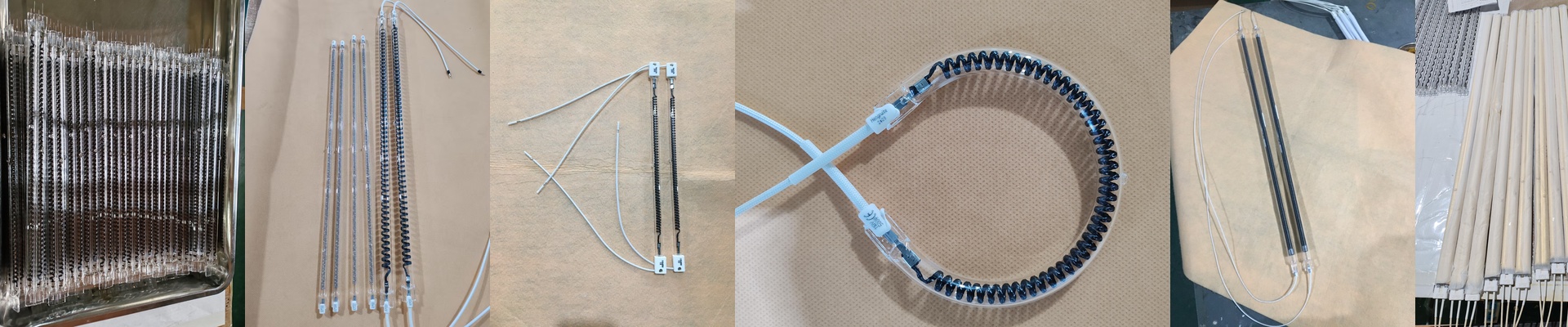
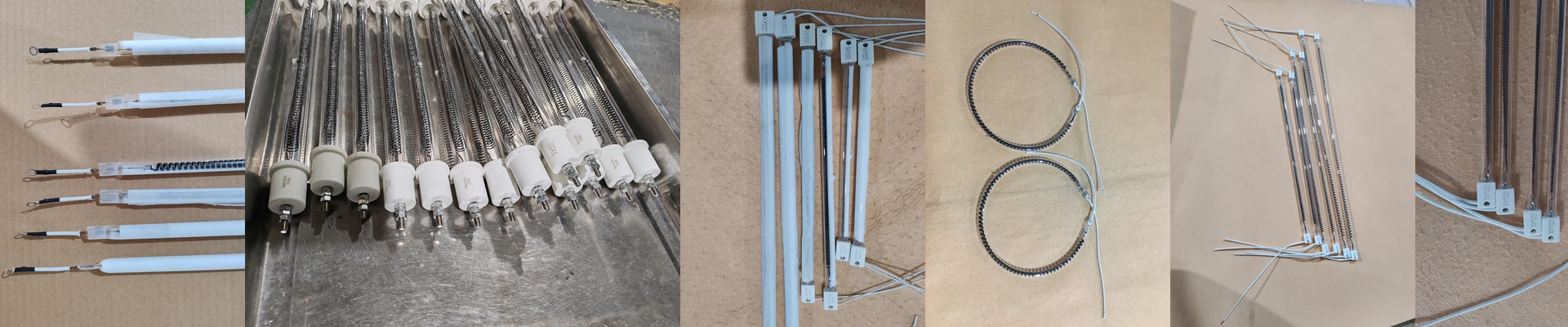
If you’ve ever wondered why your Mimaki printer handles ink the way it does, it mostly comes down to heat. To get that ink to cure and the substrate to dry just right, you need a very specific kind of warmth. That’s where our quartz halogen lamps come in. A lot of the big global brands actually get their lamps from us. Why? Because the margin for error is tiny. If the heat is off by even a little bit, the whole print is ruined. The balancing act of heat It’s a bit of a tightrope walk. We have to balance voltage and wattage so the lamp gets hot enough to work, but not so hot that the quartz tube literally cracks. We spend a lot of time obsessing over the “watt-per-centimeter” ratio. When that density is high, your printer hits operating temperature almost instantly. It’s great for speed, but it’s tough on the electrodes. It’s a trade-off, but it’s what makes fast production possible. The “secret sauce” in the materials We use high-purity fused quartz. It sounds fancy, but it basically just means the tube won’t warp when it goes from freezing to scorching in a matter of seconds. Then there’s the halogen cycle. Without it, the tungsten filament would just evaporate and stick to the inside of the glass. You’d end up with these “dark spots,” and your heating would be all over the place. The halogen keeps things clean. And the connectors? Whether it’s an R7s or a special SK pin, we make sure they fit tight. A loose connection is a nightmare—it creates an arc that can fry your socket. We build them to be a simple “drop-in” replacement. No rewiring, no headache. Just plug it in and get back to work. A quick tip to keep them alive Here is the thing: high-output lamps put out a lot of heat. A lot. If your cooling fans are choked with dust or just aren’t pulling enough air, the housing is going to overheat. When that happens, your filament dies way faster than it should. Do yourself a favor and check the airflow across your heater bank every 1,000 hours. It takes two minutes, but it keeps your heat stable across the entire width of the print and saves you from an unexpected burnout in the middle of a big job.