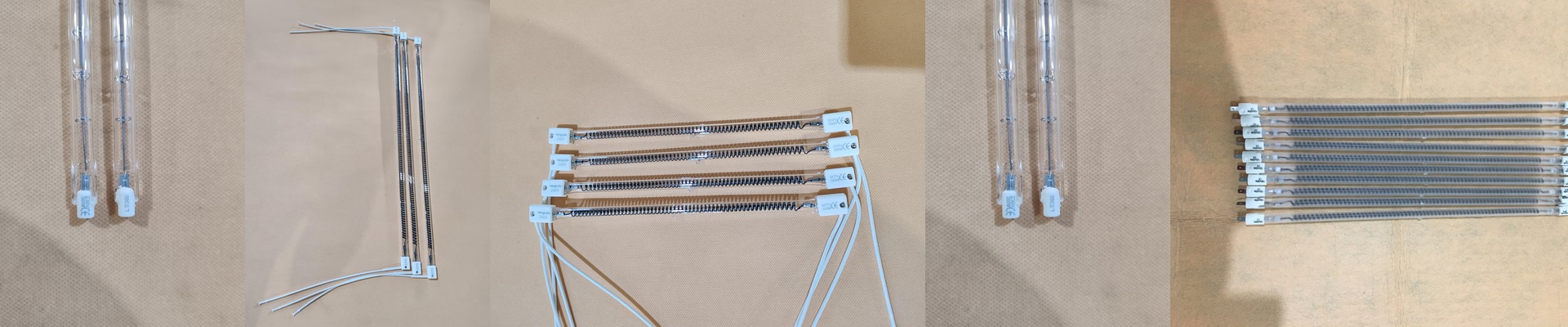
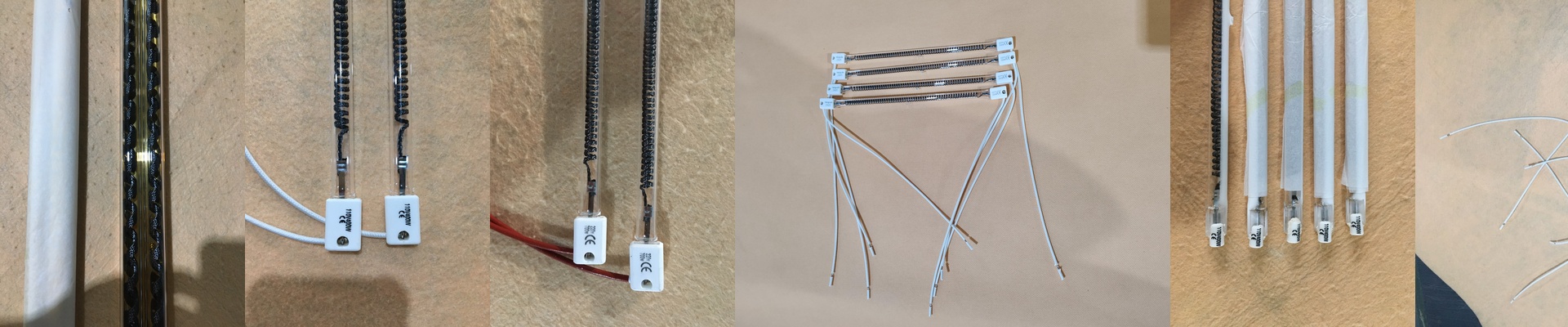
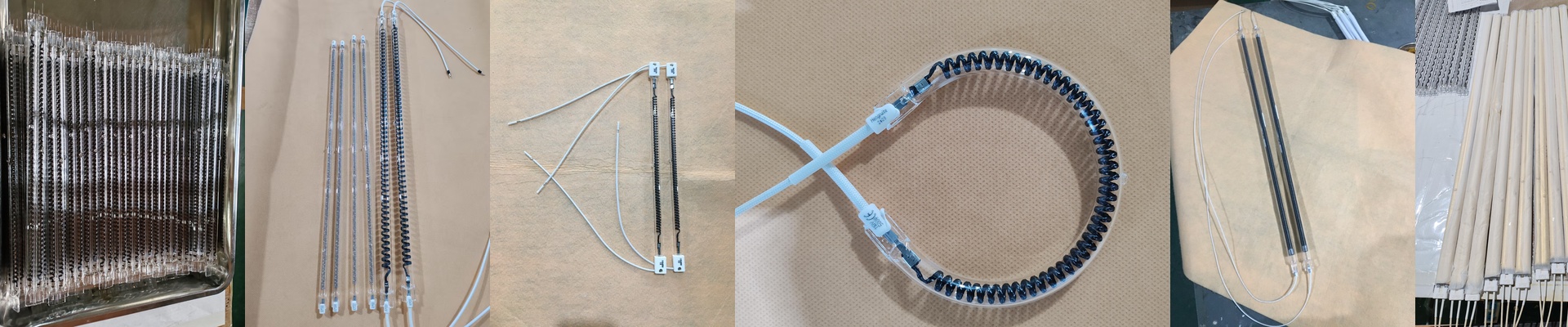
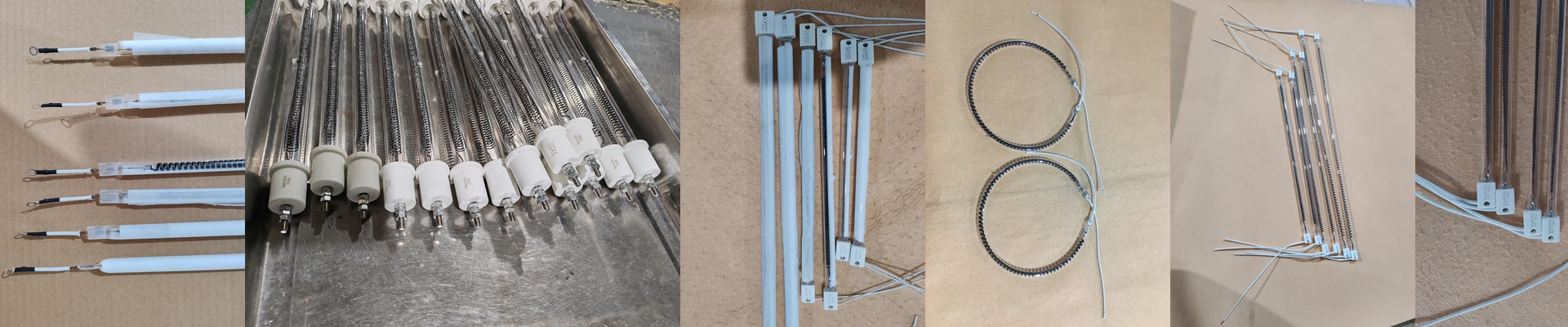

Making Carbon Fiber Heating Work Across Your Press Brands
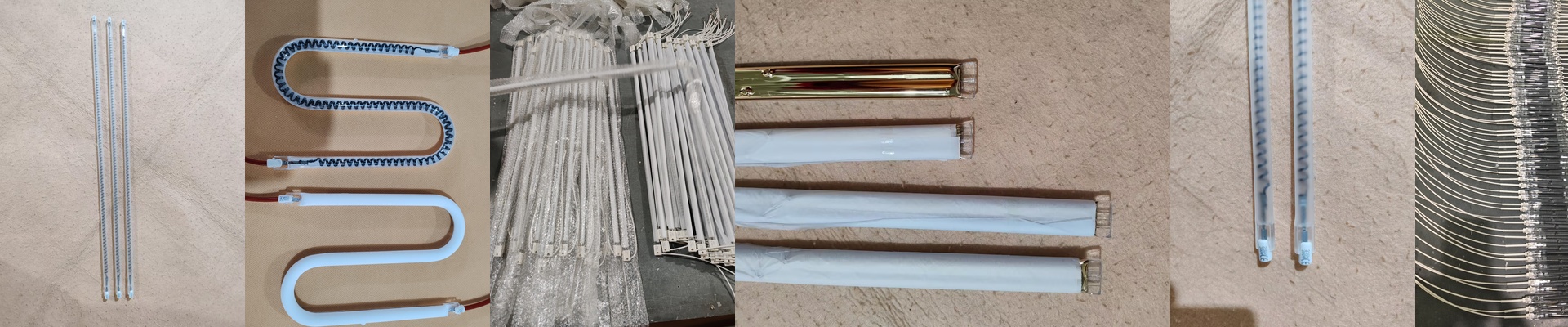
Let’s be honest: trying to find a replacement lamp that actually fits five different global press brands is usually a headache. You don’t need a “universal” part that barely works. You need something that matches your electrical load and fits the physical space exactly. That’s why we build our carbon fiber infrared lamps as drop-in replacements. You just slide them in. No messing with the wiring in your control panels, and no hacking away at your heater banks. It just works.
Why Carbon Fiber?
Most people are used to quartz halogen, but carbon fiber is a different beast. It hits those high temperatures way faster. The real magic is in the emissivity. More of the heat actually hits your ink or substrate instead of just bouncing off into the air. We focus on short-wave output so the heat sinks in quickly. If you’ve ever had a production line crawl to a stop because the conveyor couldn’t move any faster, you know how much of a relief this is.
Getting the Fit Right
Depending on where your machines came from, you’re probably dealing with anything from 220V to 380V. It’s a mess. We handle this by tweaking the length and diameter of the filament. This keeps the ends from burning out when the voltage swings. We also use standardized end-cap connectors. Why? Because if a lamp is loose in the socket, you get arcing. And arcing is a nightmare. We keep the tolerances tight so you don’t have to worry about it.
A Quick Word of Caution
Here’s the thing: high heat density is great, but it has a trade-off. When you’re cranking these lamps to max wattage to speed up your curing, that quartz envelope gets seriously hot. You’ve got to make sure your ventilation is wide open. If the airflow is blocked, the heat just soaks back into the lamp, and it’ll kill the lifespan of the element. We build these things to take a beating in a loud, dirty industrial shop. You get the exact wattage you need to cure your ink, the lamp fits the frame, and you can get back to work.