
Making Infrared Lamps Actually Work With Your Gear
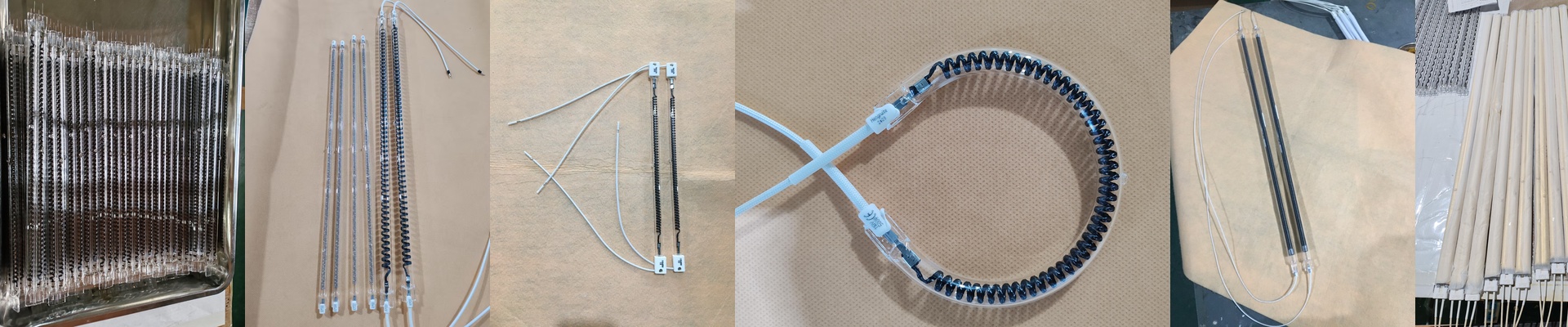
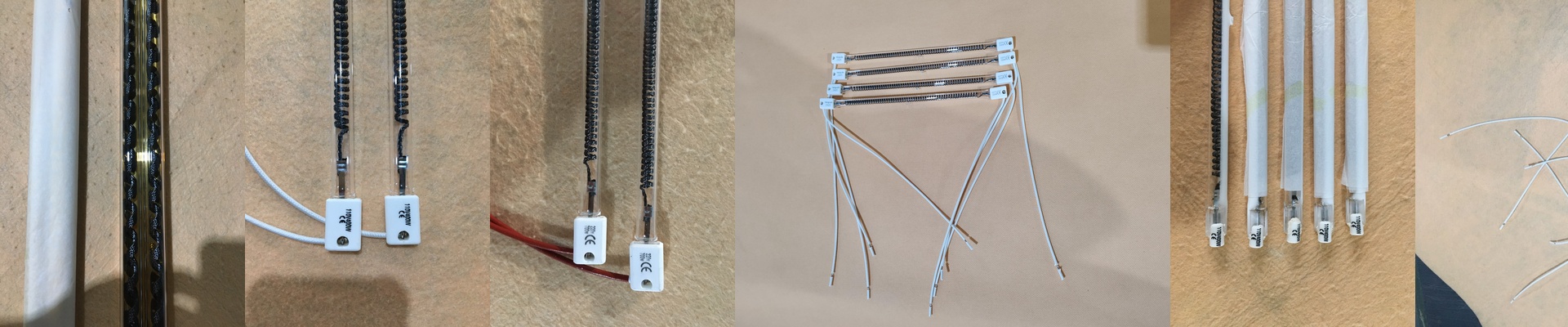
If you’ve ever tried to swap out a curing lamp, you know the headache. You don’t just need a bulb that fits; you need something that doesn’t fight with your machine’s electrical setup or bake the chassis. We’ve spent a lot of time figuring out how to make our lamps slide right into the five biggest printing brands on the market without the usual drama. The secret is in the gold.
Why Gold?
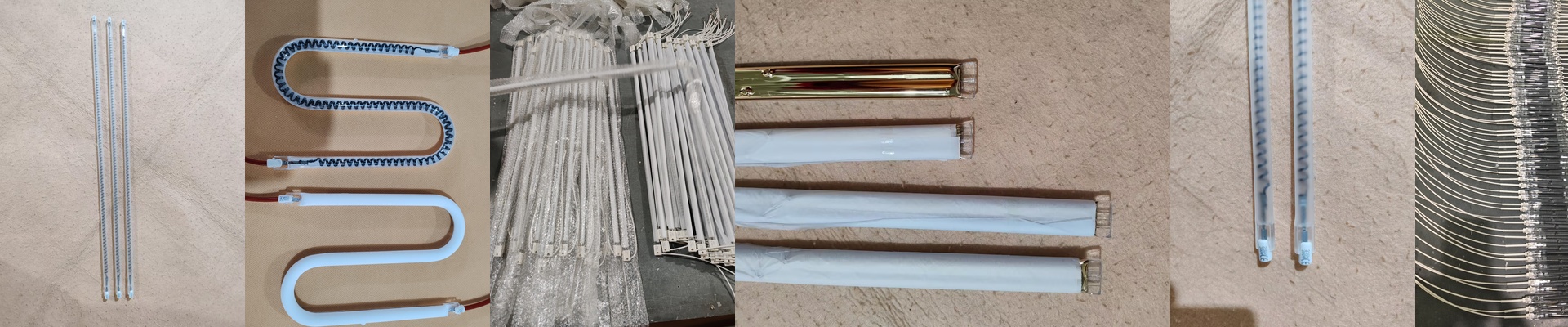
Most lamps use aluminum reflectors. They’re fine, but they soak up too much energy. It’s a waste. We use a high-purity gold coating instead. Gold is incredible at bouncing shortwave infrared radiation back where it belongs—straight onto your substrate. Instead of heating up your machine’s frame, the heat stays concentrated. **It’s faster. Much faster.**And when your curing cycle finishes quicker, your whole shop moves faster.
The Nitty-Gritty on Fit
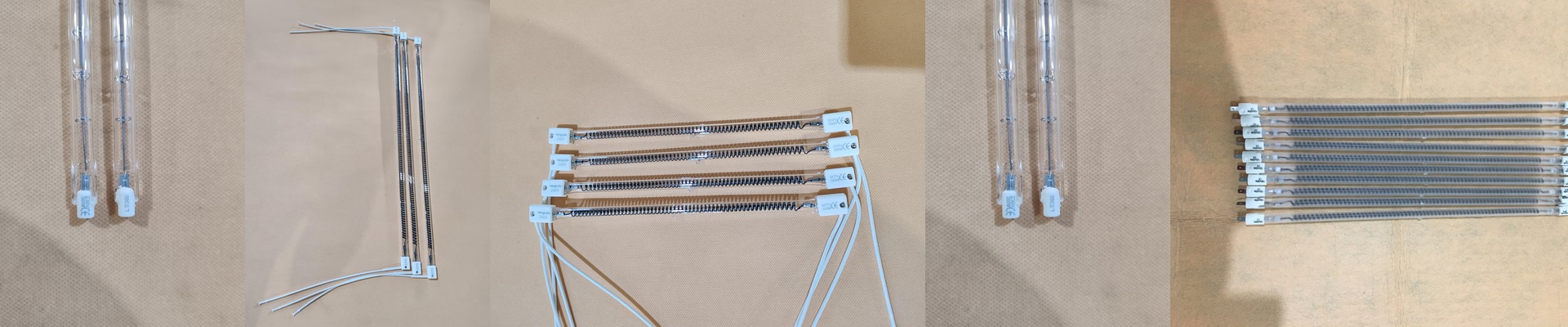
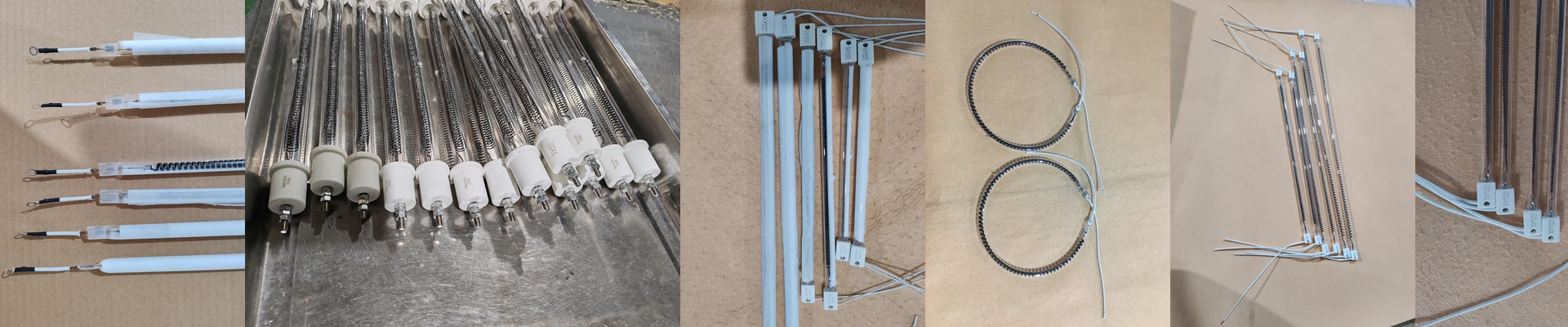
We don’t do “close enough.” Whether your machine uses an R7s or an SK15 connector, we build to those exact specs. We match the wattage and the length perfectly so you aren’t forcing things into place or dealing with loose connections. We also use high-grade quartz glass. If you’re running a print-on-demand shop, your lamps are constantly clicking on and off. That thermal shock kills cheap glass. Ours can take the beating. Plus, because the gold reflector keeps the heat directed downward, your surrounding wiring doesn’t get fried, which means you aren’t replacing cables every few months.
A Few Heads-Up
Here’s the thing: more power means you have to pay attention. Since these lamps are way more intense, you might find yourself over-curing or even scorching your ink if you just plug and play. You’ll probably need to bump up your conveyor belt speed or dial back the power a bit to find that sweet spot. And one last tip? Check your power supply’s amperage before you flip the switch. You want to make sure your system can handle the peak load so you don’t end up blowing a fuse the second you start a run.