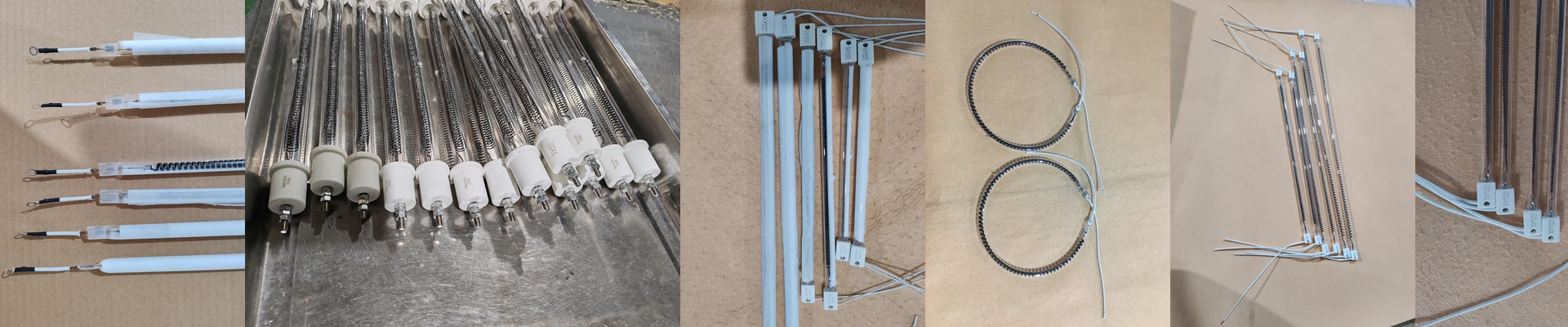

Getting Your KTK IR Lamps Right the First Time
If you’ve ever tried to swap out IR bulbs in a KTK elliptical press, you know it’s not as simple as just picking a tube that looks the right length. It’s a bit of a balancing act. Get the wattage or voltage even slightly off, and you’re looking at a bad day. You’ll either end up with ink that won’t dry or, worse, a tube that burns out way before it should. That’s why we build our replacements to be a true drop-in. We make sure the heat hits exactly where it’s supposed to, just like the original gear.
The “Fit and Forget” Approach
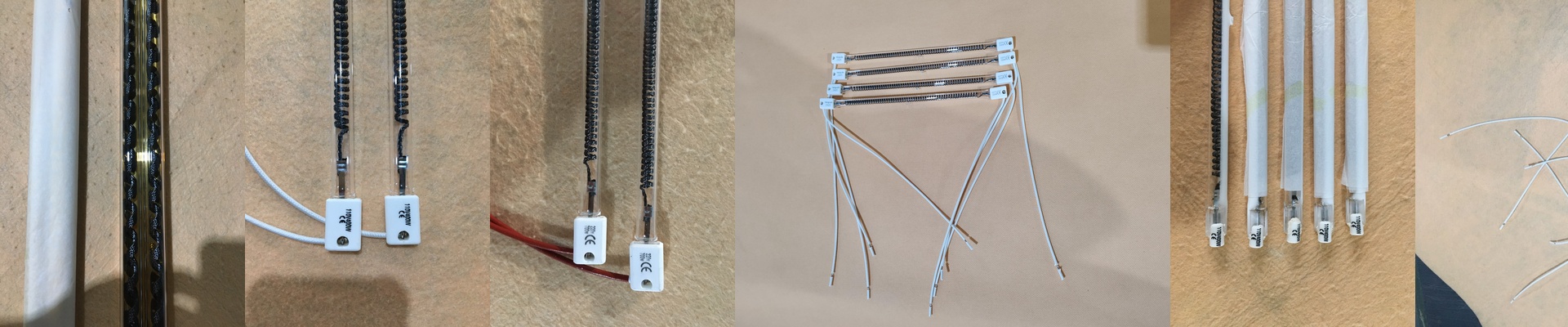
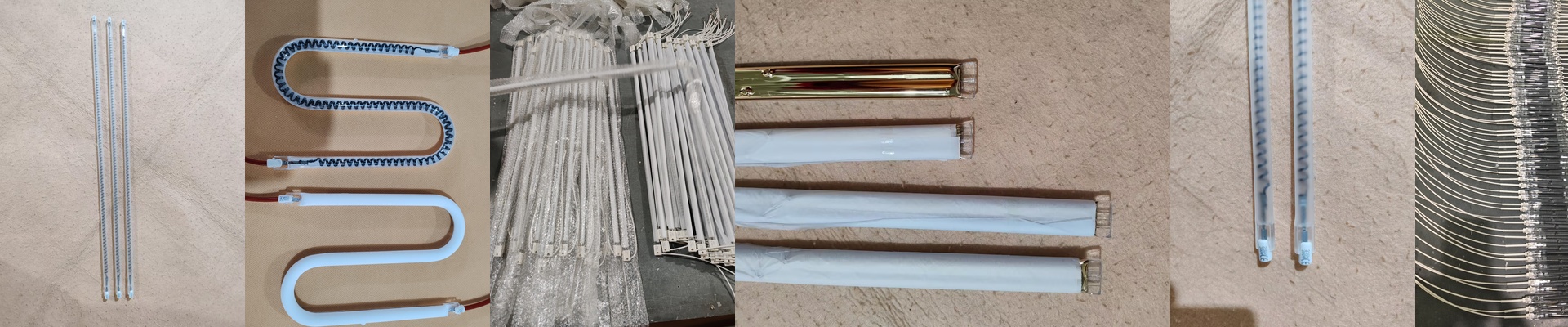
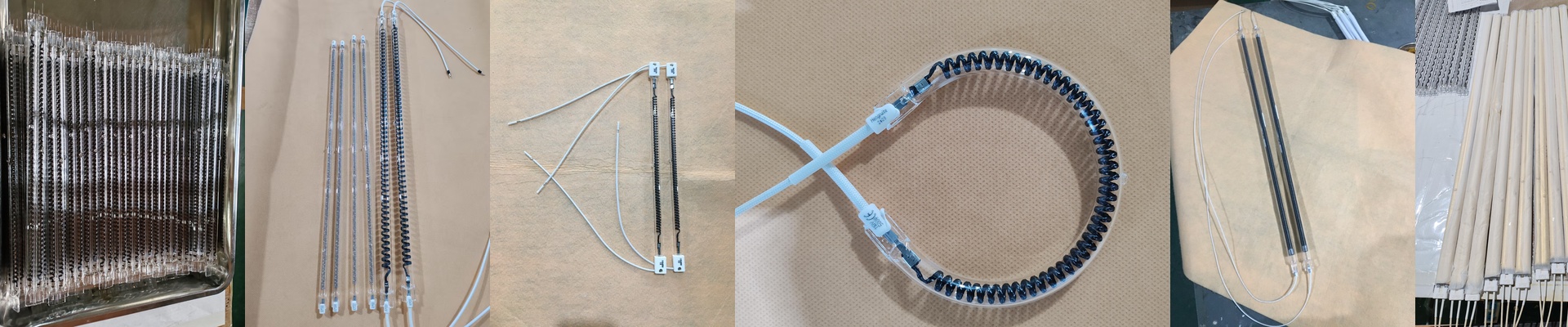
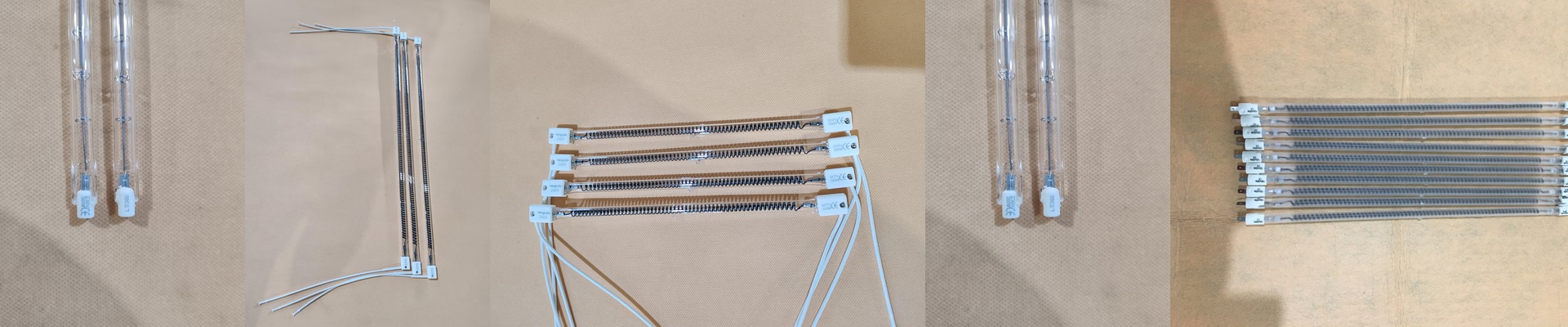
A real 1:1 fit means the lamp just slides in. No forcing the brackets, no “massaging” the metal into place. We obsess over the millimeter length and the connectors—usually R7s or Sk15—so you can just wire it up and get back to work. Then there’s the power. Think of it as heat density. If you go too high on the wattage, you’ll bake the ink and probably warp your substrate. Go too low? You’ve got “wet” prints and a production line that’s grinding to a halt. We stick to the OEM electrical curve so your curing speeds stay exactly where they need to be.
Why the Material Matters
We use high-purity quartz glass because these lamps take a beating. The constant heating and cooling is brutal on the glass. Since most KTK setups need shortwave IR to punch through ink layers quickly, we fill the tubes with halogen gas. This keeps the tungsten from evaporating and turning the tube dark, which means the lamp lasts longer and stays brighter.
Real-World Tips for the Shop Floor
These lamps put out a ton of heat to keep your presses running fast. But here’s the thing: if your reflectors are dirty, you’re wasting energy. A grimey reflector forces the lamp to run hotter to do the same job, and that’s a one-way ticket to a shorter lifespan. Keep them clean. And please, check your power supply before you flip the switch. A sudden voltage spike will pop a new filament instantly, no matter who made the bulb. One last thing—make sure those contacts are tight. Loose connections create arcs, and arcs melt sockets. It’s a pain to fix, so just double-check the fit before you start the run.