
Making Flash Cure Lamps That Actually Fit Your Gear
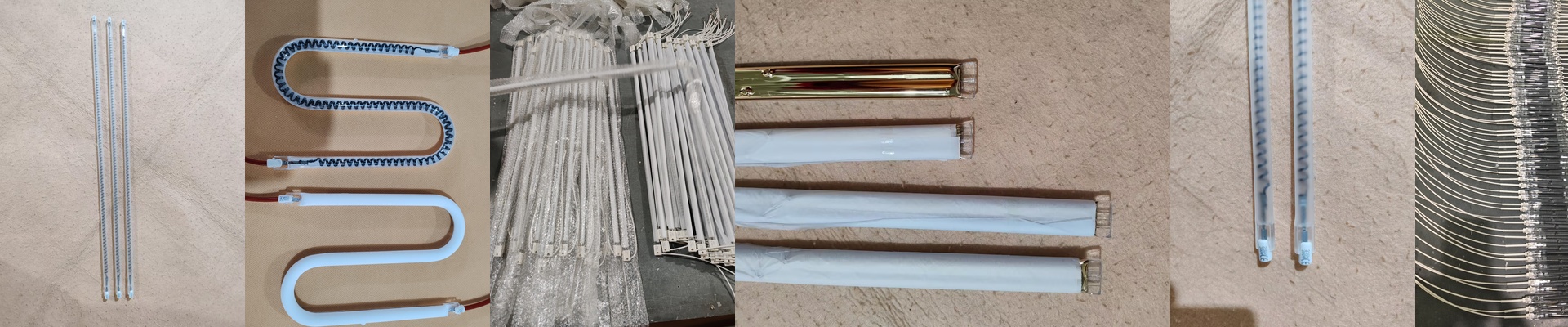
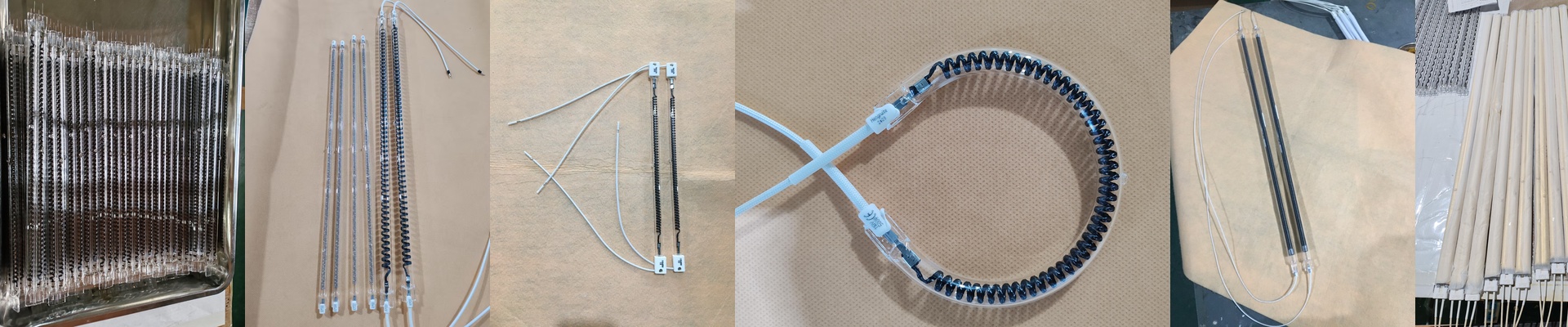
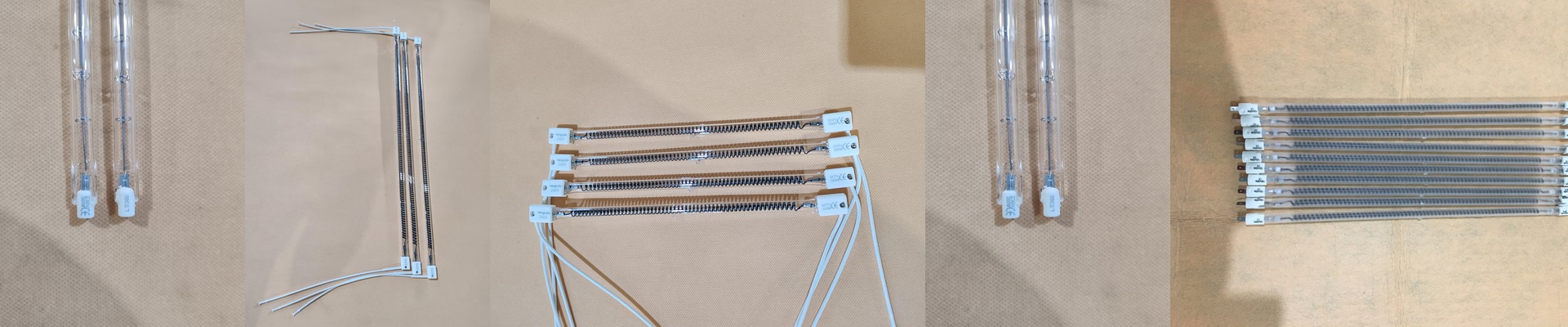
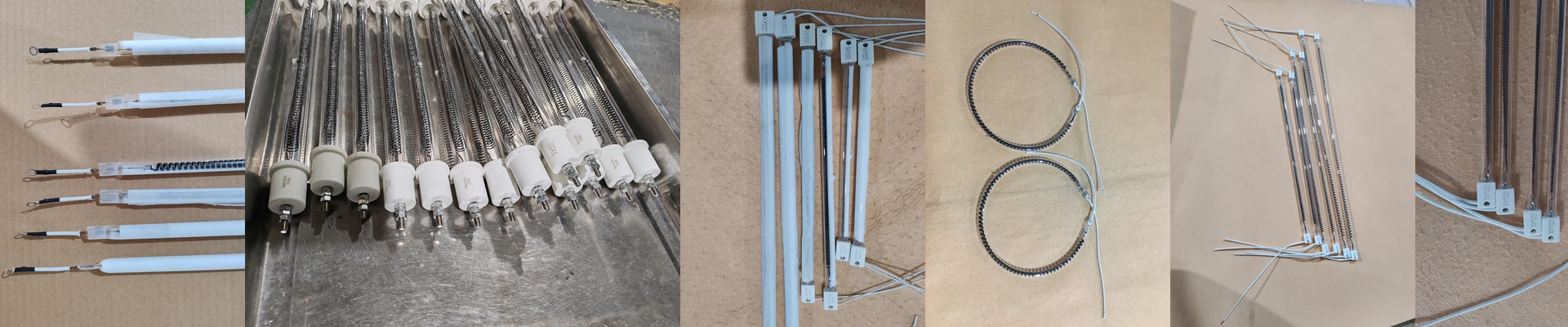
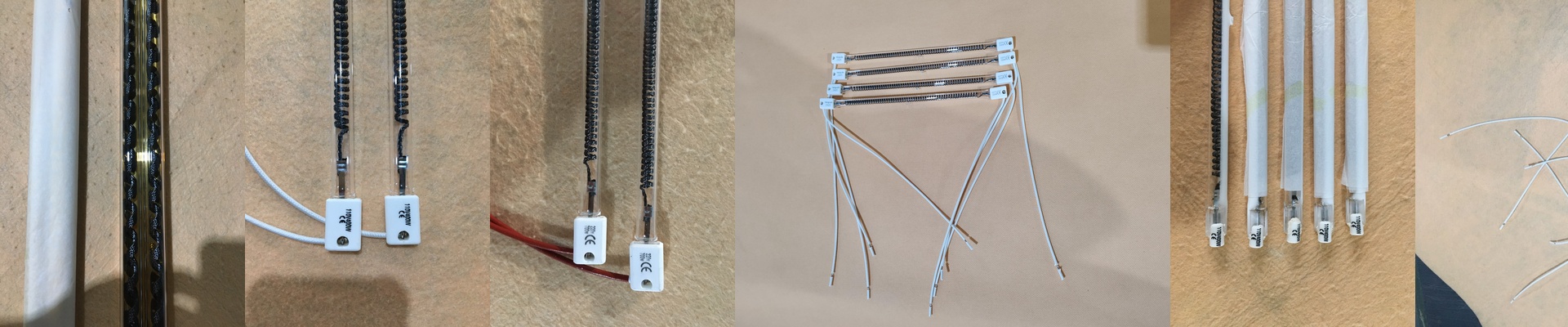
If you’ve ever dealt with ink bleeding during a flash cure, you know the frustration. You need a massive hit of heat, and you need it now, or the whole shirt is ruined. When we set out to make our infrared lamps work with the five biggest printing brands on the market, we didn’t want to give you a “close enough” solution. We wanted something that just works. The electrical side of things Here’s the thing: compatibility is really just about the plug and the power. We stuck with standard R7s and Sk15 bases. Why? Because they’re drop-in replacements. You can swap your old lamp for ours without having to mess around with your control boards or transformers. We matched the voltage and wattage exactly. You just wire it up and get back to printing. We also know that flash curing is brutal on equipment. It’s constant on-off-on-off. That’s why we use short-wave infrared emitters. They hit the ink surface in seconds. Just a heads-up: if you’re running a high-wattage tube, make sure your ventilation can handle the heat buildup around the reflector. You don’t want your shop feeling like a sauna. What we’re building them with We use high-purity quartz glass because cheap glass burns out way too fast. Depending on the ink you’re using, we can add specialized coatings to the tubes. This is a neat trick that pushes the energy into the ink layer instead of soaking into the fabric itself. Plus, the halogen gas fill keeps the filament stable. It helps the lamp survive all that rapid switching. Now, it’s not a magic wand. You still need to calibrate the distance between the lamp and the platen, or you’ll end up scorching your garments. Fitting into your setup Every press is a little different. Some have weird reflector shapes; others have clunky mounting brackets. We spent a lot of time on the dimensions so our lamps fit these different housings without needing custom adapters. No hacking, no drilling, no headaches. It’s a direct fit. That means the heat stays focused right where it needs to be, so your cure times stay consistent across every single shirt that hits the line.