
Getting Your Anatol Squeegee Heaters Just Right
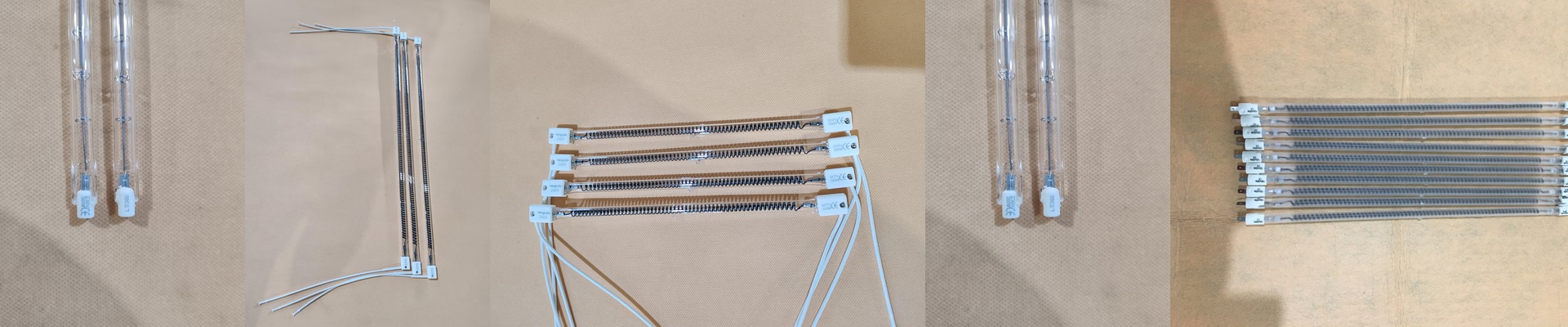
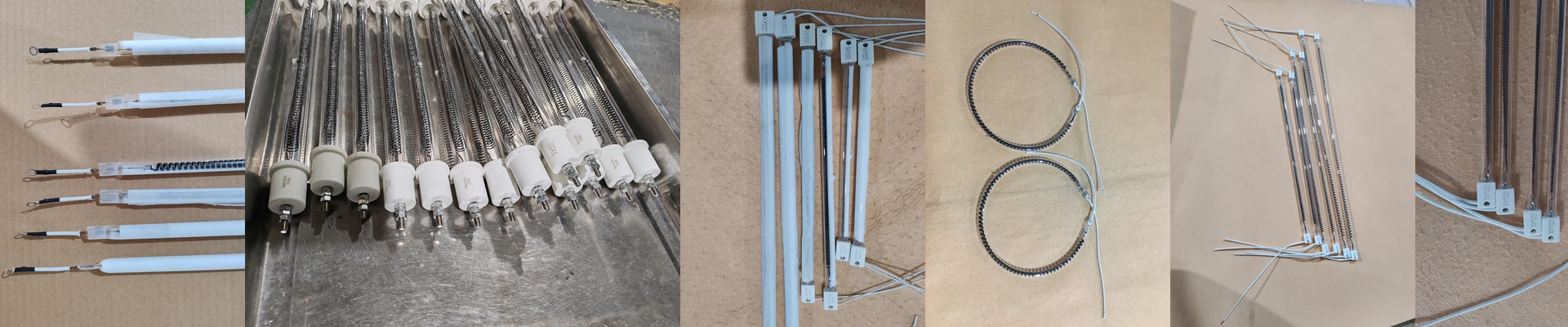
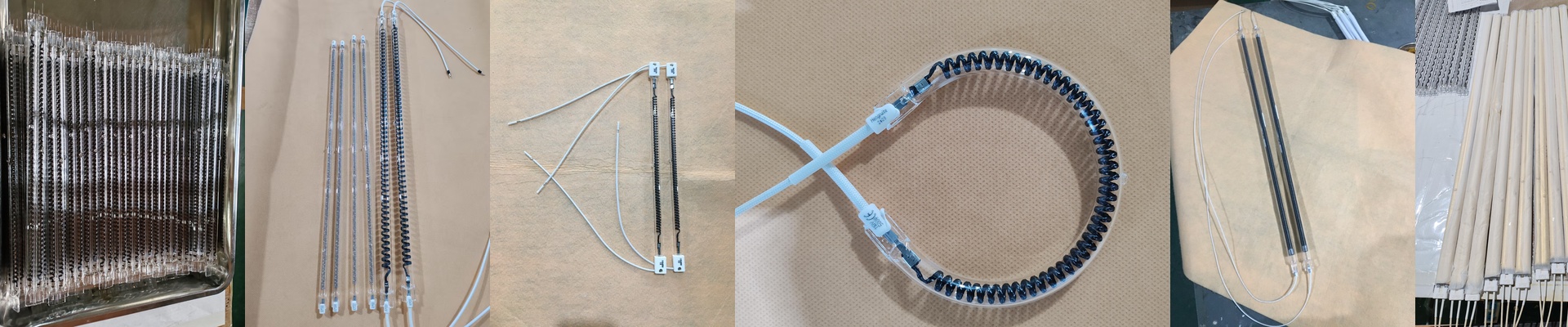
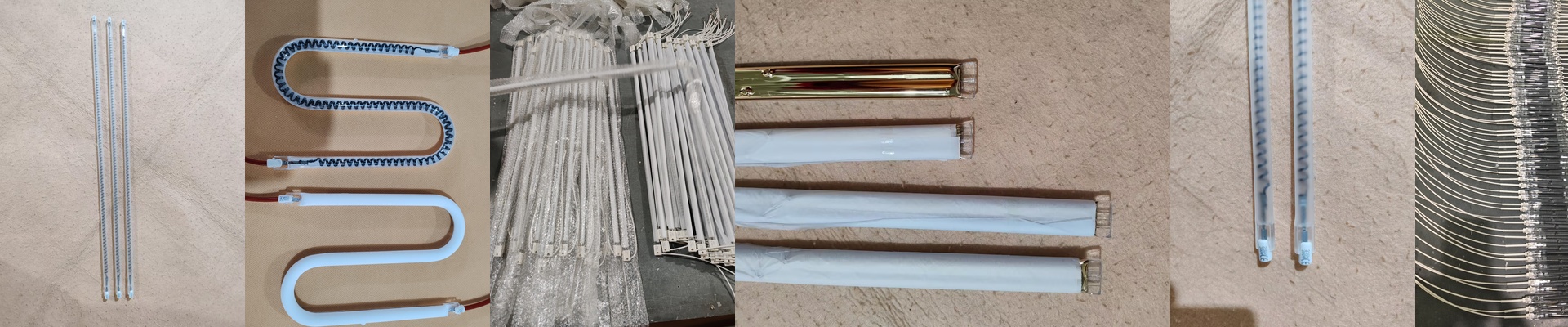
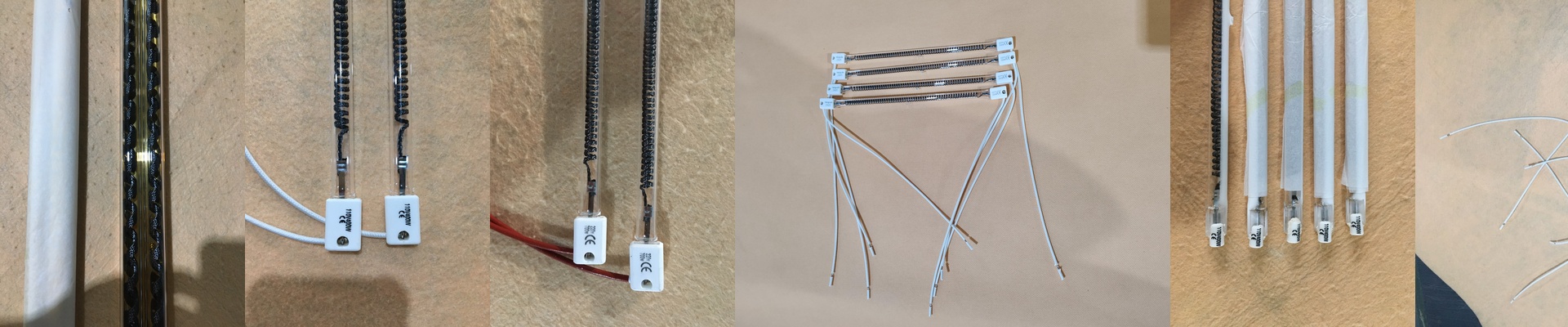
If you’ve ever dealt with ink viscosity on an Anatol press, you know the struggle. If the heat at the squeegee isn’t spot on, everything goes sideways. Now, a lot of shops try to save some cash by swapping out the OEM parts for domestic infrared tubes. But here’s the thing: you can’t just pop in any old bulb and call it a day. It’s not just about “turning on the heat”—it’s about matching the actual energy and light output of the original. The wattage trap We spend a lot of time obsessing over the watt density per millimeter. Why? Because if the power curve doesn’t match the original spec, you’re asking for trouble. If you go too high on the wattage, you’ll fry your filaments in record time. Worse, you might actually melt the plastic guards nearby. Not a great look. That’s why we use high-purity quartz glass. It keeps the tube from warping when things get hot and the machine is cycling on and off all day. Making it fit (and actually work) We use short-wave infrared. The goal here is to get the heat into the ink quickly, rather than just warming up the air around it. And nobody wants to spend their Saturday rewiring a control box. We’ve made these a drop-in replacement. Depending on which generation of machine you’re running, we use R7s or SK15 bases. They handle the current without getting dangerously hot at the contact points. It just works. The trade-off Look, domestic tubes are a steal compared to the OEM price tag. But there’s a catch: they’re picky about power. Whether you’re running 230V or 400V, these tubes hate voltage spikes. If your plant’s power is jumping all over the place, these tubes are going to take a beating and die early. You need a steady stream of power to get the lifespan you’re paying for. We also make sure the footprint matches the Anatol heater block exactly. If the fit is off, you get “cold spots.” And cold spots mean clogged ink and uneven curing. Nobody wants to pull a shirt off the press only to find a patchy print. Keeping the heat even across the blade is the only way to stop that from happening.