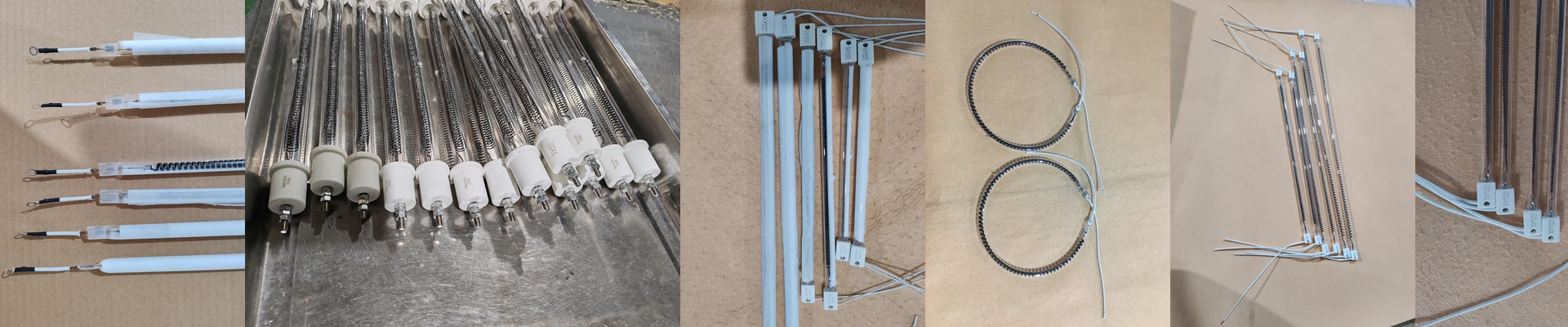

Getting Your Intermediate Drying Right: The Truth About IR Lamps
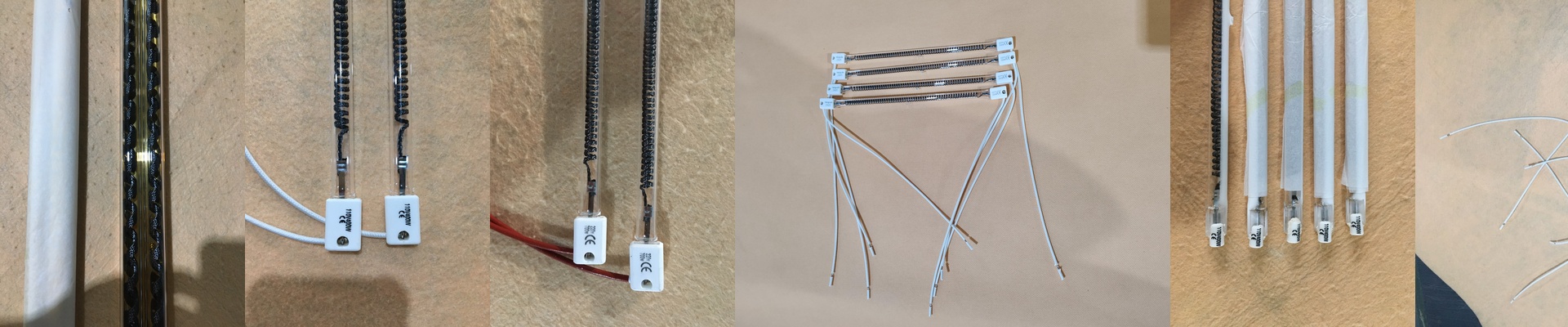
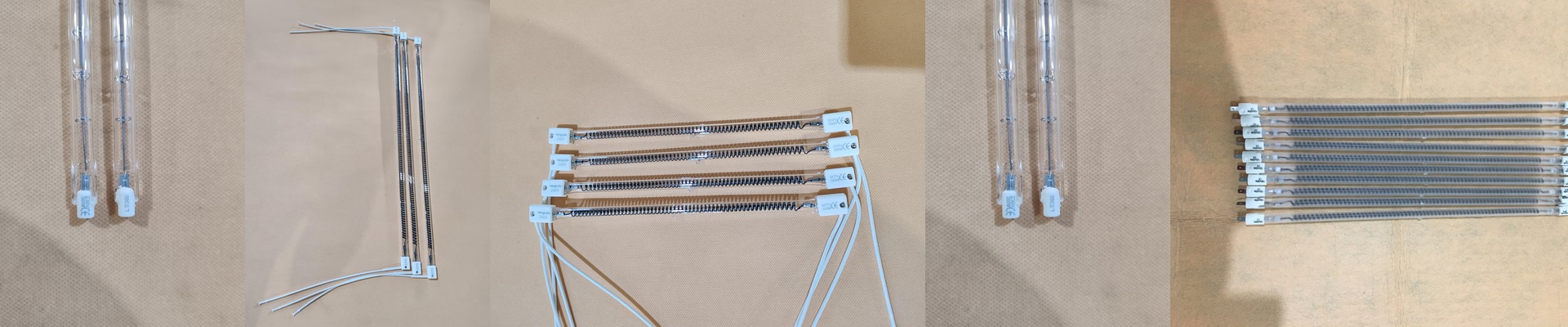
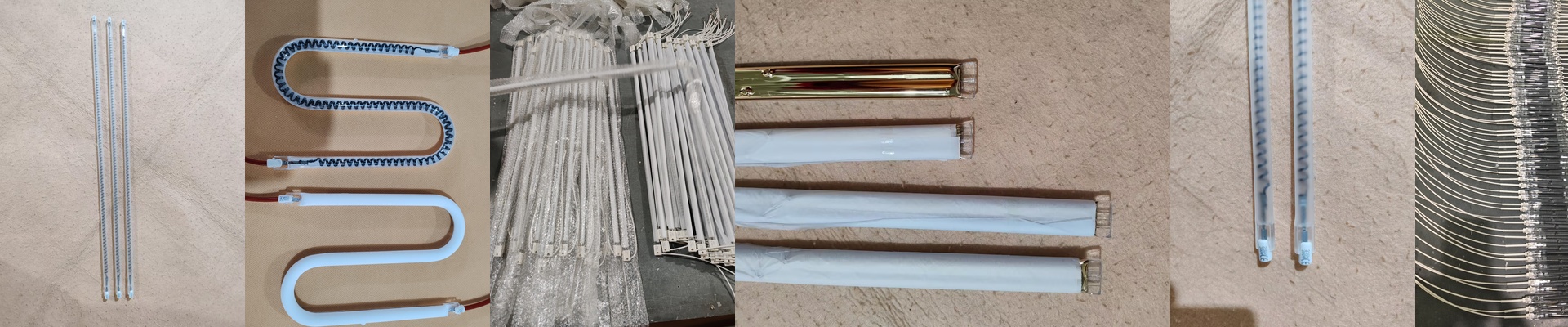
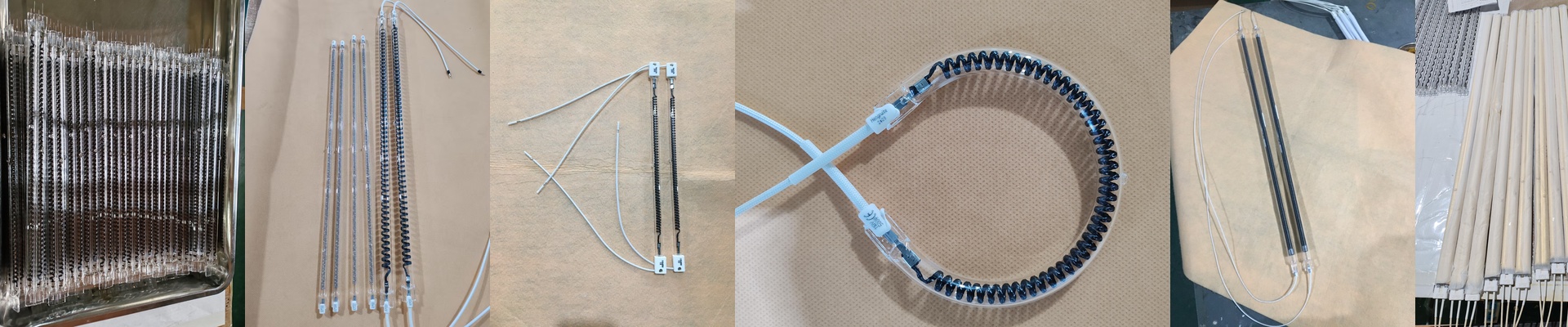
If you’ve ever dealt with “wet-on-wet” bleeding between print stations, you know exactly why intermediate drying is a headache. You need enough heat to set the ink fast, but not so much that you’re scorching your shirts. It’s a tight window. We build our infrared lamps to hit that sweet spot. We don’t just guess; we lean hard into the physics of short-wave radiation and high-grade materials to make sure they perform just as well as the big-name Tier-1 brands. Heat where you actually need it Here’s the thing: for intermediate drying, you need a high wattage-per-centimeter ratio. Why? Because the garment is moving. It only has a split second under the heater to hit that evaporation temperature. If your lamp is too weak, the ink stays tacky. Then you hit the next station, and everything smears. We calibrate our voltage and wattage so the heat is flat across the whole tube. No random hot spots that burn holes, and no cold zones that leave ink wet. The gear inside We use high-purity synthetic quartz. This is important because these lamps aren’t just “on”—they’re constantly cycling as the machine indexes. Cheap glass cracks under that kind of thermal shock. Quartz doesn’t. To make sure that heat actually goes down into the ink—and doesn’t just warm up your machine frame—we pair the lamps with gold-plated or polished aluminum reflectors. It’s all about pushing the energy exactly where it belongs. The practical side of things We designed these as drop-in replacements. If you’ve already got a setup from a major international brand, our lamps should fit right in. The connectors are standard, so you aren’t spending your whole afternoon fighting with the wiring. But let’s be real for a second. If you crank up the heat density to speed up your production line, those lamps are going to run hot. Really hot. That puts a lot more stress on your power supplies and your wiring. Before you go full throttle, double-check that your electrical panels can handle the draw and that your ventilation is actually moving the air. Otherwise, you’re just going to keep tripping your thermal breakers.