
Getting Your Sulfet Rotary Printer to Actually Dry
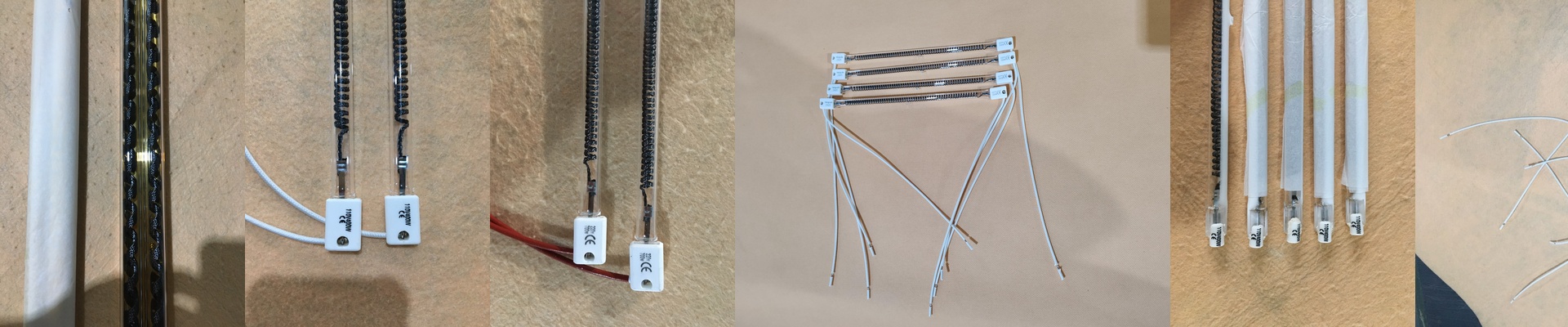
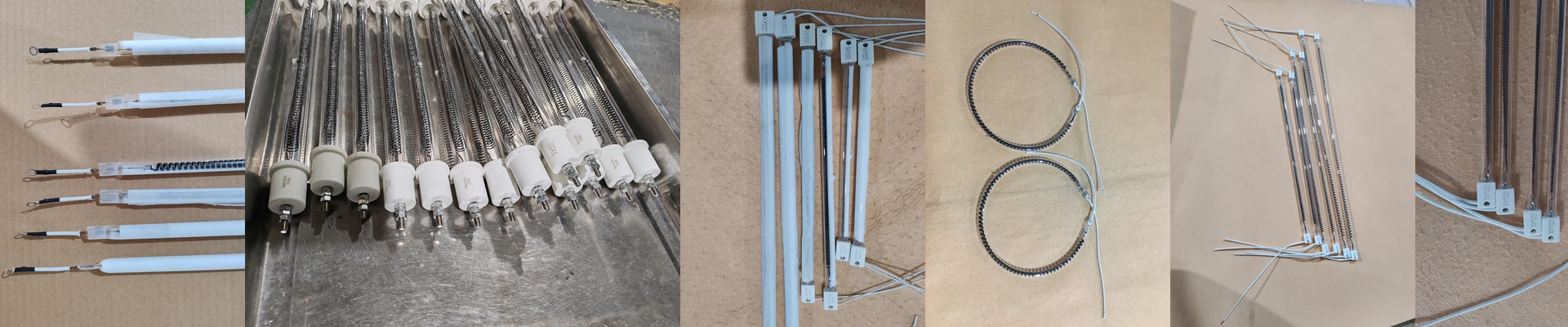
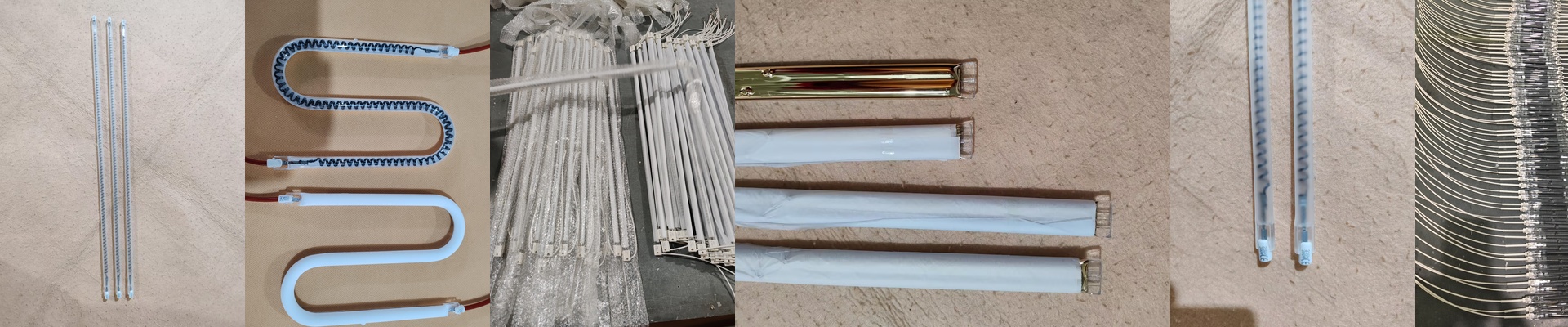
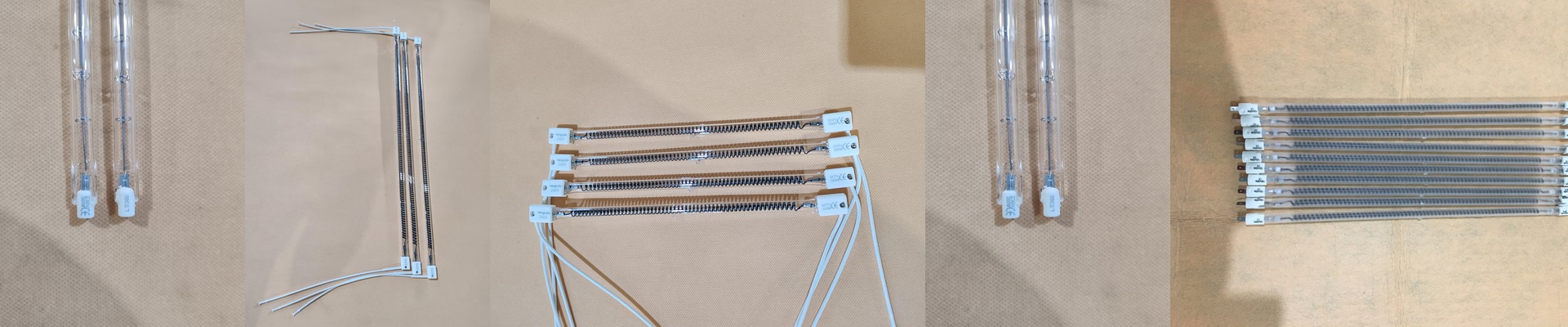
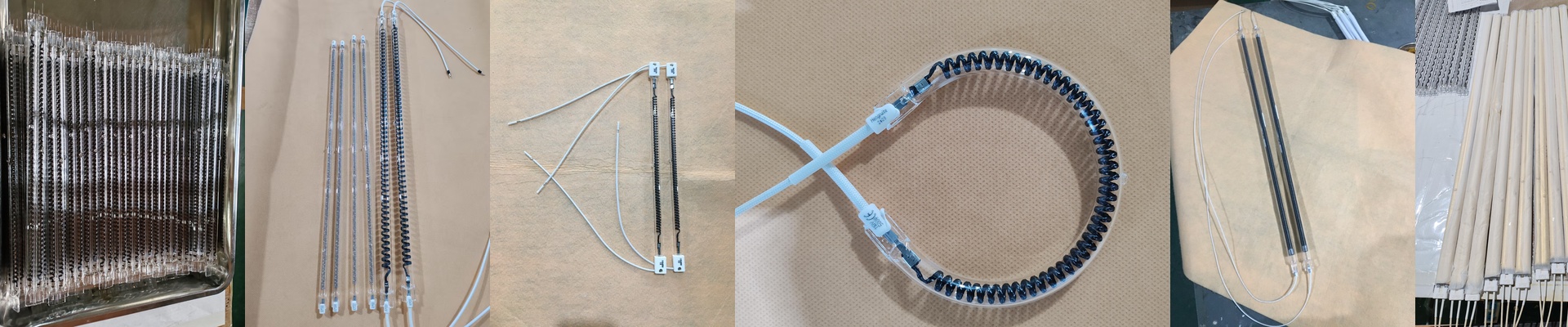
If you’ve ever worked with label printing, you know the struggle. You need enough heat to flash-dry the ink, but not so much that you end up scorching your material. It’s a delicate balance. When it comes to finding spare parts for your Sulfet machines, a “generic” lamp is usually a recipe for disaster. You don’t want something that almost fits. You need a part that drops right in and matches the electrical and thermal profile your machine was built for. The heat factor It all comes down to the wattage-to-length ratio. High-wattage quartz tubes are great for evaporating solvents fast, but there’s a catch. If you put a lamp with too much power into a housing that can’t handle it, you’re going to overheat your reflector or—even worse—melt your conveyor belt. We build our lamps to hit the exact voltage your Sulfet setup expects. It keeps things stable and stops your tubes from burning out way too early. Built to take a beating We use high-purity quartz glass because these things go through a lot. Constant heating and cooling can crack cheap glass. Plus, the halogen gas fill we use keeps the filament strong, so the lamp lasts longer. And then there’s the connection. We stick with industrial standards like R7s or SK15. Why? Because a loose fit is a nightmare. A tiny gap in the connection creates a hot spot, and before you know it, you’ve melted your socket. A quick reality check We get these infrared lamps to you fast because we know that downtime is expensive, especially when you’re shipping across borders. They slot right into the Sulfet drying tunnel without any fuss. But here’s the thing: if you crank up the heat to speed up your production line, you’re putting a lot more pressure on your exhaust system. If you push the lamps to the limit, your ventilation has to be able to clear those solvent vapors immediately. Otherwise, you’re looking at a fire hazard. We provide the heat. Just make sure your airflow can keep up.