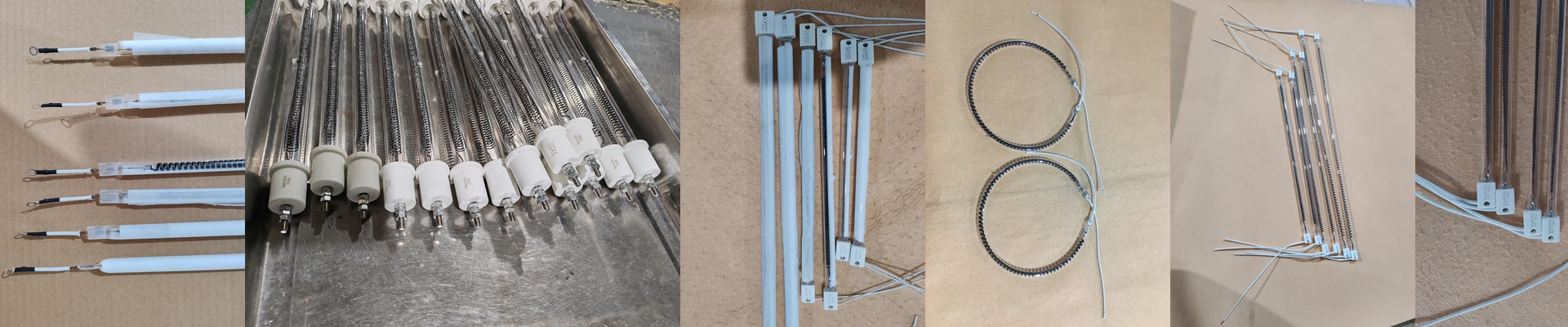

Let’s Talk About Carbon Infrared Heaters
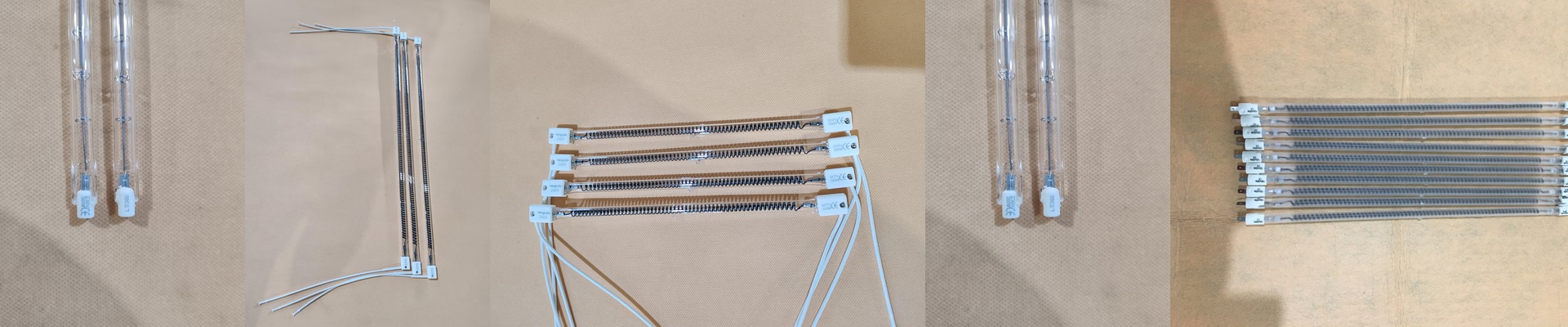
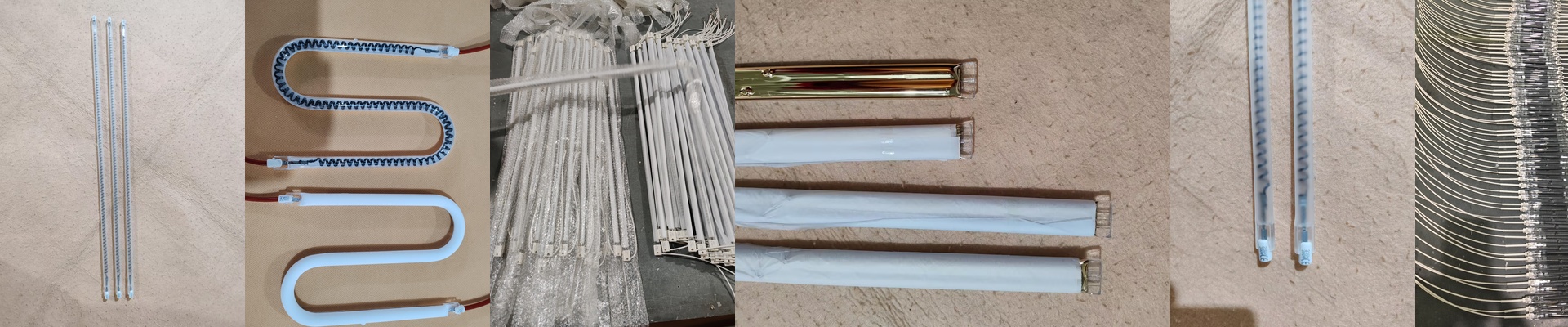
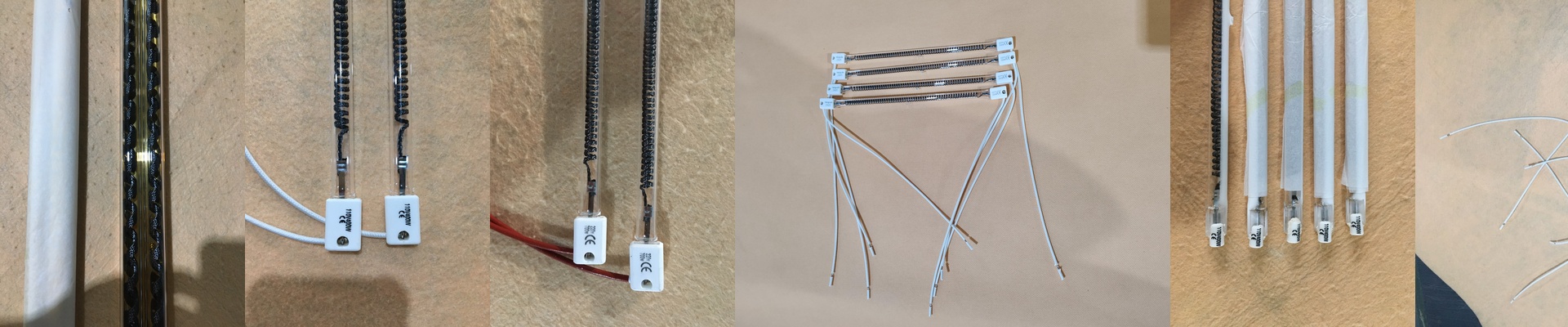
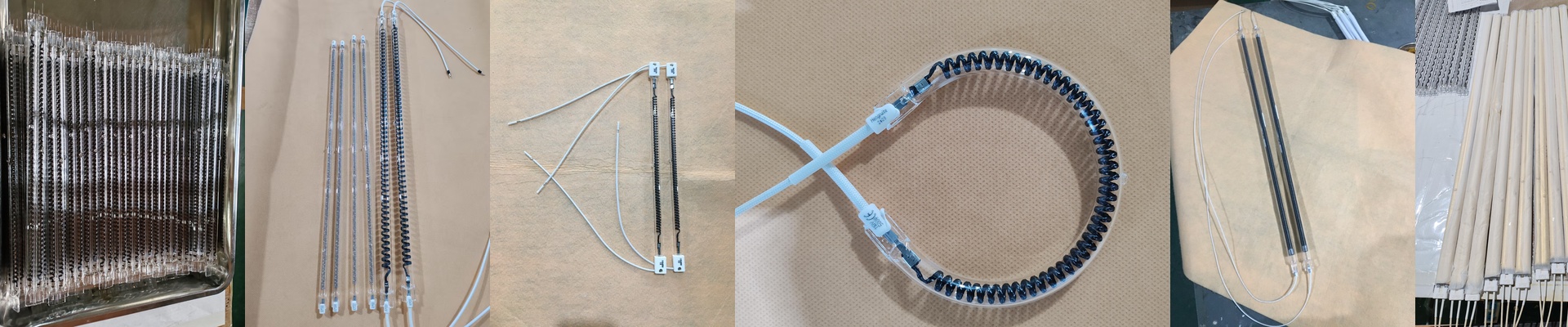
If you’ve used standard quartz lamps, you know the drill. But carbon heaters are a different beast. Instead of a basic coil, we use a carbon fiber filament tucked inside a quartz tube and filled with halogen gas. Why bother? Because it changes how the heat actually hits your target. It’s denser. It’s faster. You aren’t just waiting around for things to warm up; the heat just hits. Getting the Power Right Here is the thing about voltage and wattage: they’re everything. If you’re doing something like PET blowing or curing paint, you need that rapid ramp-up. You can’t afford to lag. But you’ve got to be precise with your power supply. If you run the lamp under-voltage, the heat just won’t penetrate the material. On the flip side, if you push too much voltage?**Snap.**Your filament is gone in an instant. The Build and the Hookup The quartz tube is there to keep the carbon core from oxidizing. We often coat these tubes to bounce the heat forward. It keeps the energy focused on your workpiece instead of heating up your machine frame and wasting power. As for the wiring, we stick with R7s or Sk15 connectors. They’re simple. They click into place and stay there, even when the metal expands and shrinks as it heats up and cools down. It just works. Real-World Setup The best part? These are usually drop-in replacements for your old IR systems. You get the same heat output but in a smaller package, and your pre-heat times basically vanish. Just a heads-up on maintenance. These filaments are intense, and they’ll chew through a bad reflector. If your reflectors are dirty or pitted, you’re throwing away a huge chunk of your heat. And for heaven’s sake,**keep the glass clean.**One fingerprint or a smudge of oil can create a hot spot, and that’s how you end up with a cracked tube. Keep it spotless, and it’ll treat you right.