
Keeping Your Tunnel Oven from Losing Its Cool
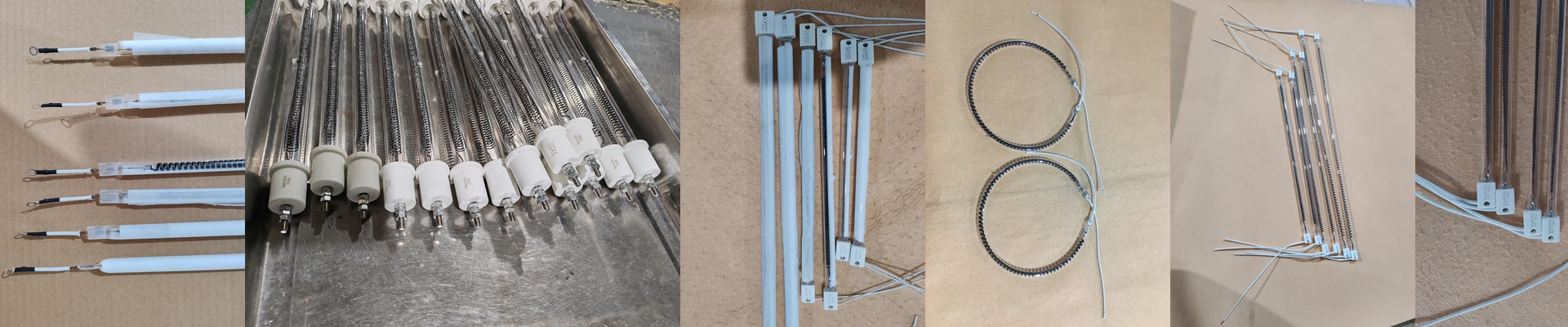
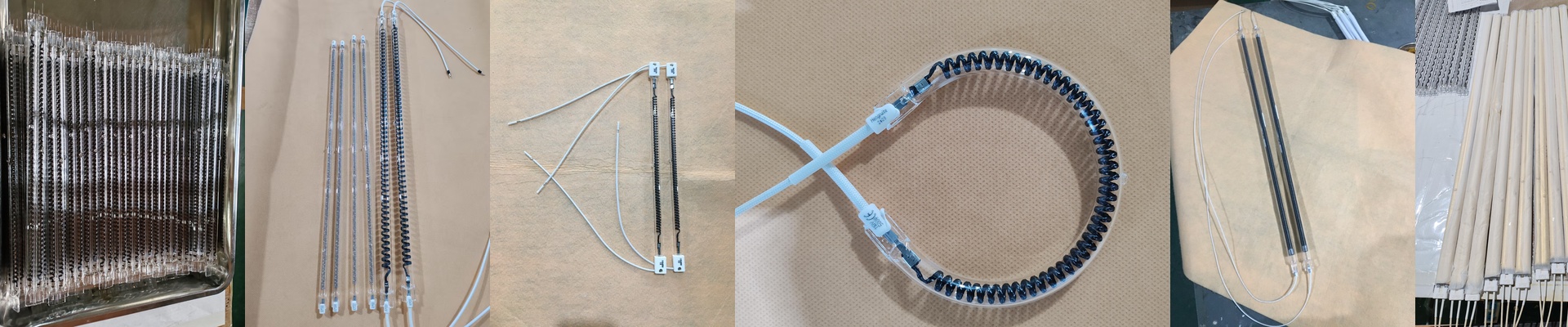
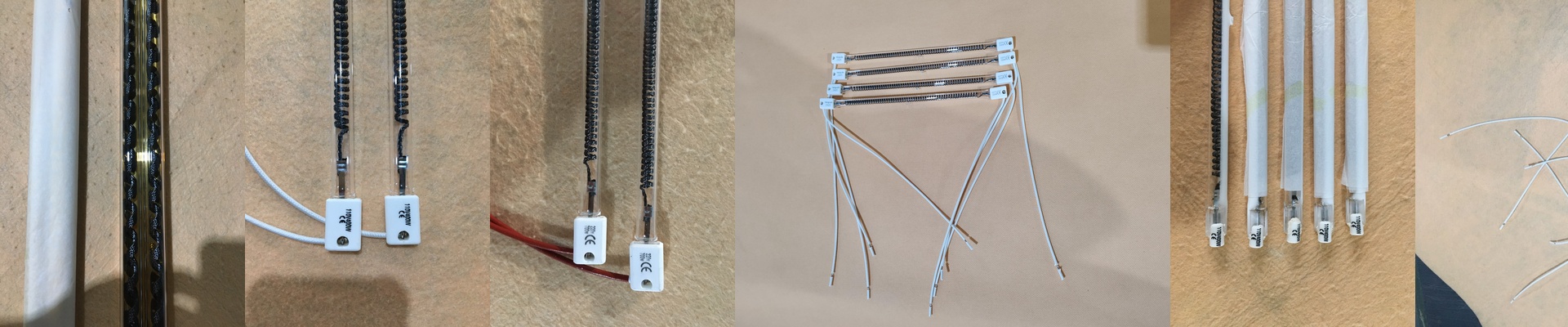
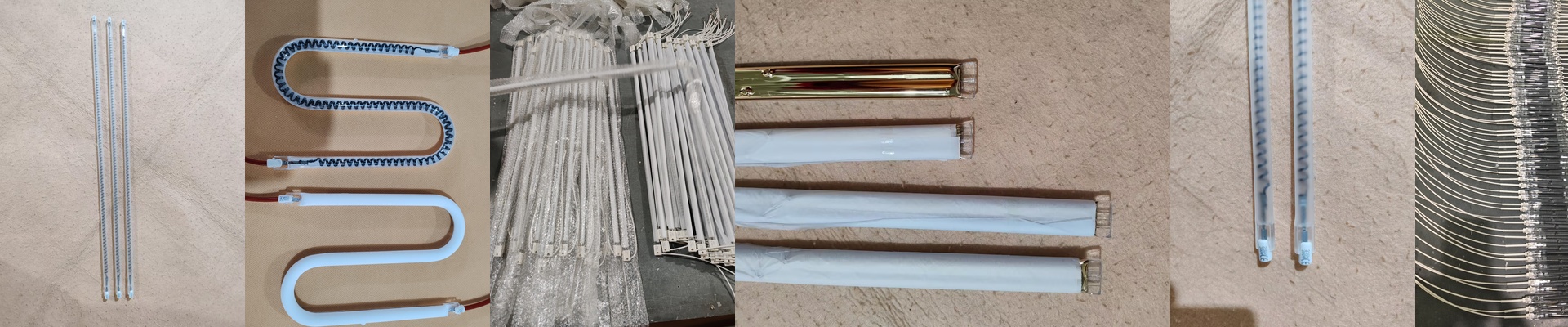
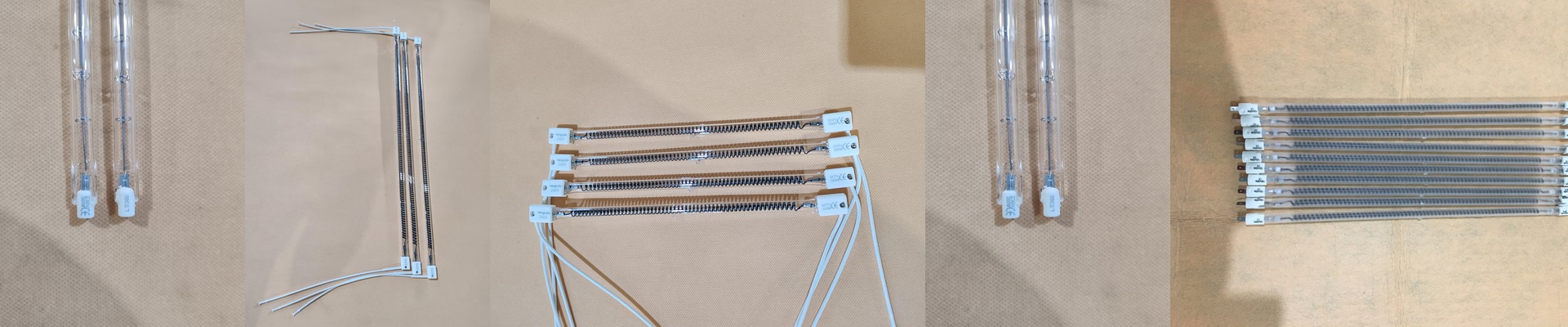
If you’ve ever run a long-distance tunnel furnace, you know the struggle. It’s a constant fight. You’re battling heat loss on one end and voltage drops on the other, and if you aren’t careful, your temperature profile just falls apart. For those of you using Adelco-style curing lines, we lean on 200V-240V flash lamps. Why? Because they hit the target with high-intensity short-wave radiation. There’s no waiting around for the air to warm up like you get with convection systems. It just works. The deal with voltage We stick to that 200V-240V range because it plays nice with standard industrial grids. Here’s the thing: when you’re wiring up long banks of heaters, low voltage is your enemy. If the voltage dips by the time it reaches the end of the line, your cure rate tanks. It’s that simple. By keeping the wattage density high, we make sure the infrared energy punches through the substrate fast, no matter how quickly your conveyor is moving. Built for the grind These lamps aren’t delicate. We use a quartz envelope so they can handle the shock of being switched on and off rapidly. We also spent a lot of time on the filament geometry. We wanted to kill off those “hot spots” that usually chew through a lamp and cause it to burn out early. Plus, that 200V-240V setup keeps the electrical load steady. Your power supplies aren’t sweating or fighting constant fluctuations. A few things to watch out for These are designed to be easy, drop-in replacements for Adelco heating zones. They don’t take up much space and they react instantly. But there is a catch. High-density short-wave lamps gethot. Really hot. If your exhaust system isn’t strong enough to pull that ambient heat away from the housings, you’re going to warp your reflectors. It’s a headache you don’t want. Just make sure your cooling fans are cranking at full capacity to keep your electrical connections from frying. And a pro tip: if you match the lamp’s spectral output to the specific chemistry of your coating, you can actually shorten your tunnel. You’ll save on your power bill and get your product out the door faster.