
Getting Your Adelco Tunnel Ovens to Actually Behave
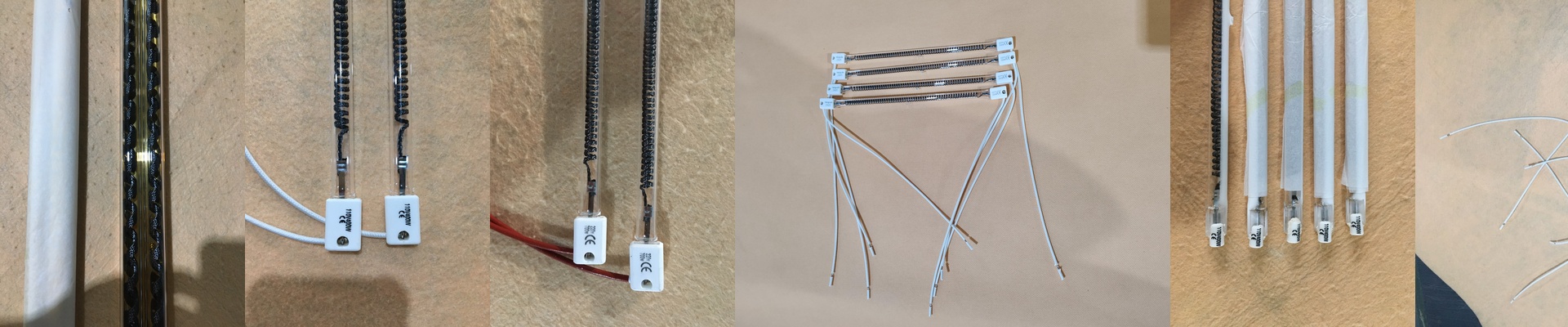
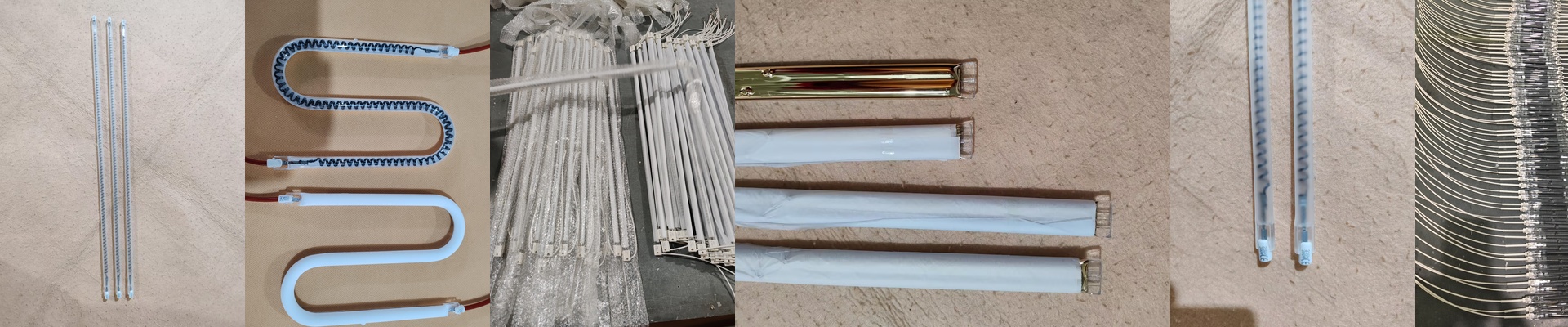
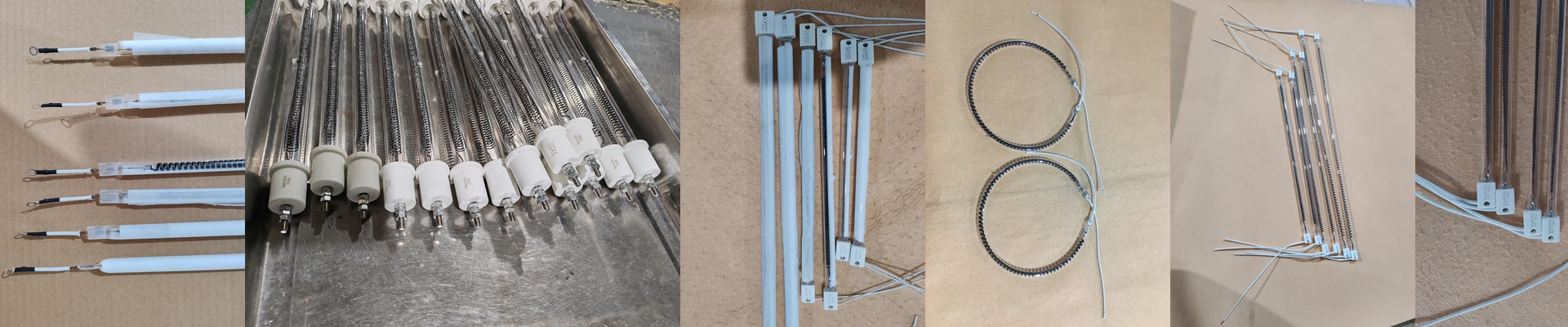
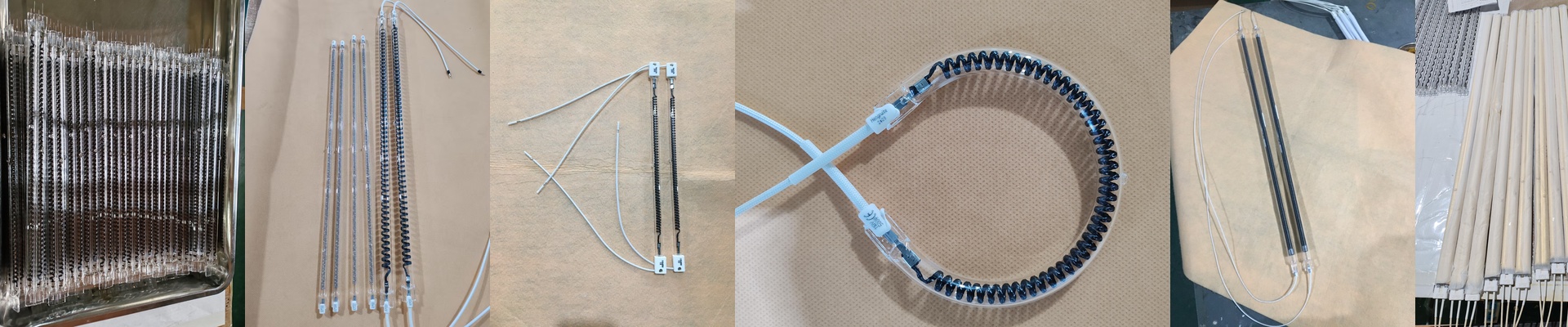
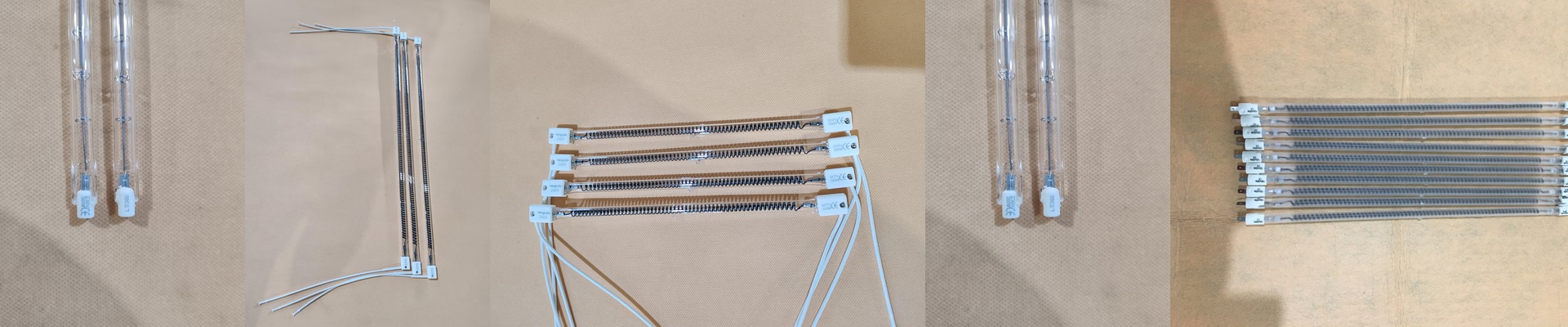
If you’ve ever worked with plastisol ink, you know the drill. You need heat—and you need it fast—to get that flash cure just right without accidentally scorching your fabric. But when you’re running a long tunnel oven like an Adelco, the real headache isn’t just getting the heat; it’s keeping it steady from one end of the conveyor to the other. That’s where our IR lamps come in. We build them specifically for these high-stress, non-stop environments. The secret to the heat To get the temperatures you need in a tunnel setup, we use short-wave quartz emitters with some serious wattage. These lamps don’t just warm things up; they punch through the ink layer almost instantly. For Adelco systems, we pay a lot of attention to the voltage-to-wattage ratio. Why? Because we don’t want your filaments burning out every other week. By using a higher voltage, we can keep the lamp size small while still pushing out a ton of heat. Just a heads-up: keep an eye on your power supply. Voltage spikes in those long tunnels are lamp-killers. Built to take a beating We use heavy-wall quartz glass to wrap the tungsten filament. It keeps the oxidation away and, more importantly, stops the lamp from snapping when the conveyor line starts vibrating. We also made sure the connectors are a direct fit. You can just pop the old one out and slide the new one in. No rewiring the whole rack, no wasting an afternoon on a simple swap. And if you’re worried about heat bouncing back into the oven housing, we’ve got coated emitters that shift the spectrum to keep things cooler where they need to be. The trade-off Here’s the catch: high-density IR lamps put out a massive amount of heat. It’s great for the ink, but it’s a lot for your exhaust system to handle. If your ventilation isn’t pulling that ambient heat away fast enough, you’ll notice “temperature creep.” That’s when your ink starts discoloring because the oven is just too hot. The trick is to find that sweet spot between your belt speed and the lamp intensity. Don’t over-cure it. Just get it right and let the machine do the work.