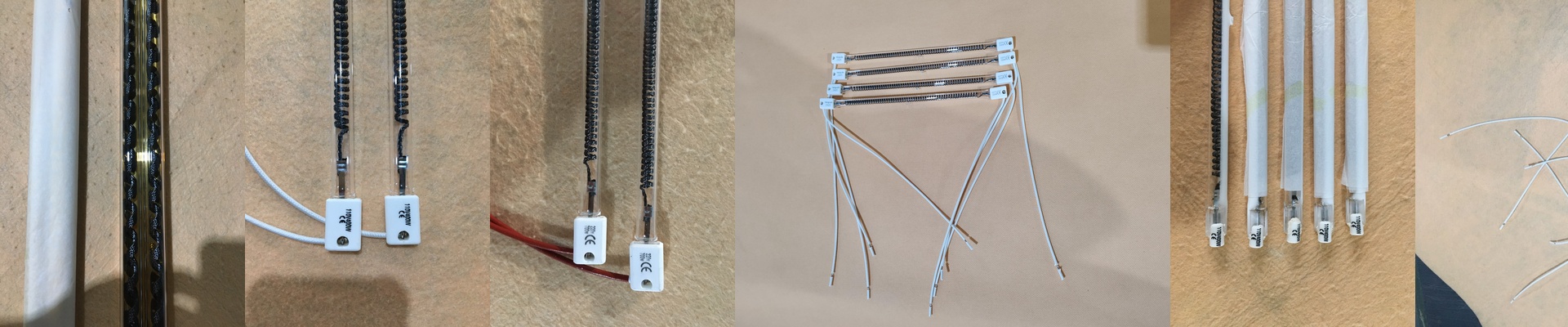
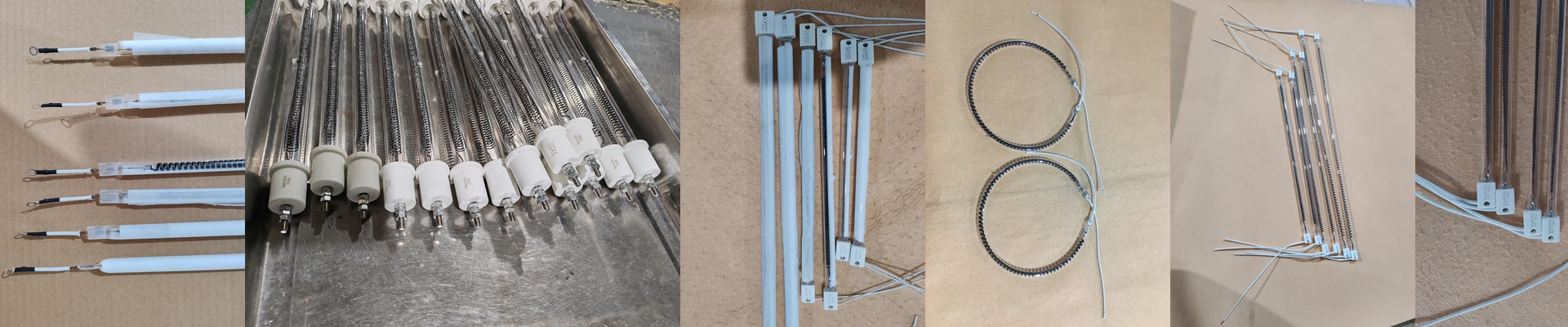
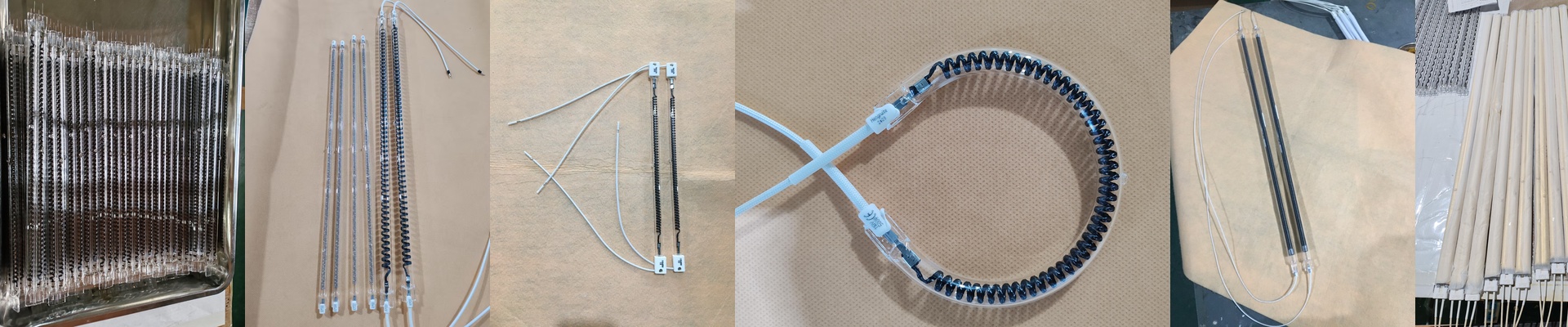
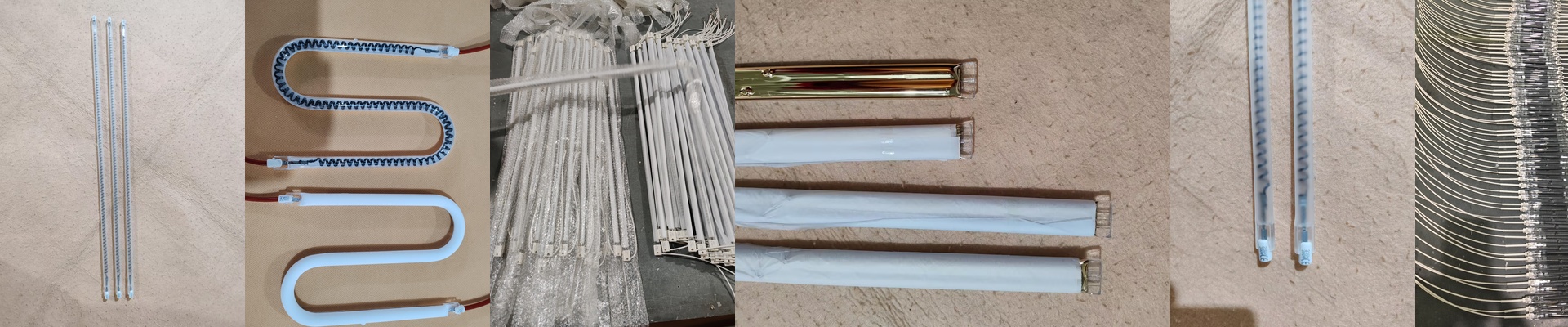
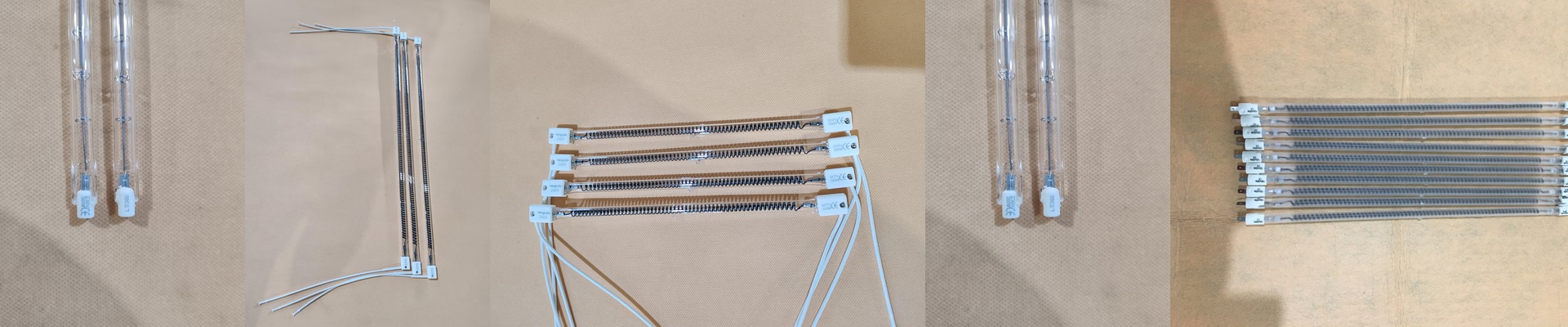

Getting Your Flash Dryers to Actually Work
If you’re running an automatic screen printing line, you know the drill. You need that ink set now. If the flash dryer doesn’t hit the surface with enough heat, instantly, you’re looking at bleeding and smeared prints on the next pass. It’s a nightmare. We build our infrared lamps to hold up against the same heavy-duty standards as those big-name European or American machines. This isn’t about a fancy logo on the box. It’s just basic physics—getting the right amount of heat exactly where it needs to be. The secret is in the glass. To get a true “flash” cure, you have to cram a lot of wattage into a small space. That creates a massive amount of thermal shock. If the quartz glass is cheap or impure, the tube will cloud over or just snap under the pressure. We use high-grade quartz and a specific filament alloy that doesn’t quit. You shouldn’t have to worry about your heat output dropping off after a month of running 24/7. It just stays hot. Fit matters. There’s nothing worse than a replacement part that “almost” fits. We use standard industrial connectors so these just drop right in. Whether you’re dealing with a bayonet mount or a slide-in bracket, the fit has to be tight. Why? Because any gap in the reflector housing is just wasted energy. It creates those annoying hot spots on your garments that ruin a good print. We obsess over the length of the heating element so the heat spreads evenly across the whole platen. A quick heads-up on your power. Here’s the thing: high-output lamps are great for speed, but they’re hungry for power. If you’re swapping to higher wattage tubes to shave a few seconds off your cycle time, please check your wiring and breakers first. These lamps pull a lot of current. If your power supply is shaky, you’ll burn through your filaments way faster than you should. We build our lamps to take a beating, but they still need a steady diet of electricity to do their job.