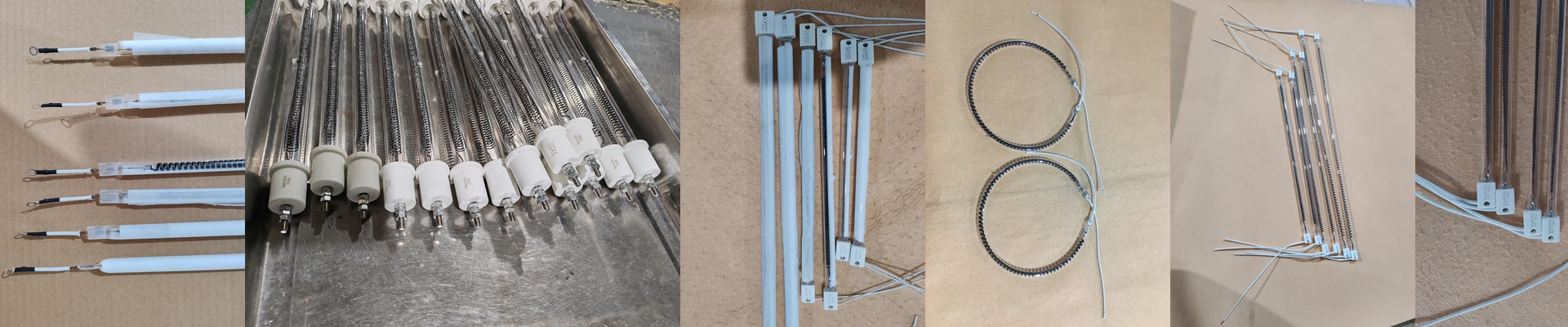
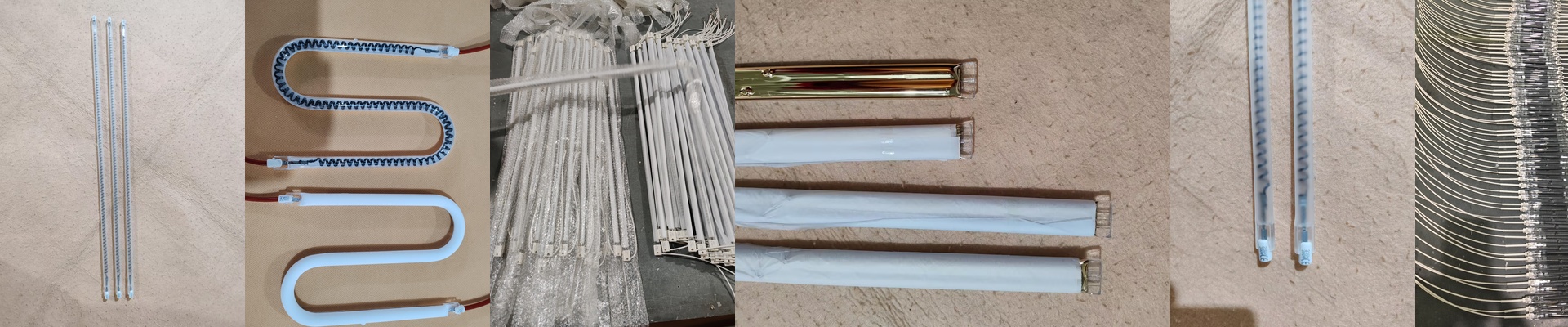
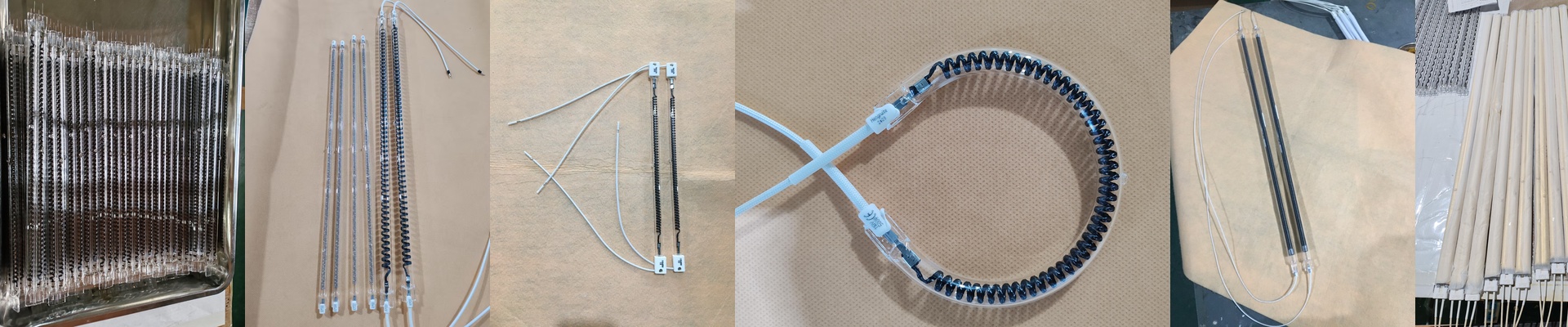
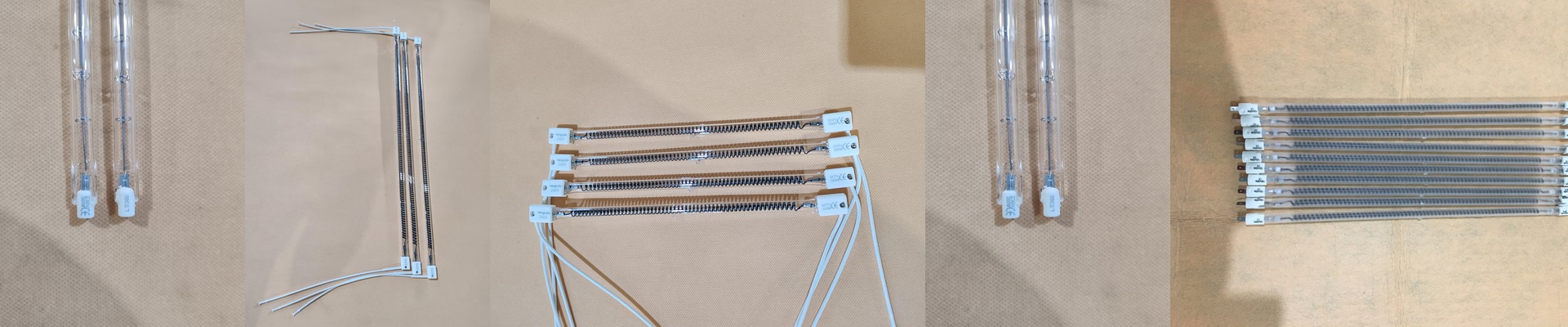
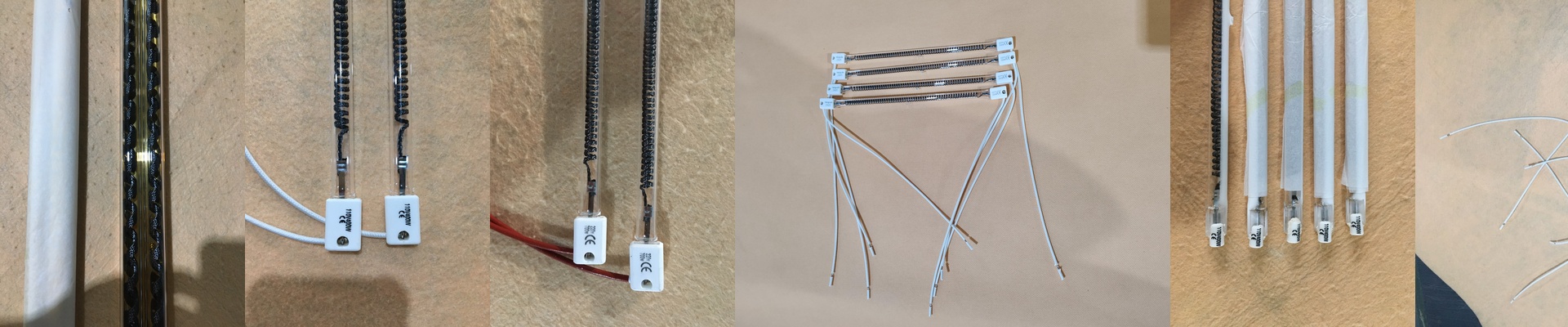

Getting the Most Out of Carbon Fiber Quartz Heaters
If you’re used to standard nichrome wire heaters, switching to carbon fiber is a bit of a shift. Instead of a metal coil, we tuck a carbon fiber filament inside a high-purity quartz tube. The result? The heat hits different. It concentrates energy in a way that cuts through materials much faster than the old-school elements ever could.
Let’s talk power and voltage
We build these things to handle heavy loads. When you’re picking your specs, remember that the relationship between voltage and length is what actually controls your heat flux. If you run a higher voltage through a shorter tube, you get a smaller footprint but keep all the wattage. It’s great for getting things up to temperature almost instantly. But here’s the catch: when you cram that much power into a small amount of quartz, the glass gets stressed. A sudden blast of cold air or a clumsy bump can cause thermal shock. Just be mindful of that.
Why carbon and quartz?
One of the best parts about carbon fiber is that it doesn’t really care about extreme heat. Unlike metal, it doesn’t sag or warp when things get glowing hot. It stays put. Then there’s the quartz. We use it because it lets the IR radiation pass through without wasting energy. Depending on what you’re heating, you can go with clear quartz if you need that deep, shortwave penetration, or a coated version if you just need to heat the surface. On the electrical side, we usually stick with R7s or Sk15 connectors. They’re basically plug-and-play for most industrial setups. More importantly, they fit tight. You don’t want loose wiring in a high-vibration environment—that’s how you get arcs, and nobody wants that.
Real-world use (and a few warnings)
You’ll see these lamps all over the place for PET blowing and curing plastics. They hit target temps in seconds. It’s incredibly efficient. But keep in mind: carbon fiber is brittle. It’s not like a metal wire that you can bend. If your machine frame shakes or vibrates too much, the filament will just snap. **Check your mounting brackets.**Make sure everything is rock solid before you flip the switch.