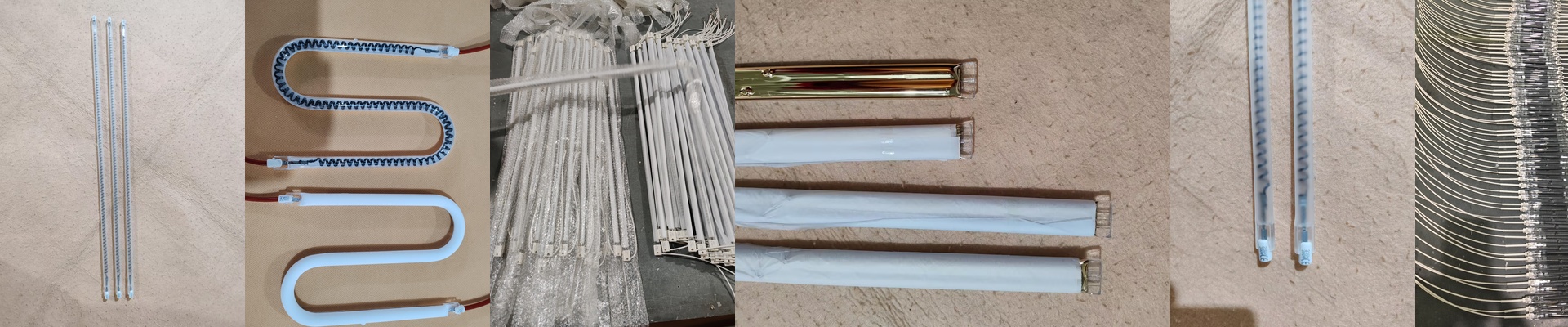

Getting the Most Out of Your Carbon Infrared Heaters
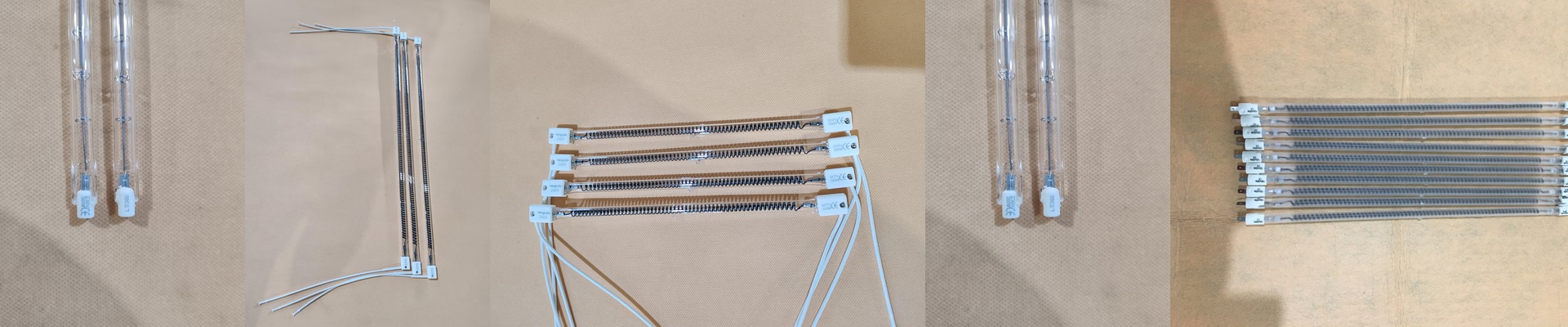
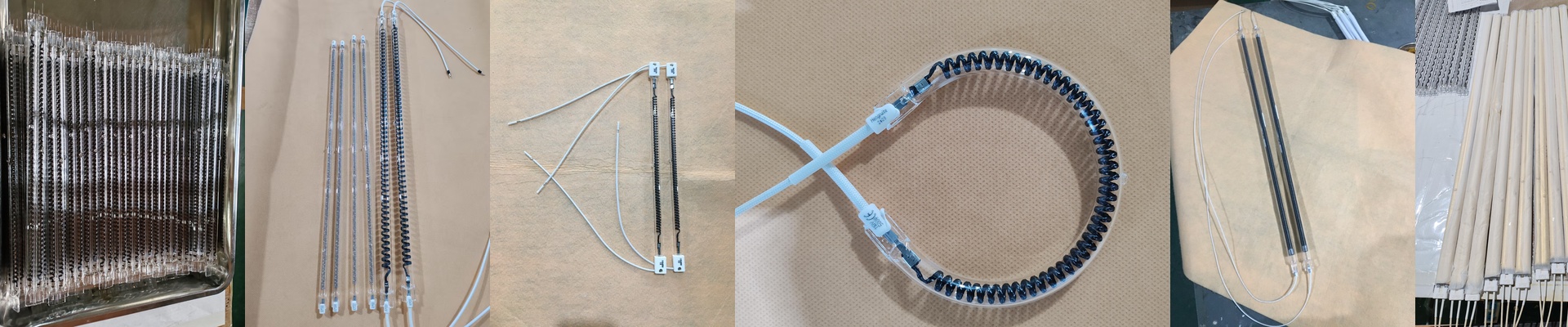
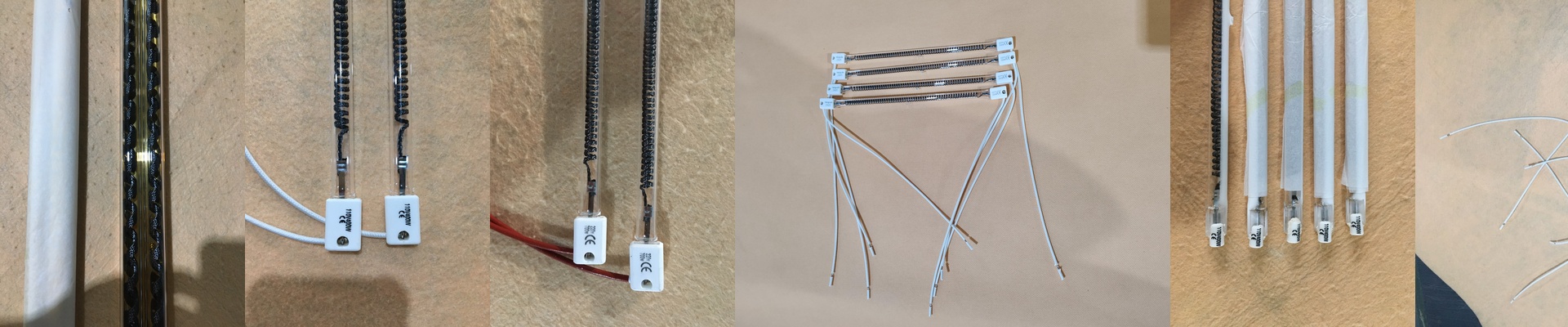
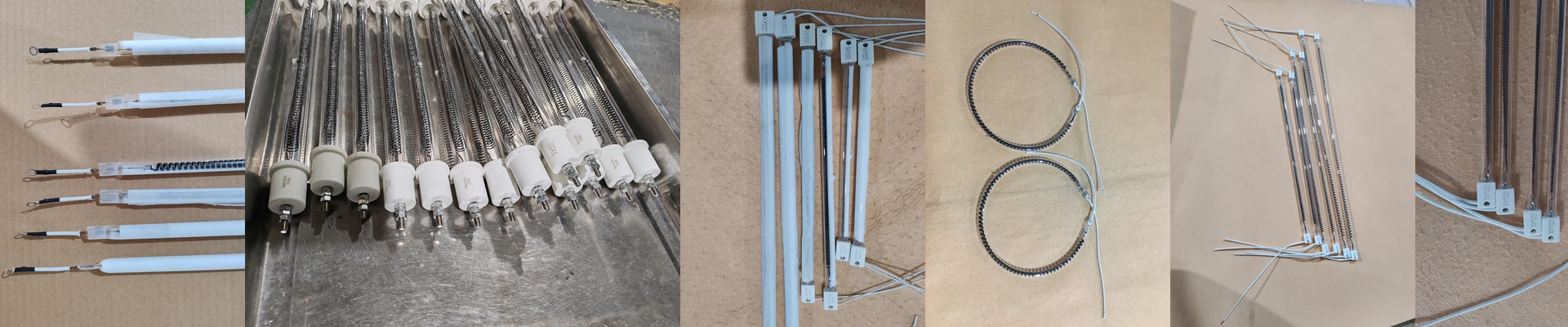
If you’ve used standard quartz lamps, you know the drill. But carbon heaters? They’re a different beast entirely. Instead of relying on a tungsten filament, we use carbon fiber. Here’s why that actually matters for your project: it pushes out a broader spectrum of infrared radiation. It hits those mid-to-long waves that standard lamps just miss. So, if you’re working with materials that usually resist shortwave heat, these are your best bet. Let’s talk power. When you’re picking your voltage and wattage, you’re basically deciding how fast you want to hit your target temperature. High-wattage units are fast. Really fast. But there’s a catch. If you cram these into a tight space and run them full blast, you’re going to fry your wiring. It happens. Just make sure your fans and vents are actually up to the task of hauling that extra heat away. The build quality We wrap the carbon element in high-purity quartz. Sometimes we add a special coating to tweak the heat spectrum or keep the element from oxidizing. For the plugs, we stick with R7s or Sk15 connectors. Why? Because they’re the industry standard. When a lamp finally gives up the ghost, you can just pop a new one in and get the line moving again. No one likes a dead production line. Real-world use You’ll see these everywhere—PET blowing, paint curing, drying lines. They’re perfect for when you need the heat to soak deep into a material without scorching the top layer. We build these to be tanks. They can handle 24/7 production without breaking a sweat. Just do me a favor:**keep the quartz tubes clean.**Dust is the enemy here. It creates hot spots on the glass, and that’s how you get a premature failure. Also, keep your power source steady. A big voltage spike is the quickest way to snap a carbon filament, and that’s a headache you don’t need.