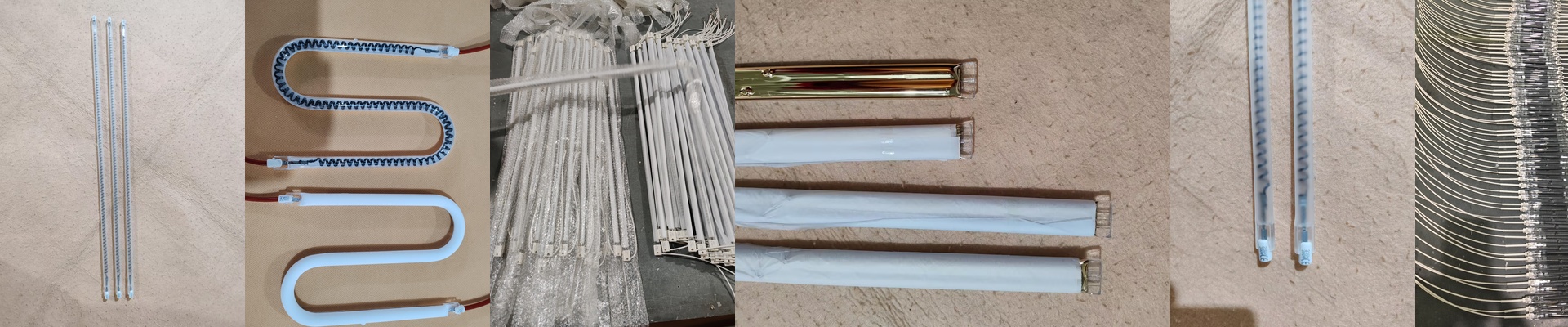
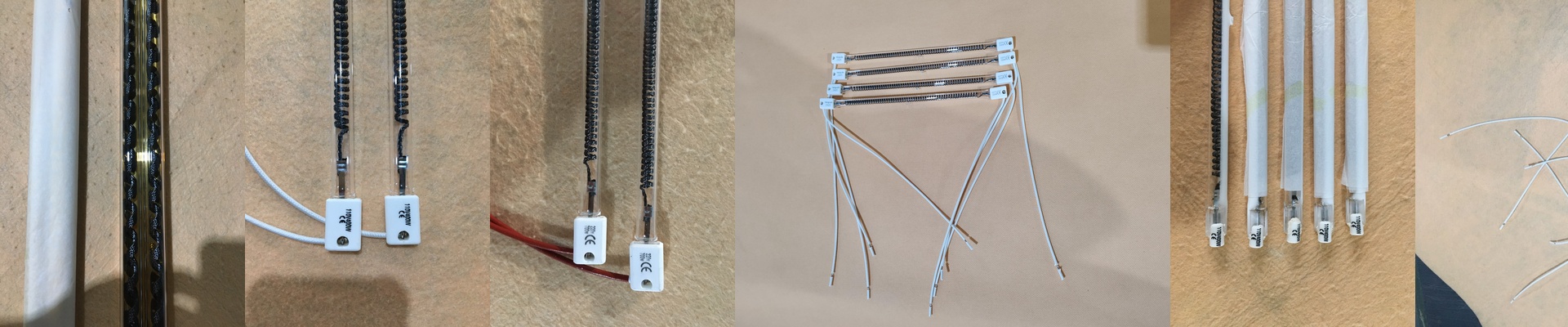
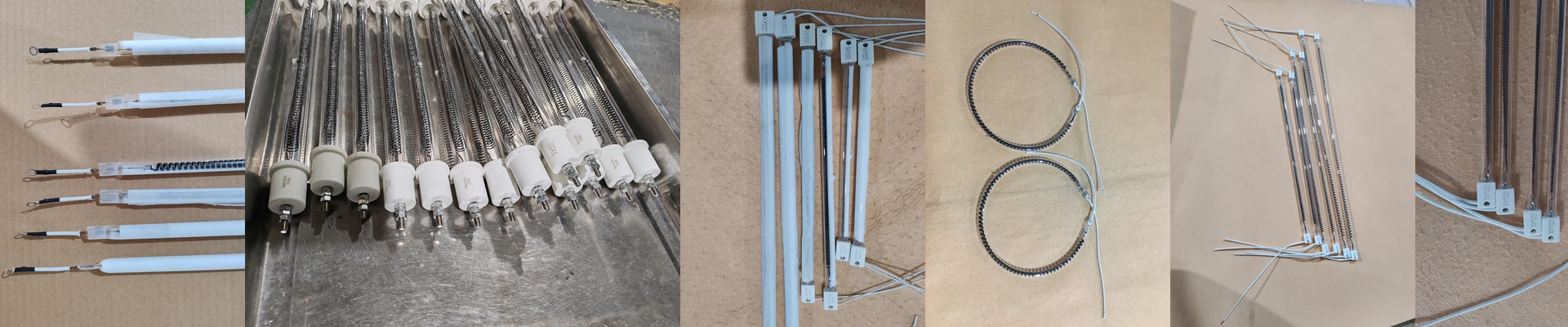
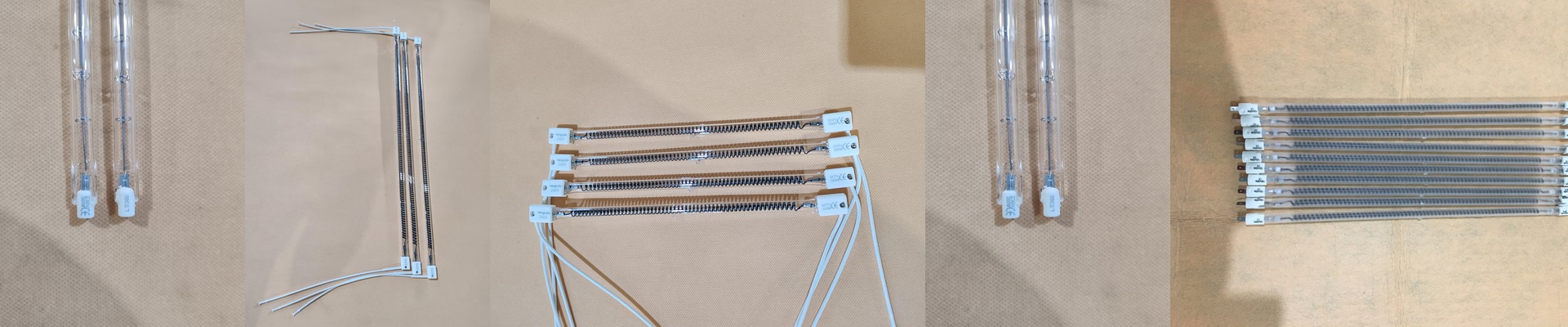
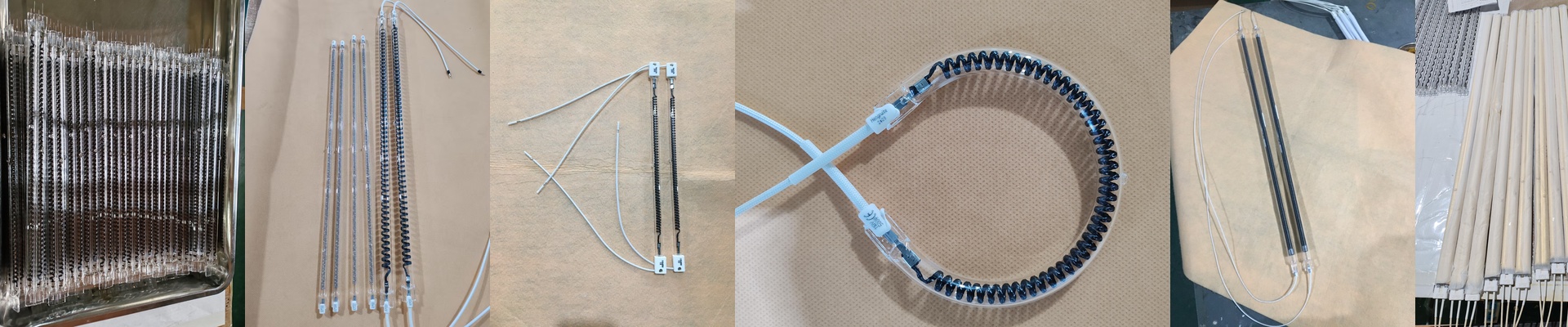

Getting the Most Out of Our 1000W Carbon Fiber Heating Tubes
We built these tubes to hit that sweet spot. You know the one—right between a basic quartz lamp and those overkill, high-intensity emitters. At 1000W, you get a punchy heat density that warms surfaces fast, but you aren’t pulling enough power to trip your breakers or run a full-blown industrial furnace. The heat is fast. Really fast. Because we use carbon fiber filaments instead of tungsten, these tubes can handle a lot more current. For you, that means the ramp-up time is almost instant. You hit your target temperature in seconds, not minutes. But here’s the catch: they’re a bit picky about power. If your power supply is jumpy or has voltage spikes, you’ll burn through the filament way too quickly. Keep your power stabilized, and these things will last. What’s actually inside? It’s a carbon fiber core tucked inside a shell of high-purity quartz glass. The glass isn’t just for protection; it stops the carbon from oxidizing and burning up. We also add a special coating to the glass. This helps the heat actually soak into your material instead of just bouncing off the surface like a mirror. As for the ends, we know every setup is different. Whether you need a press-fit or something threaded, we’ve got you covered. The main goal is a rock-solid electrical connection that won’t spark or wiggle when the metal expands from the heat. Putting them to work If you’re doing PET blowing or shrink-wrapping plastics, these are your best friend. The 1000W output is just right for medium-sized molds. And if you need more punch? Just wire a few of them up in parallel to create a heating bank. One thing to watch out for: the heat is very directional. If you mount the tube too close to your workpiece, you’ll end up with hot spots that can ruin your part. You’ll want to play around with your reflector angles to spread that infrared energy evenly. And please, don’t forget the ventilation. If you’re running these for hours on end, you need airflow, or you’re going to melt your sockets.