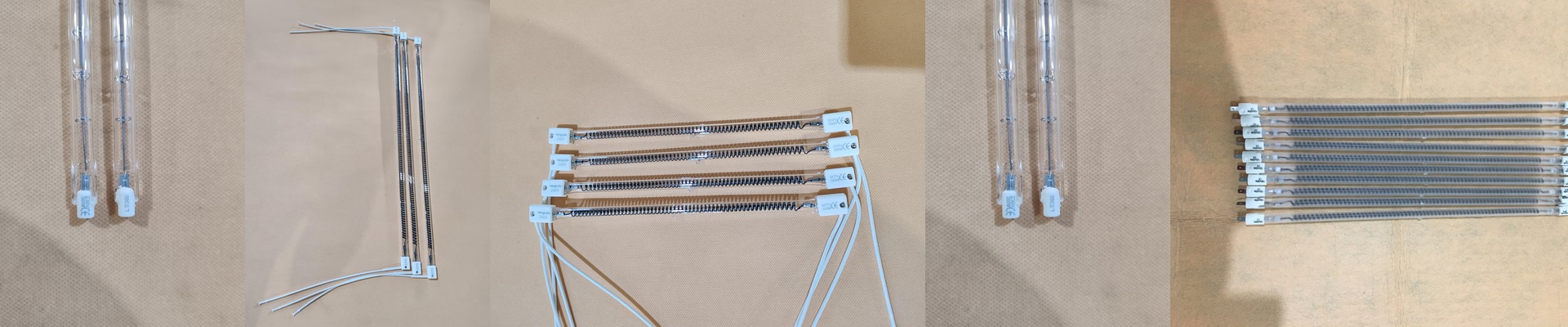
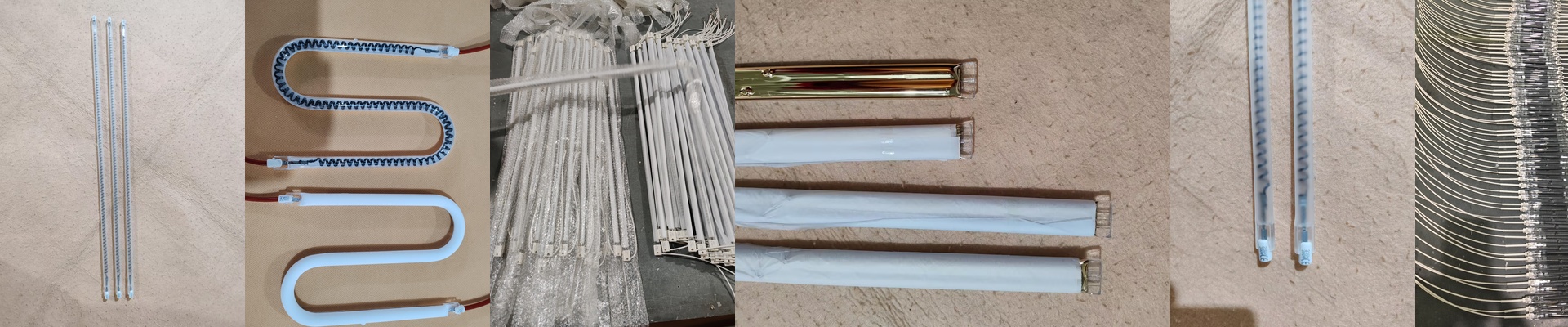
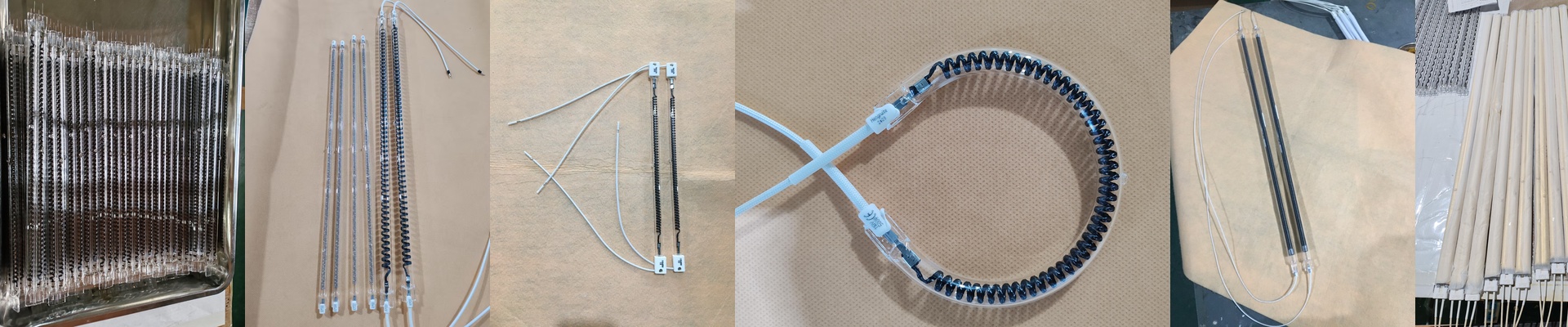
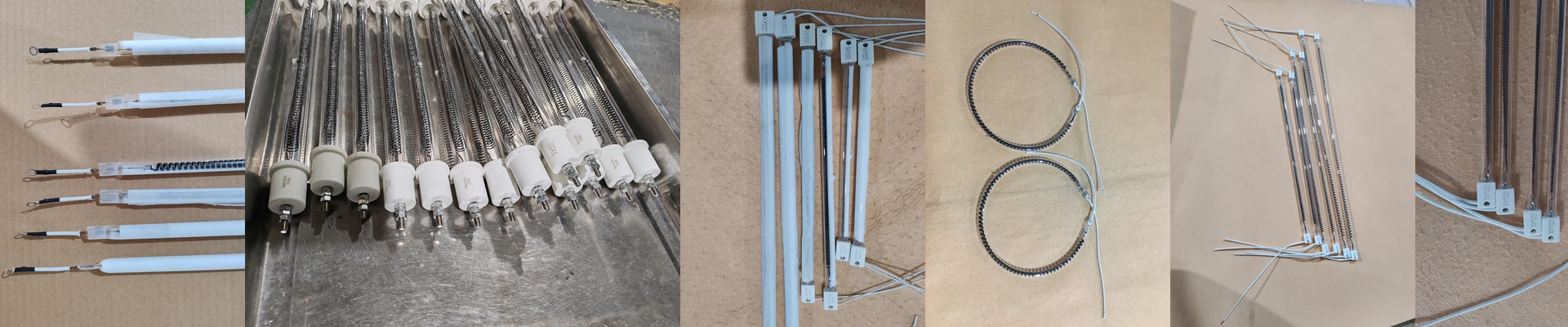
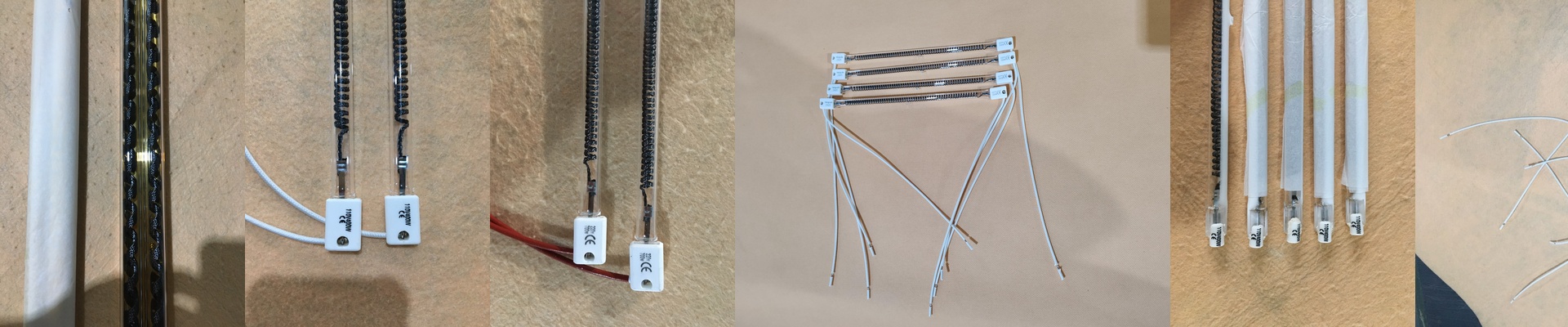

Let’s Talk Carbon Fiber Medium Wave IR
Most people are used to those old-school tungsten coils for heating. But we’ve moved away from that. We use carbon fiber heating elements instead. Why? Because there’s a sweet spot in heating. Short-wave lamps are fast, but they don’t go deep. Far-infrared ceramics go deep, but they take forever to warm up. Our carbon fiber lamps hit that middle ground. You get the depth you need without waiting around for the machine to get up to speed.
How it actually works
Think of a standard wire filament. It’s thin, which means it gets incredibly hot in one tiny spot. That’s how you end up with “hot spots” that ruin your parts. Carbon fiber is different. It spreads the heat across a wider area. Plus, it puts out radiation in the 2.0 to 4.0 micron range. That might sound like technical jargon, but here is what it actually means for you: the heat doesn’t just bounce off the surface of your polymers or coatings. It sinks in.
Putting them to work
We wrap these elements in high-purity quartz glass. If we didn’t, the carbon would oxidize and just… disappear. If you’re swapping these into an old system with halogen tubes, they usually fit right in. But heads up: they don’t behave the same way. Carbon fiber has different thermal inertia. They hit their target temperatureway faster. One thing to watch out for? Your wiring. If you’re packing these into a high-density bank, keep a close eye on your amperage. High-wattage tubes pull a lot of power, and they can put a real strain on your contactors.
The reality of the shop floor
Look, these things live in tough environments. The carbon fiber inside is steady as a rock, but that quartz glass? It’s fragile. One clumsy move during a tool change and you’ve got a cracked tube. It happens. You also have to find the right balance with your conveyor speed. These lamps pump out a massive amount of energy. If your belt is moving too slowly, you’ll scorch the surface of your part before the middle even gets warm. And since these react so much faster than tungsten, you’ll probably need to tweak your PID controllers. Give them a little calibration, and you’re good to go.