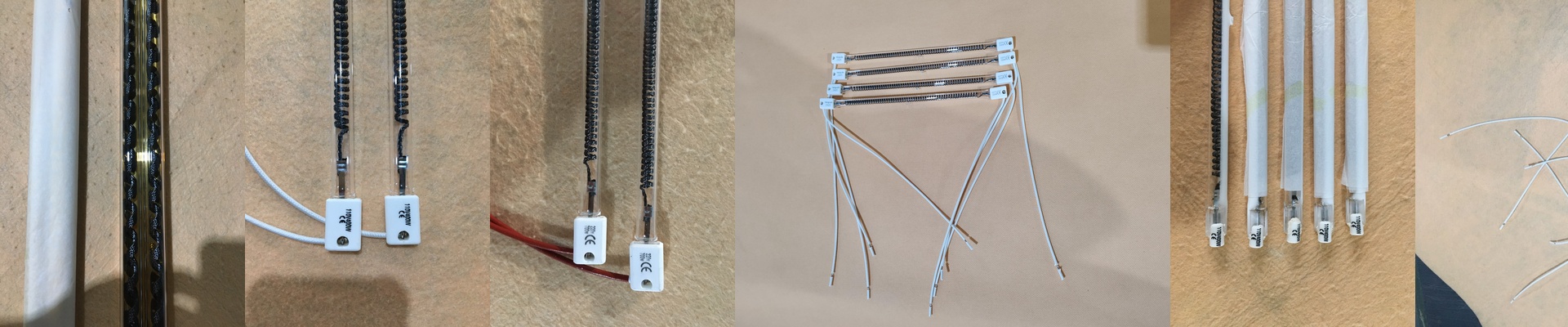

Let’s talk about Carbon Infrared Heating
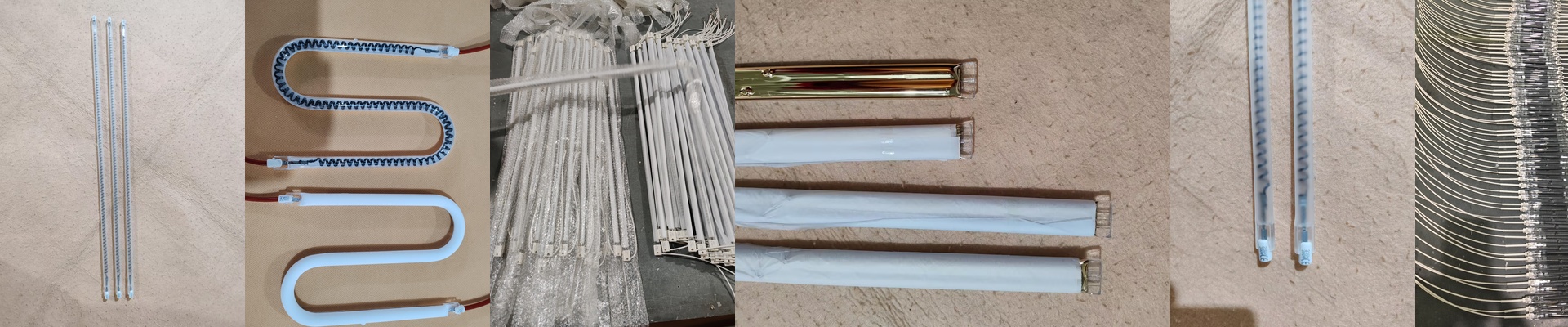
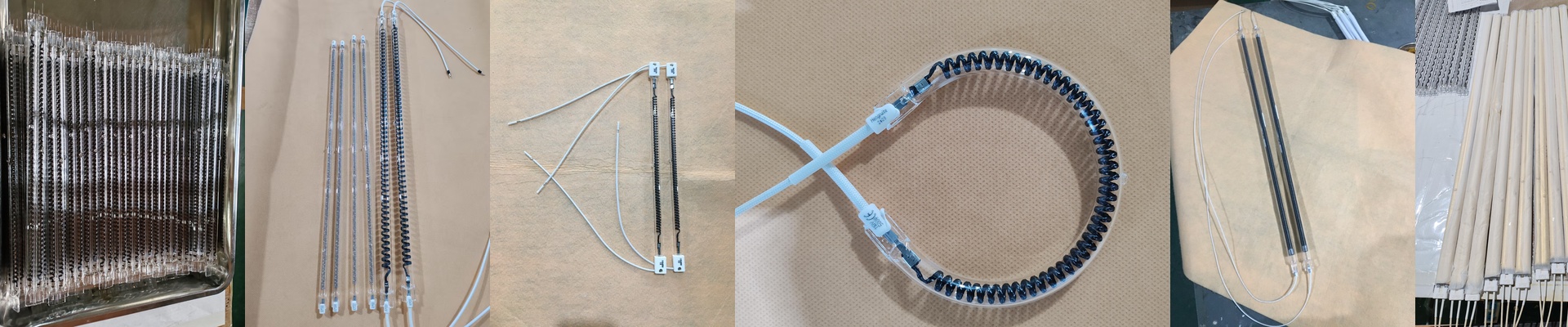
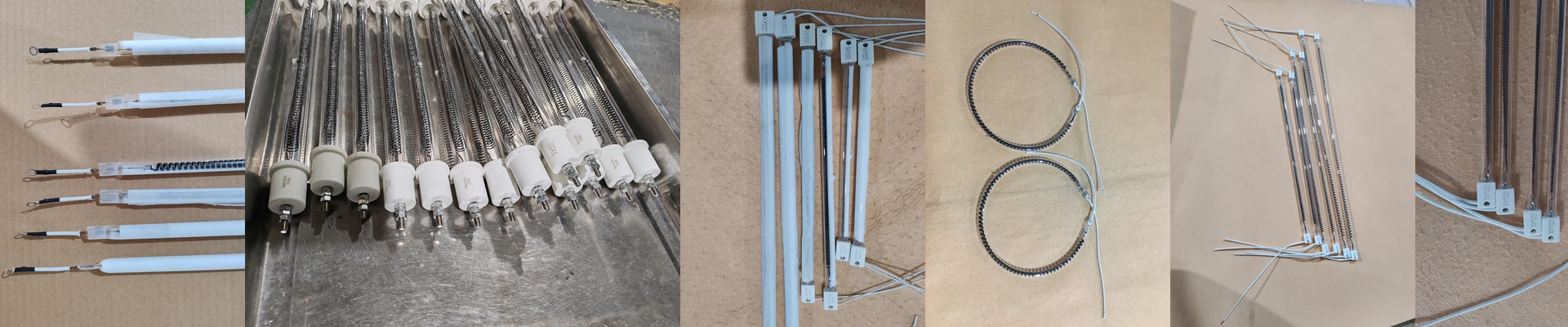
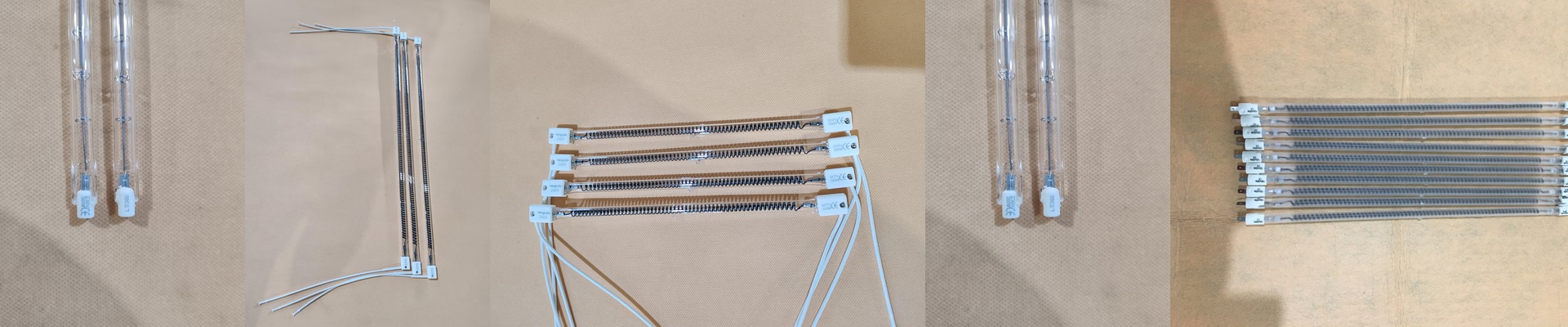
If you’ve used old-school metal coil heaters, you know the drill. They take their time to warm up and can be a bit clunky. Carbon infrared lamps are different. We use a carbon-fiber filament tucked inside a quartz tube, which basically means you get heat that hits faster and covers more ground. It’s great for those moments when you can’t afford to wait around for a machine to reach temperature. You just turn it on, and it’s ready.
Getting the power right
When we’re figuring out which lamp you need, it all comes down to heat flux. Think of it as how much “punch” the heat has per square inch. Now, you might think “more wattage is always better,” but there’s a catch. If you push too much power, you’ll hit the thermal limit of the quartz. It’s a balancing act. Also, a quick tip on the wiring: if you’re running 230V or 400V, make sure your amperage matches your contactors. If they don’t play nice, you’re looking at a premature burnout, which is a headache nobody wants. We usually suggest higher voltage for longer tubes so the heat stays even from one end to the other. No cold spots.
The build and the fit
The quartz tube isn’t just for show—it keeps the carbon filament from oxidizing and dying out. Depending on what you’re heating, we can use a coated finish. This shifts the heat from shortwave to medium-wave. Why? Because some materials just bounce shortwave radiation right back at you. A coating makes sure the heat actually sinks in. As for the installation, we stick with R7s or Sk15 connectors. They’re standard, so they usually slide right into most industrial ovens without any fuss. Plus, they stay tight even when things get hot and the metal starts to expand, so you don’t have to worry about electrical arcing.
Where this actually works (and what to watch for)
These lamps are a dream for PET blowing, curing paint, or running drying lines. They’re smaller, they waste less energy, and they hit your target temperature way faster than ceramic heaters ever could. But, they aren’t indestructible. Carbon filaments are a bit sensitive to shaking. If your machinery vibrates a lot, don’t just clip them in—use dampened clips to soak up that movement. And one last thing: keep an eye on your cooling fans. Because these lamps pack so much heat into a small space, the ends can get dangerously hot. If they don’t breathe, the quartz will crack. Simple as that.