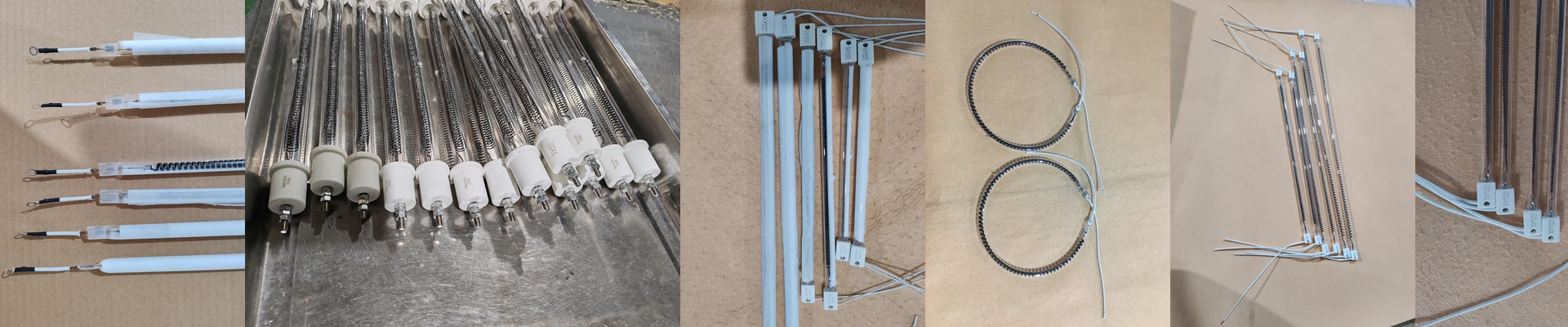

Why Some IR Lamps Cost More (And Why It Actually Matters)
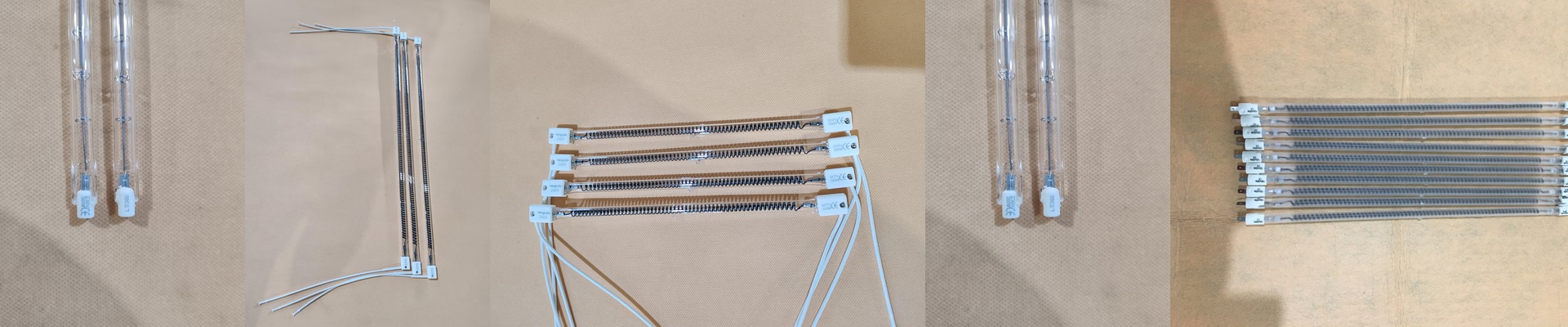
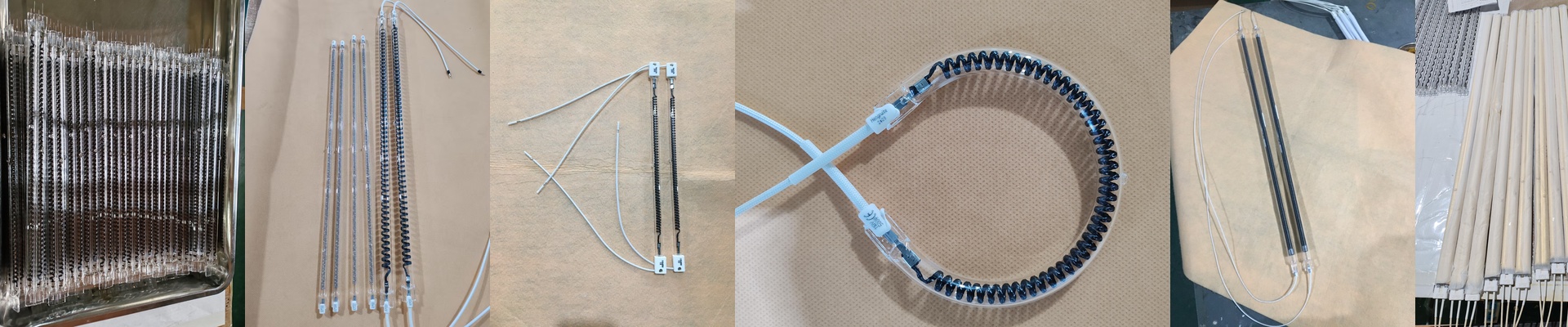
Most people think the price jump between a big-name brand IR lamp and a professional supplier is just about the logo on the box. It’s not. It really comes down to the boring stuff: how tight the tolerances are in the quartz envelope and how pure that tungsten filament actually is. We build our lamps to those same high specs because we’re a Tier-1 supplier. We aren’t just buying and selling other people’s gear; we actually make the things.
The real story behind the heat
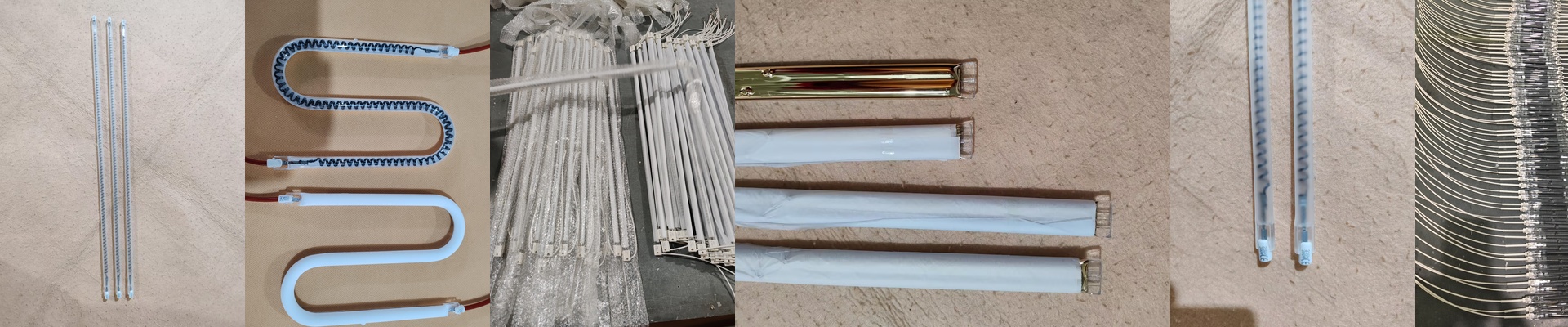
When we’re designing a shortwave lamp, we’re obsessed with watt-density. Imagine pushing 2000W through a 300mm tube. If the filament geometry is even slightly off, the thing will just burn out. That’s why we use high-purity synthetic quartz. It keeps the tube from warping when things get incredibly hot. Cheap quartz creates “hot spots,” and those spots are basically death sentences for your filament.
It’s all in the fit
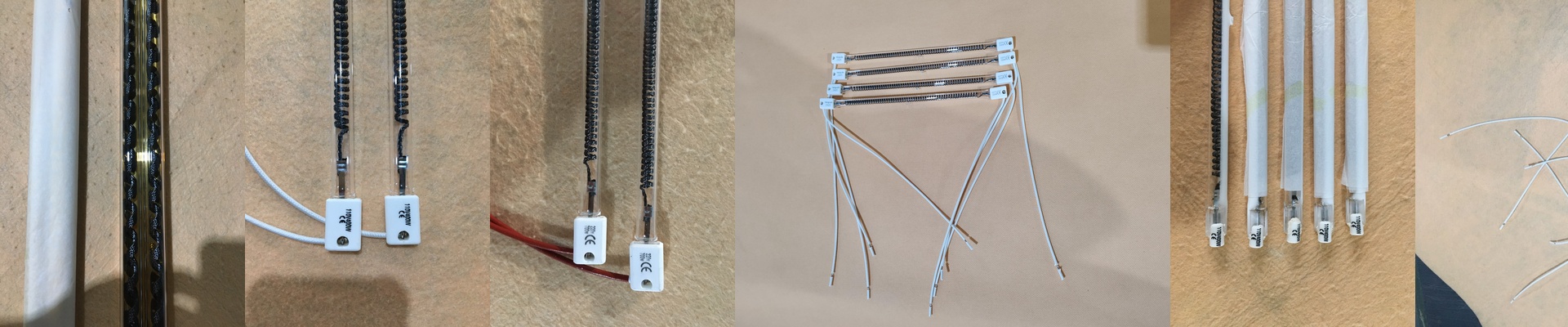
We don’t do “generic” caps. Whether you’re using R7s or Sk15 connectors, the fit has to be spot on. Here’s why: a loose connection creates electrical resistance. Resistance creates heat right at the terminal. And that heat? It melts your socket. We machine our end-caps so they just slide right in. No tinkering, no modifying your housing, no headaches.
The tug-of-war: Power vs. Lifespan
You can push a lamp to deliver massive heat for faster curing, but you’re going to pay for it in operating hours. I won’t tell you our lamps last forever—that’d be a lie. Instead, we give you the actual data. If you run a lamp at its absolute peak voltage, the light will decay faster. It’s a balancing act. You have to weigh your line speed against the rated wattage so you aren’t stuck replacing tubes every two weeks. We handle the entire vacuum process and the gas filling ourselves. That’s the only way to get that steady, reliable output you usually only see from the giant brands.