
The Secret to Getting Water-Based Ink to Actually Dry
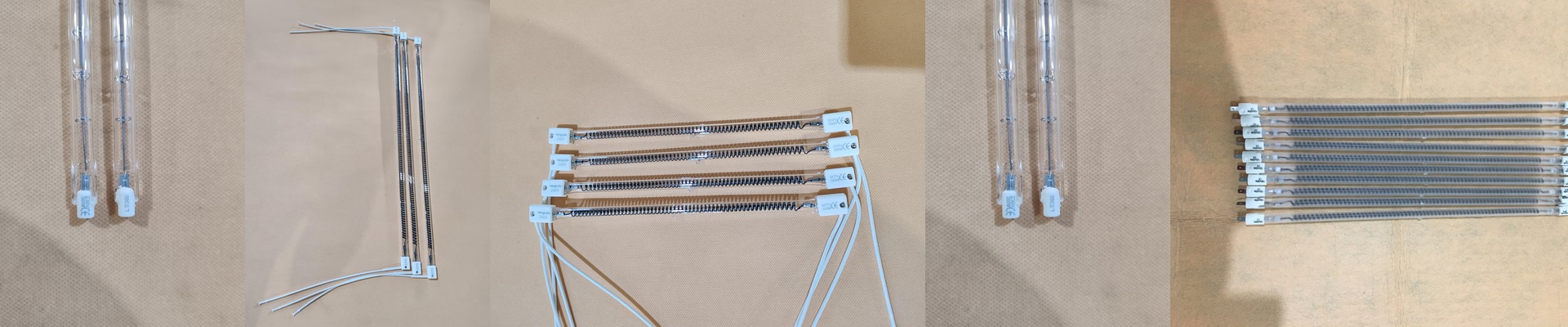
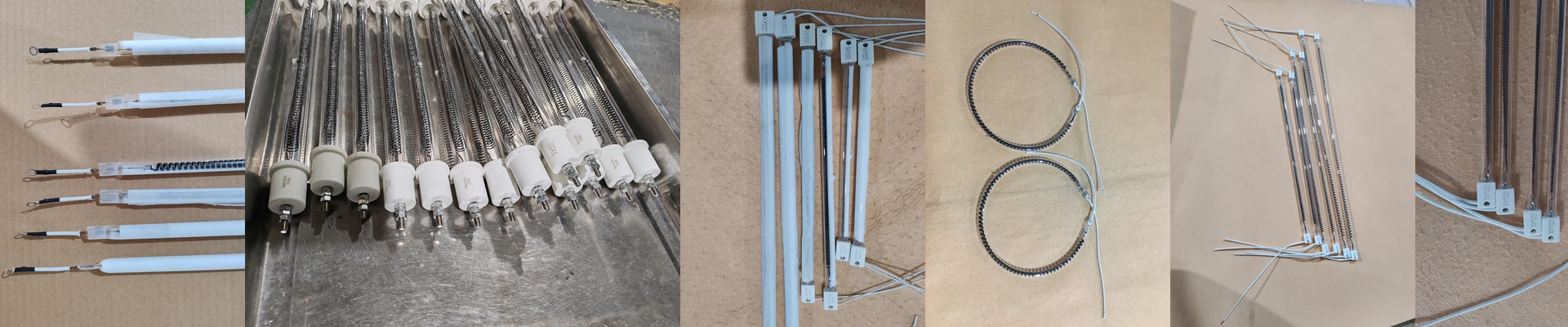
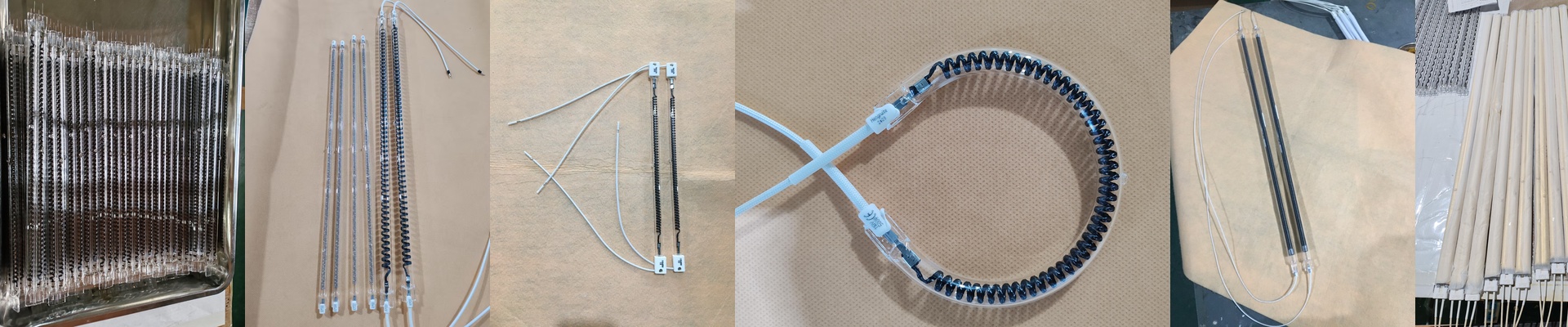
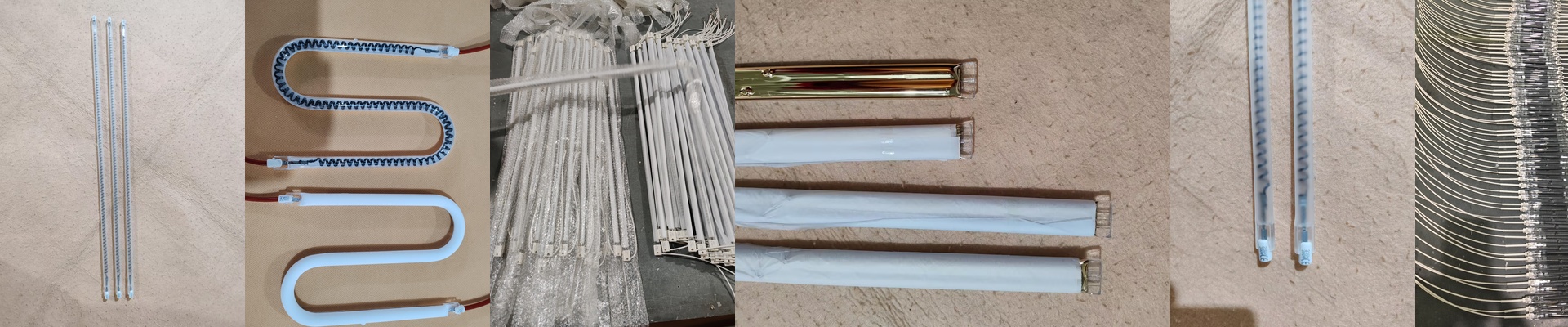
Ever wonder why the big-name printing brands don’t make their own heat sources? It’s because drying water-based ink is a finicky science. You can’t just throw raw heat at it and hope for the best. If you do, you’ll either end up with wet ink or a scorched piece of material. That’s where we come in. We build the OEM tubes that live inside those high-end machines. We don’t just focus on “hot”—we focus on how the ink actually evaporates. Getting the power right Here’s the thing: you need the ink to vanish fast, but you can’t fry the substrate. We calibrate our lamps so the heat is spread perfectly across the whole tube. Whether your setup runs on 220V or 380V, we tweak the filament thickness. Why? Because nothing kills a production cycle faster than a lamp burning out right in the middle of a big job. Now, just a heads-up: these high-wattage tubes pull a lot of power to get that IR energy deep into the ink. Just make sure your wiring can handle the amp draw, or you’ll deal with voltage drops that slow everything down. Quartz and the “right” kind of light We use high-purity quartz glass. It’s tough. It doesn’t warp when things get blistering hot. Plus, we often add special coatings to the glass. This shifts the light spectrum so the energy actually hits the ink instead of just heating up your conveyor belt. And when a tube finally hits its limit? It’s an easy fix. We use standard R7s or SK15 connectors. You just pop the old one out and drop a new one in. No need to tear apart your wiring or spend half a day rewiring the rig. The reality of the factory floor These lamps are built to take a beating. They’re designed for 24/7 grind. But remember, high-intensity IR lamps put out a massive amount of ambient heat. If your cooling fans are weak or your exhaust isn’t cutting it, your housing will degrade and your materials might warp. We build the tubes to last, but the air flowing around them is what really decides how long that filament stays alive.