Carbon Infrared Lamps: The Industrial Heat You Can Feel
Picture this: you need intense heat, right now, and you don’t want to waste a single watt warming up the air around it. That’s exactly why we build carbon infrared lamps. They’re all about getting straight to the point—delivering focused, fast heat that hits your material directly.
What Makes Them Tick: Power, Voltage, and Size
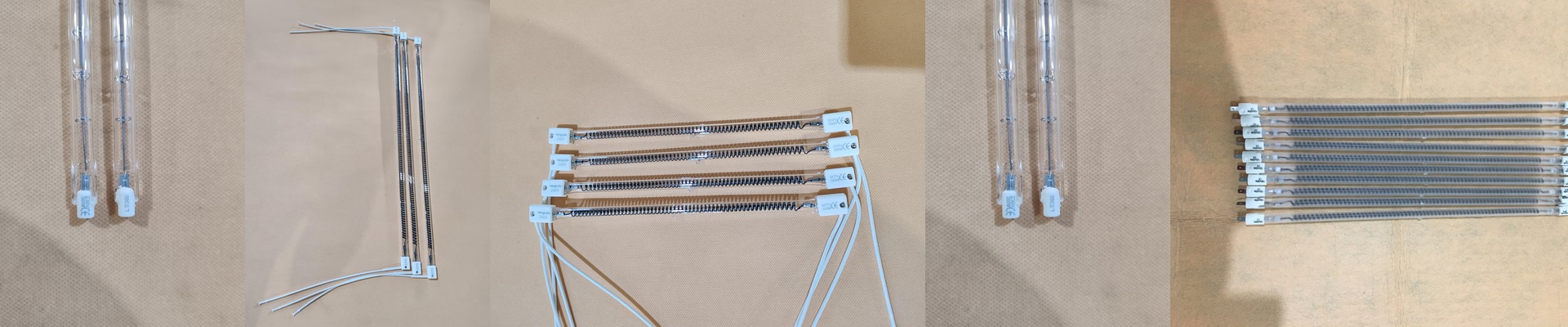
When we talk about these lamps, we’re really talking about three things: wattage, voltage, and length. These aren’t just numbers on a spec sheet—they’re what make the magic happen. Take a typical unit: 2500W, often running at 400V. That high voltage lets us pack a ton of power into a small tube. The result? A seriously compact footprint that slips easily into tight machine spaces. And at around 300mm long, you get a predictable heat pattern and a mounting size you can count on. Here’s the thing: that combo isn’t by accident. High wattage in a short space creates a super-concentrated heat zone. Perfect for spot heating, sealing, or curing. But—and this is important—it also means the hardware around it has to be ready for the heat.
Inside the Lamp: Halogen, Quartz, and the R7s Base
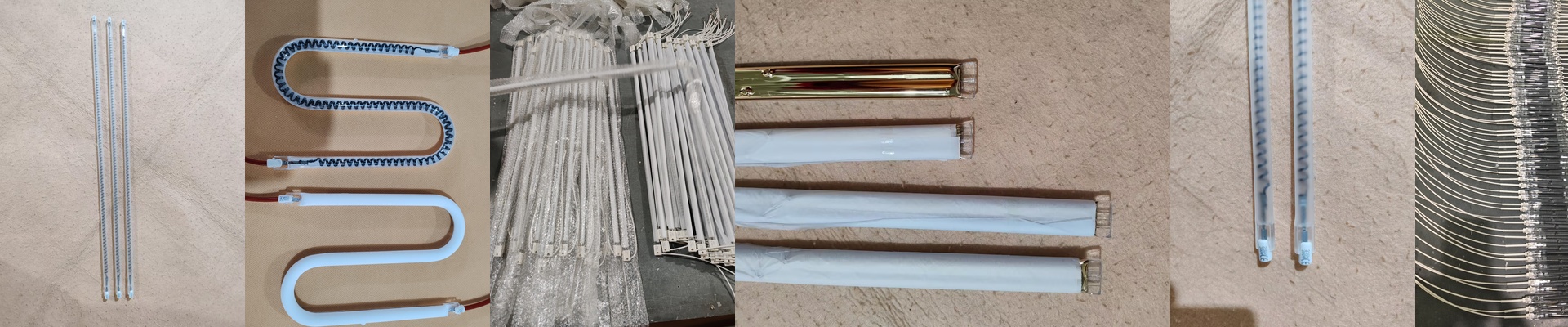
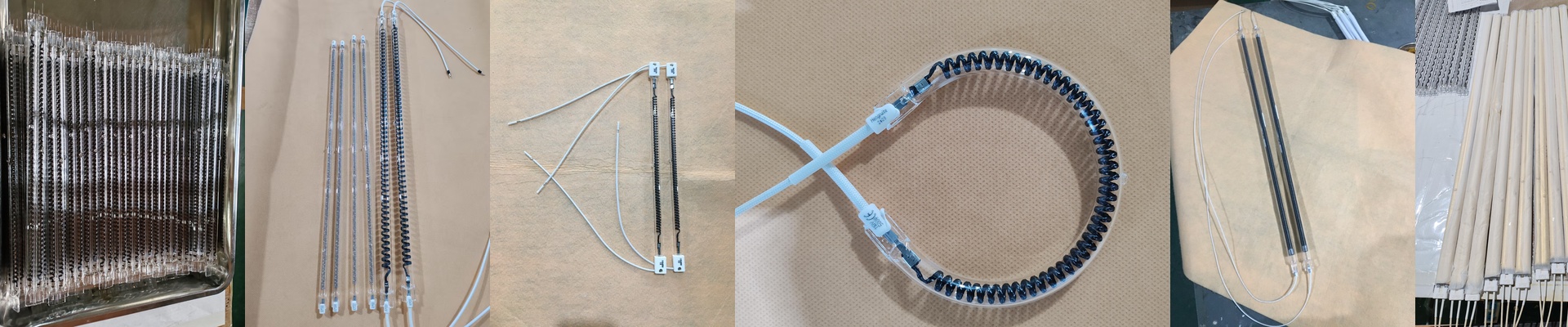
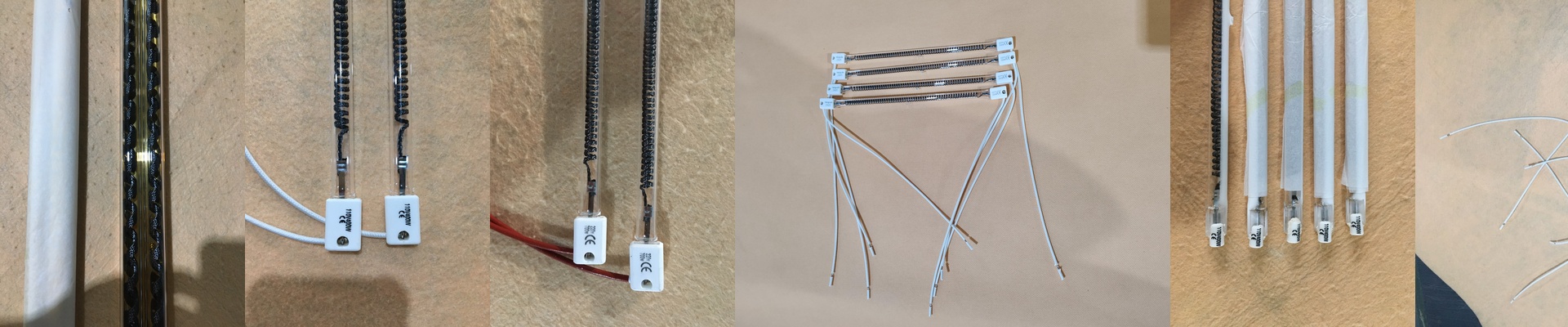
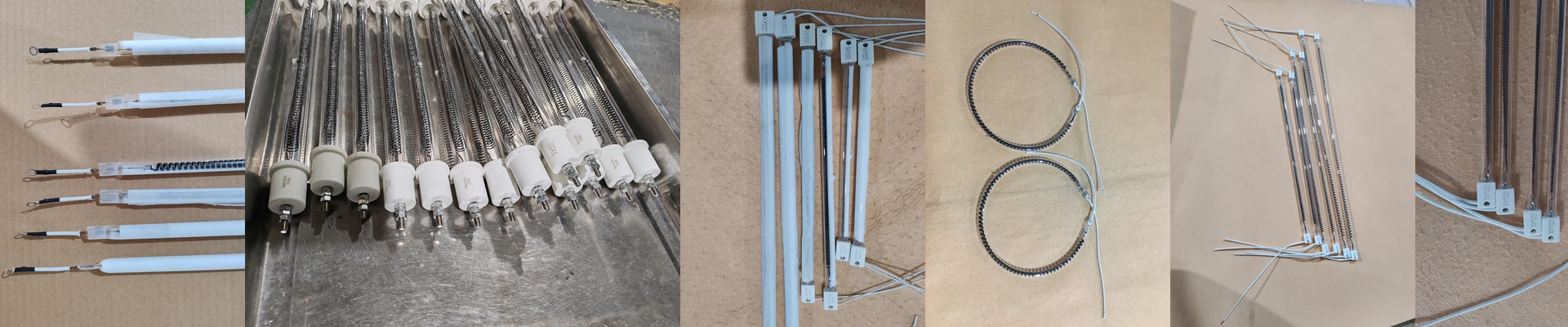
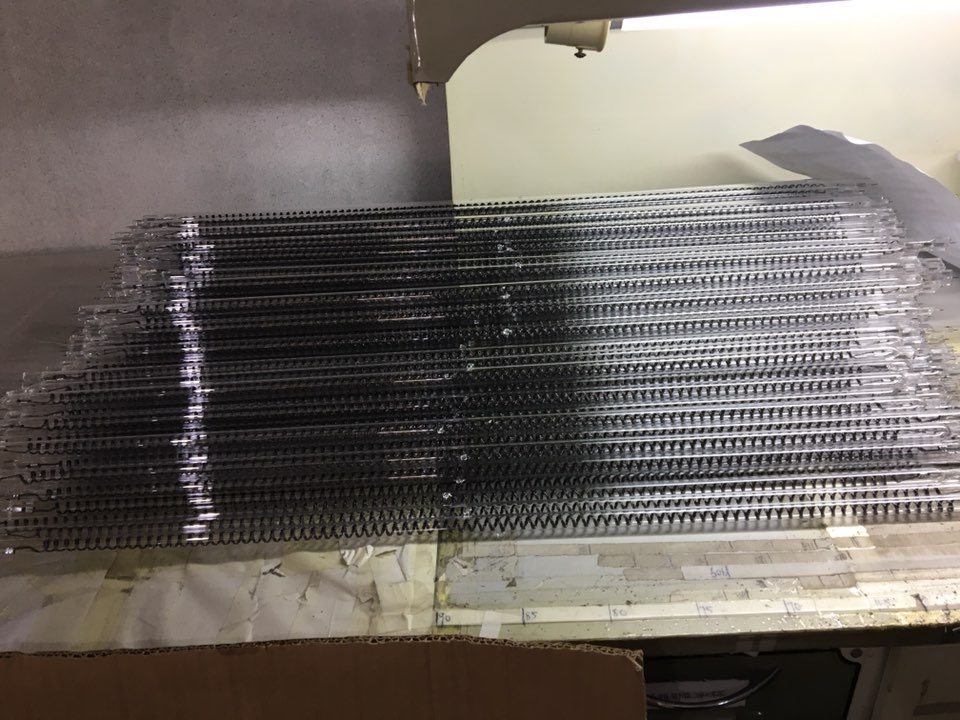
Inside the quartz tube, the carbon filament is working overtime, pumping out shortwave infrared. We add a halogen gas to keep the filament healthy and the output steady. That halogen cycle fights off blackening and keeps performance rock-solid, even when the lamp keeps cycling on and off. And that quartz body? It’s there for a reason. It can handle the shock of going from cold to full blast without cracking—perfect for the kind of on-again, off-again duty industrial work demands. Many versions even have a reflective coating to aim all that energy forward, so more of it hits your target. Then there’s the R7s base. It’s the standard for these linear lamps, and for good reason. It gives you a solid electrical connection and a firm grip in the fixture. You wire it up, clamp it in, and it stays put—even when things get shaky.
Where They Shine: Fast, Compact, and Built to Last
These lamps are the go-to when you need heat on demand in a small space. Think plastic processing, adhesive curing, drying components—anywhere you need speed. The shortwave output responds instantly, so you can cut down cycle times compared to slower convection heating. But there’s a trade-off. That same focused power also cranks up the heat around the fixture. So you’ll want to plan for shielding, ventilation, and components that can take the heat. When you get the specs right, you end up with a heat source that’s tough, reliable, and ready to keep up with the pace of your production line.