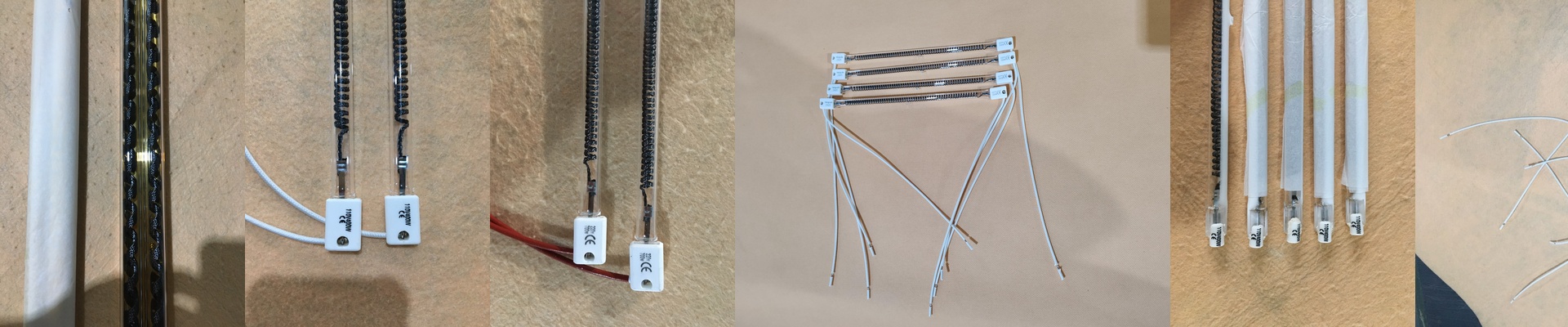
Introduction
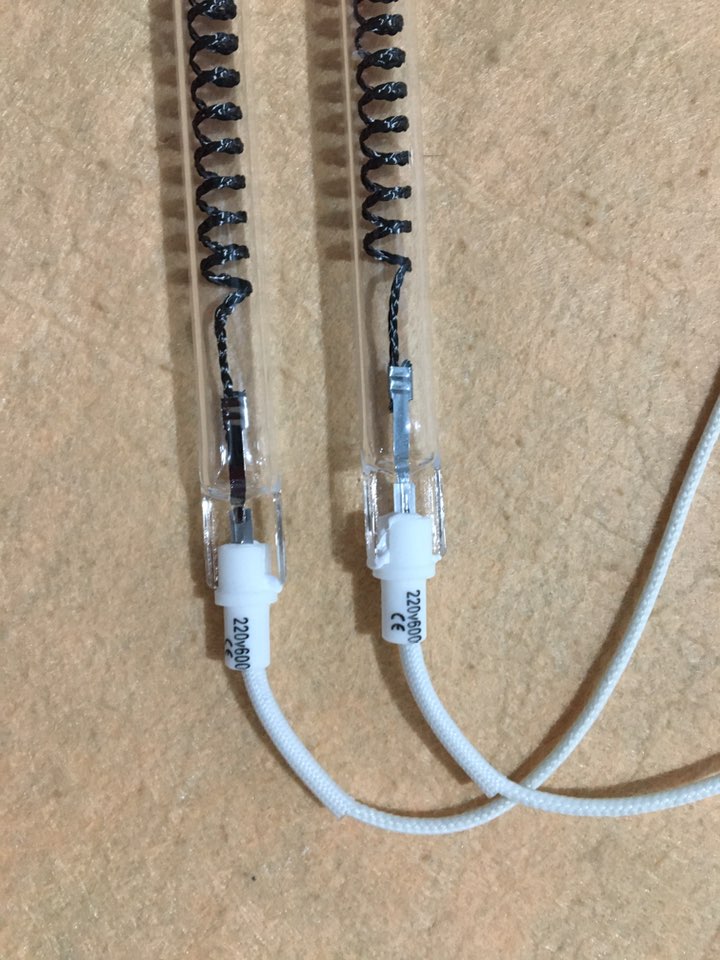
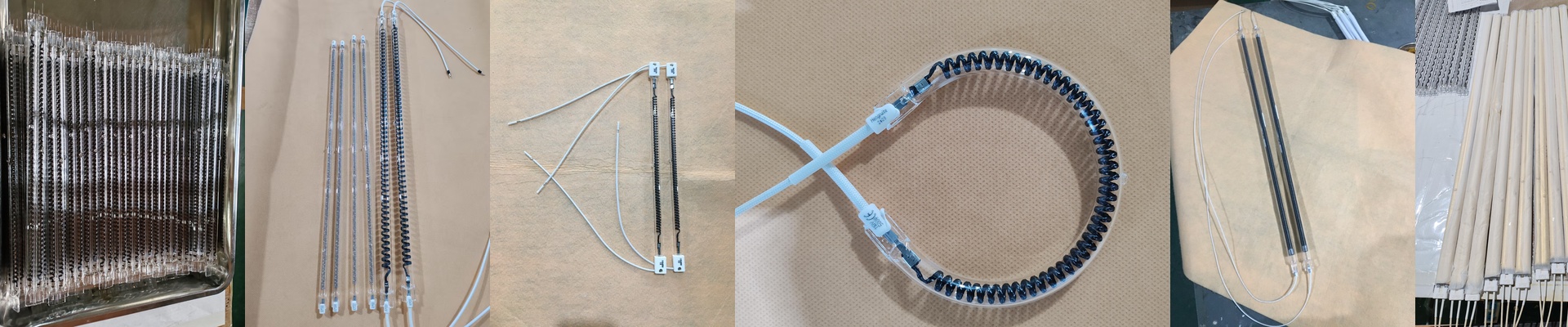
We built the carbon fiber heat lamp oven around one hard requirement: delivering raw, controllable infrared heat in a compact footprint. This unit pairs a high-output IR quartz glass lamp with a carbon fiber reflector assembly. The goal is simple: get the heat where you need it, fast, without wasting energy on heating air.
Technical Deep-Dive: Power, Voltage, and Dimensions
The core of this oven is a shortwave infrared quartz lamp, typically spec’d at 2500W and 400V. That high voltage is not arbitrary. It allows high wattage through a physically short 300mm tube, giving you intense heat density in a small zone. For you, that means faster heat-up and faster response when the process demands immediate temperature changes. The 300mm length keeps the footprint tight, so the oven can fit into crowded production lines and retrofits. The 2500W output provides the flux needed for demanding tasks—think melting points, curing thick layers, or maintaining high temperatures on moving parts. The trade-off is real: 2500W in a 300mm envelope generates serious heat. Your machine’s cooling and ventilation must be sized to handle the ambient load. If you don’t plan for heat rejection, you’ll chase thermal runaway.
Material & Design: Quartz Glass, Halogen, and Connectors
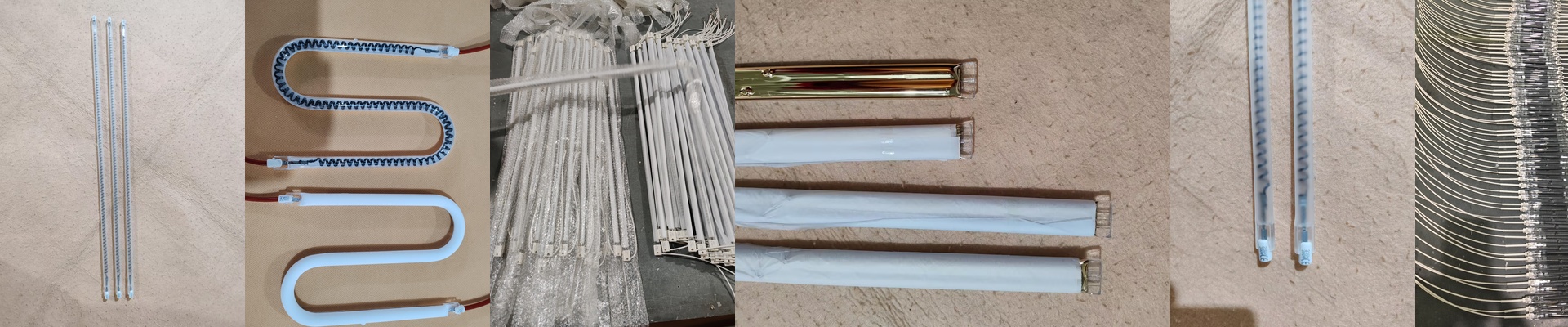
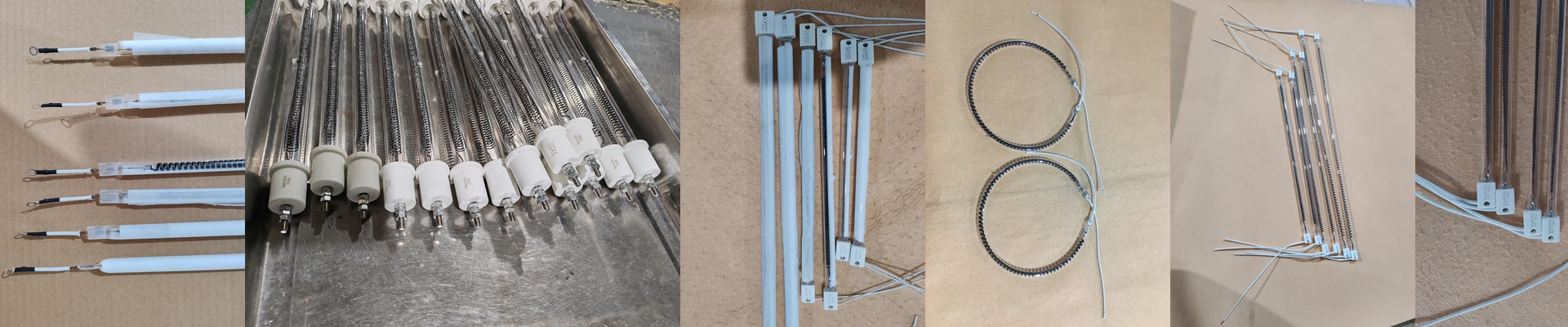
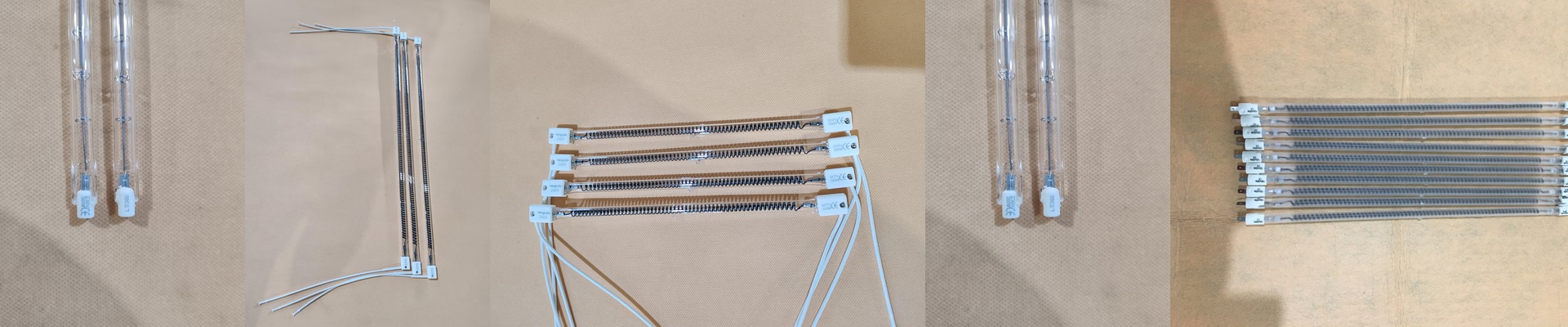
The IR quartz glass tube is the heart of the system. Quartz handles rapid thermal cycling without cracking, and it transmits shortwave infrared cleanly. Pair that with a halogen fill, and you get stable filament temperature and consistent spectral output over the life of the lamp. This combination keeps your process repeatable shift after shift. We use a carbon fiber reflector because it stays stiff under heat, holds its shape, and reflects IR efficiently. That means more of the energy goes into the target, not into heating the surroundings. The reflector also keeps the oven’s weight down, which matters when you’re mounting it on moving gantries or tight fixtures. For termination, the R7s double-ended connector is the practical choice. It handles high temperatures, provides solid contact, and makes the lamp a drop-in replacement. The R7s base gives you a secure mechanical lock and repeatable electrical engagement, so you don’t have to worry about arcing or intermittent connections when the line is running.
Application & Benefits: Why This Configuration Works
This configuration is engineered for industrial heating where speed, control, and reliability matter. The shortwave IR profile targets surface heating and rapid energy transfer, which is ideal for curing coatings, drying adhesives, preheating components, and supporting plastic processing steps like PET blowing. The carbon fiber heat lamp oven delivers fast response, so you can match line speed without overshooting temperature. The quartz glass and halogen design provide stable output, which helps reduce scrap from temperature drift. And the R7s termination simplifies maintenance—swap the lamp, wire it up, and get back to production. The reality is this: if you need concentrated heat in a small envelope, this unit gives it to you. But you must treat the power density as a design parameter. Plan your cooling, verify your mounting, and size your controls for 400V at 2500W. Do that, and you get a rugged, repeatable heating platform that holds process temperature without fuss.