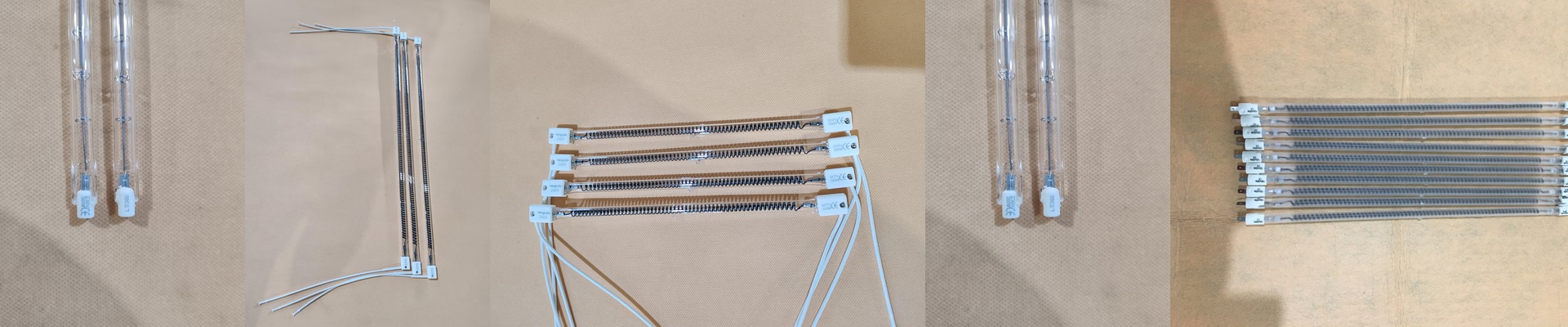
Carbon Fiber Heater Tube: High-Density Infrared for PET Blowing and Industrial Lines

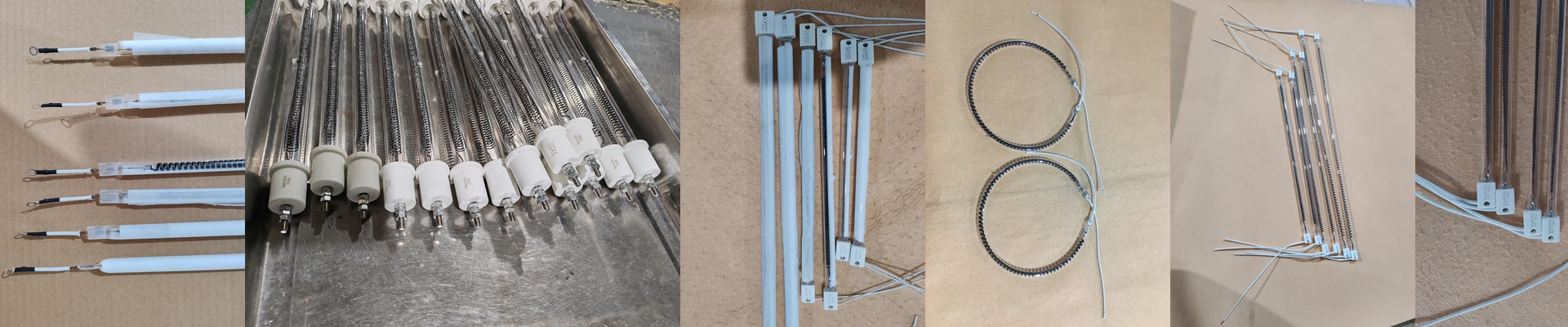
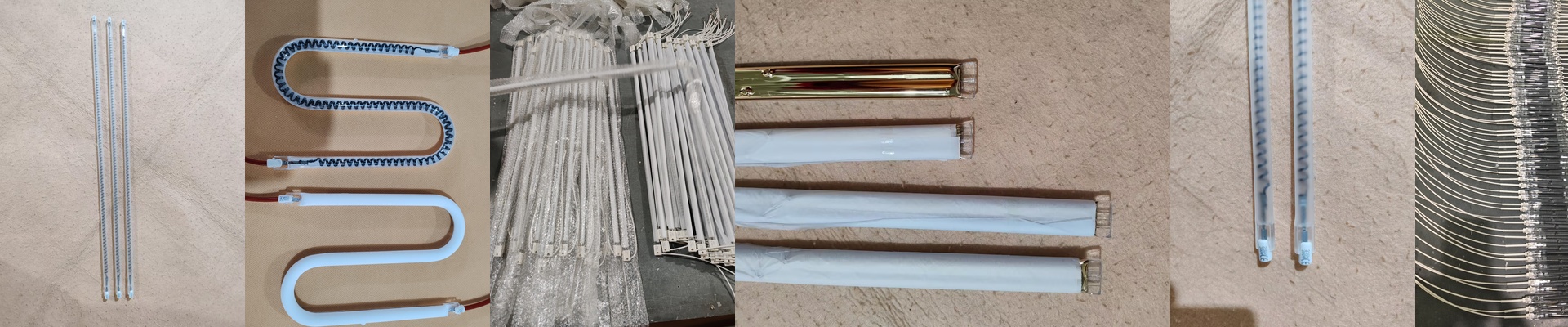
We build the carbon fiber heater tube as a direct, high-output infrared source for industrial heating where space is tight and response time matters. This is not a general-purpose element; it is engineered to deliver predictable heat output in a compact quartz envelope, typically used in PET blowing, thermoforming, and plastic processing lines.
Technical Deep-Dive: Power, Voltage, and Dimensions
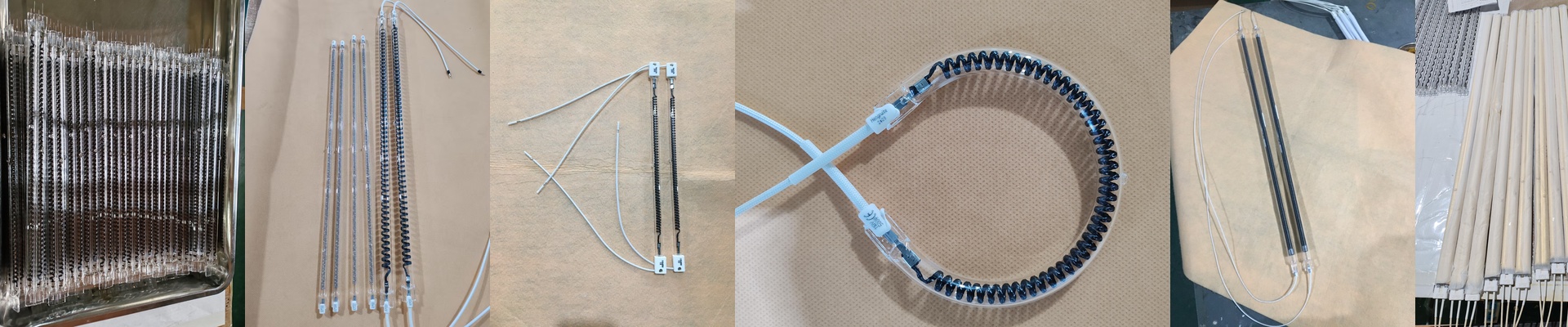
The tube is designed around high heat density. A common configuration runs at 400V and 2500W, which produces a strong watt density inside a small footprint. The 300mm length is a practical compromise: long enough to cover a focused heating zone, short enough to keep the mounting hardware and clearances manageable. You get fast ramp-up because the carbon fiber filament has low thermal mass. That translates to shorter cycle times on machines where you need heat on demand, then back off quickly. The trade-off is clear: high power in a small envelope pushes heat into the surroundings, so the machine design must handle the rejected heat. The control panel, airflow, and shielding need to be spec’d accordingly.
Material and Design: Quartz, Halogen, Coating, and Connectors
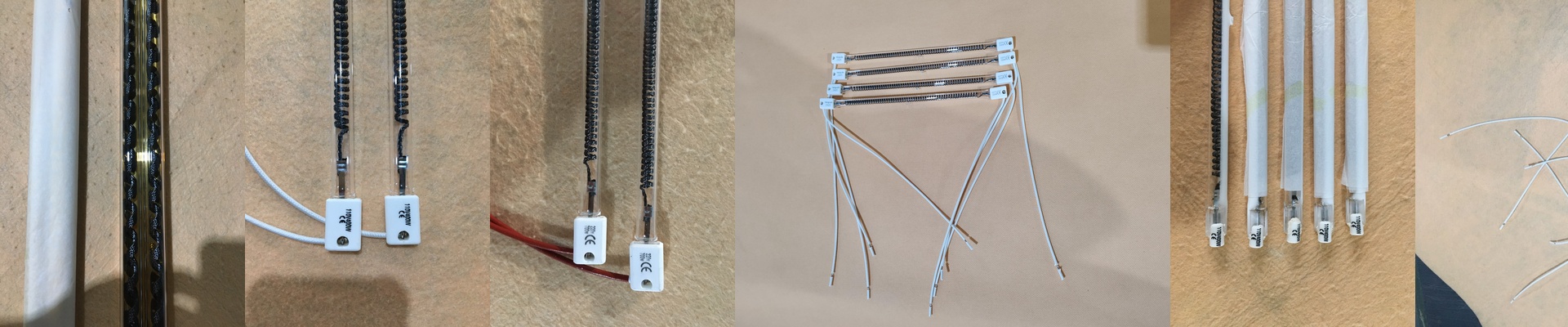
The carbon fiber filament sits inside a quartz tube. Quartz handles high temperatures and offers good thermal shock resistance, which matters when the element cycles on and off. The halogen gas fill is used to stabilize the filament and reduce hot-spot drift. This keeps output more consistent over the life of the tube, which reduces rework and keeps your process window tight. The shortwave infrared output is a direct result of the filament temperature and design. It penetrates surface layers quickly, which is exactly what you want when heating plastic preforms or sheet material. On the ends, the R7s connector is a proven industrial fit for double-ended quartz tubes. It gives you solid contact, repeatable alignment, and a secure mechanical hold. When you wire it up, the connection stays stable even with vibration and thermal cycling. If your line uses a different standard, variants like the SK15 connector are available to match the terminal layout and spacing on your equipment.
Application and Benefits: PET Blowing and Industrial Use
In PET blowing, the heater tube is typically positioned to condition the preform before stretching. The shortwave infrared profile heats the material rapidly and evenly across the target zone, helping maintain consistent wall thickness and reducing scrap. The same fast-response behavior works well in thermoforming, where you need heat quickly to form sheets without overheating the surrounding frame. We design this tube to be a drop-in replacement. You spec the voltage, wattage, length, and connector, and it installs the same way as your existing element. Maintenance is straightforward: when a tube burns out, you swap it and get the line back online. One realistic constraint: high power density demands proper cooling and shielding. If the surrounding components run too hot, you shorten the life of nearby electronics and insulation. Plan your heat path up front, and this tube will run reliably with predictable output across the shift.