Introduction
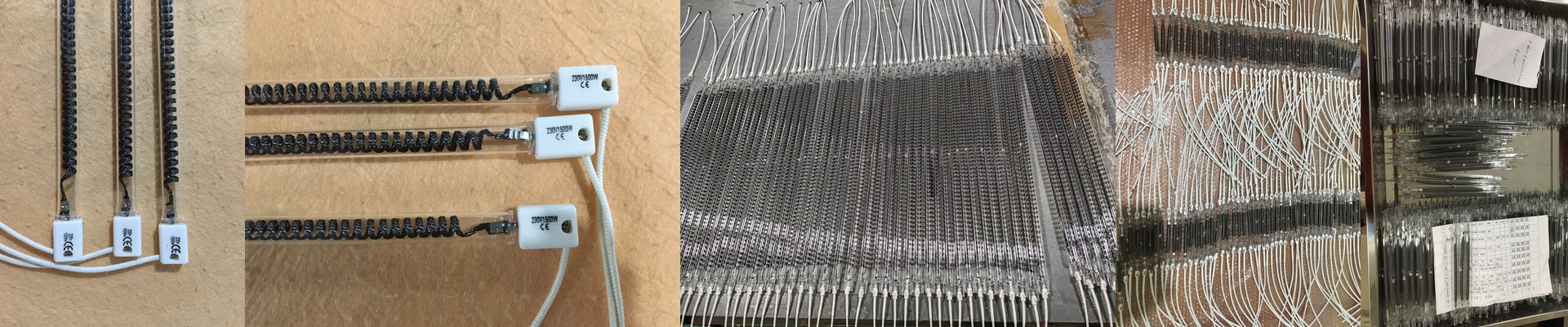
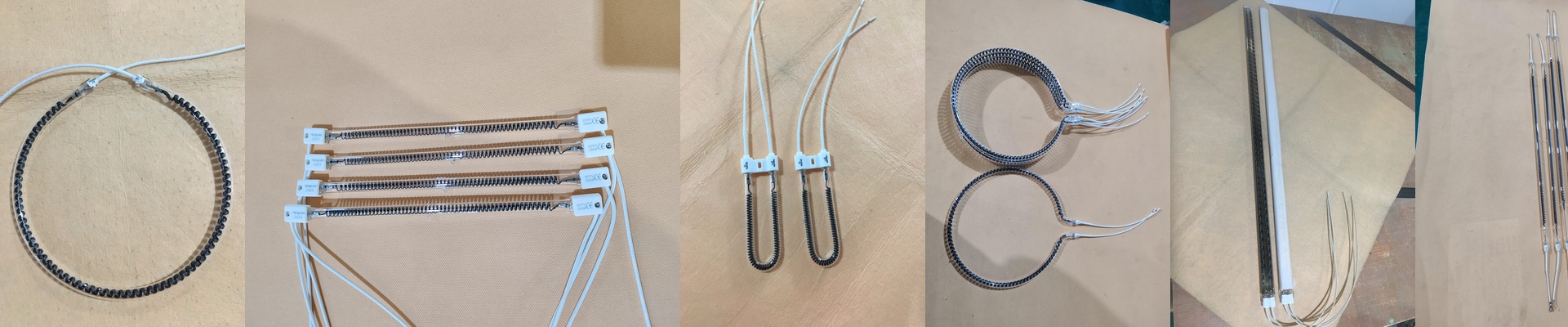
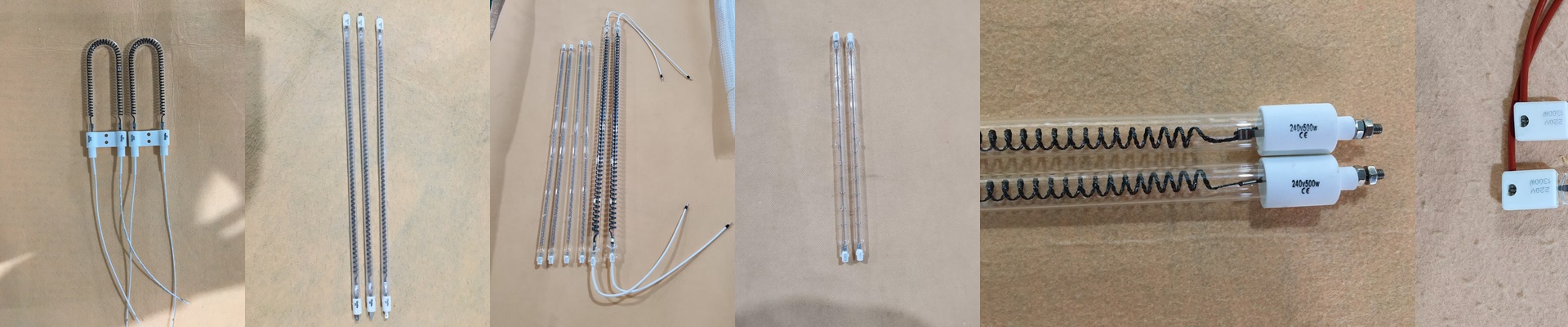
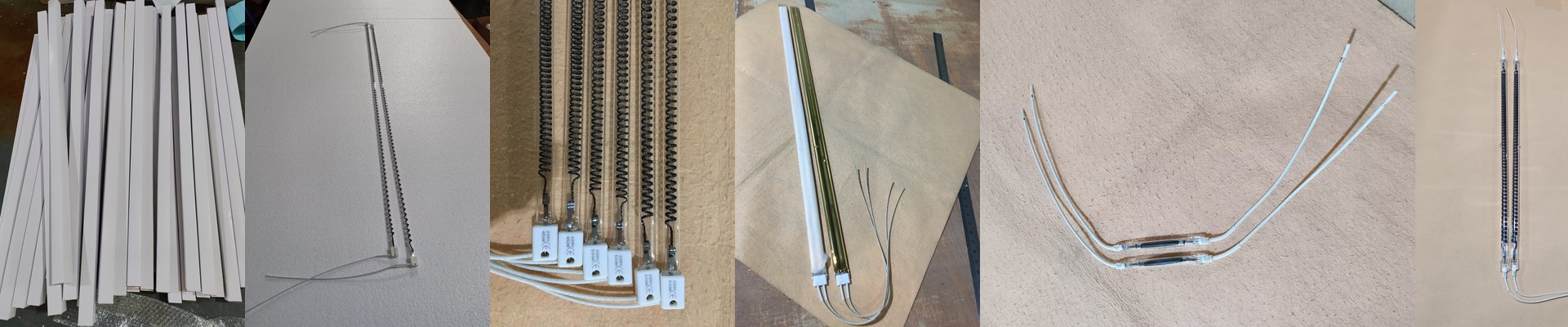
Here’s the thing: we built this 500W carbon fiber heating element to be a seriously compact workhorse. It’s not your run-of-the-mill resistance wire heater. Think of it more like a halogen-filled quartz tube, packed with a carbon fiber filament. It was designed for one thing: to get hot, fast, and stay hot, right where you need it. Perfect for those tight spots in industrial gear where you just need precise, focused heat.
Power, Voltage, and Size: The Nitty-Gritty
So, the 500-watt rating. We chose that because it gives you a ton of heat density without drawing a ton of current. The voltage is matched to that power, and it’s set up to work with standard industrial line voltages. That means you can just wire it straight into your existing control panels. No need for a bulky step-down transformer. The size is just as intentional. We engineered the length and diameter to slide into those cramped heating zones. When you’re retrofitting old machines or squeezing a new design into a tight space, a small footprint is everything. And because the 500W is packed into a short tube, it heats up almost instantly. That kind of speed can shave serious time off production cycles. But, and this is important, that kind of power density means you need to manage the heat. The mounting hardware and nearby parts have to be tough enough to handle the radiated heat, or you risk frying sensors or melting plastic housings.
The Secret Sauce: Materials and Design
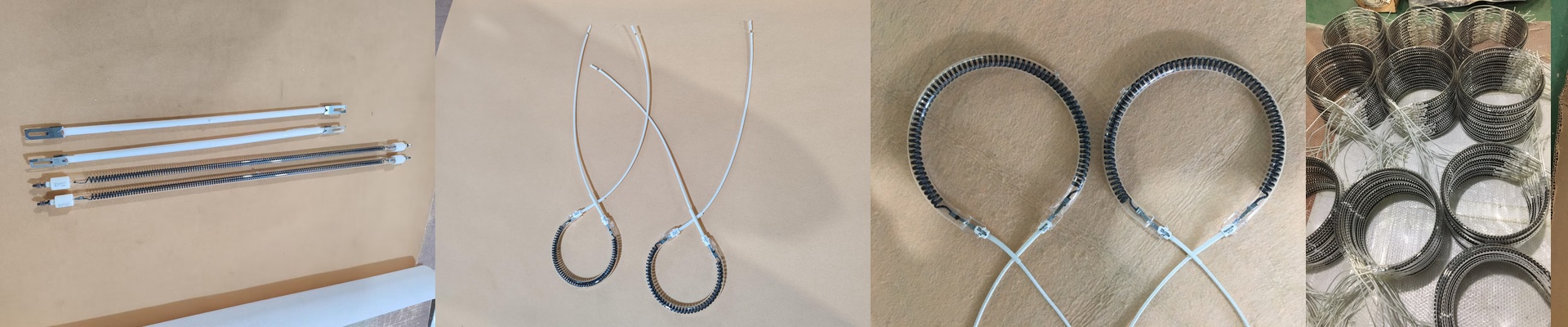
The heart of this thing is the carbon fiber filament. It stays incredibly strong even at scorching temperatures and has a consistent electrical resistance, which means your temperature control stays rock solid. We wrap that filament in a quartz envelope. Why quartz? Because it can handle the extreme heat without softening, and it’s crystal clear for infrared transmission. But the real magic is the halogen gas fill. You know how a regular incandescent bulb slowly blackens and then burns out? The filament evaporates over time and coats the glass. With the halogen cycle, that evaporated carbon gets redeposited right back onto the filament. It keeps the tube clean and the filament thick. The result? A much longer life than any non-halogen design. And the connector? We went with a standard R7s base. It’s a double-ended, linear connector that’s built to handle high temperatures and gives you a secure connection. Since it’s an industry standard, this element is a simple, drop-in replacement for what you’re probably already using.
Where It Shines: Real-World Use
This element is the go-to choice for industrial heating jobs that need a fast response and focused heat. You’ll find it all over plastic processing equipment, like PET blowing and thermoforming, where the heating zones are small but need to be hot, now. It’s also a staple in packaging machines for heat sealing, and in lab equipment that demands precise thermal control. From an engineer’s point of view, the benefits are pretty clear. The halogen cycle keeps the output stable over time, so you don’t get that frustrating performance drop-off you see with standard elements. The carbon fiber filament is also way tougher when it comes to thermal shock, so it can handle being turned on and off over and over again without failing. And the R7s base makes installation and maintenance a breeze. Now, one thing to keep in mind: because the quartz envelope gets so hot, you need to plan for proper clearance and insulation. Mount it with the right spacing and use heat-resistant standoffs to protect the surrounding chassis. Treat it like what it is—a high-intensity heat source. Not just another electrical component.