Introduction
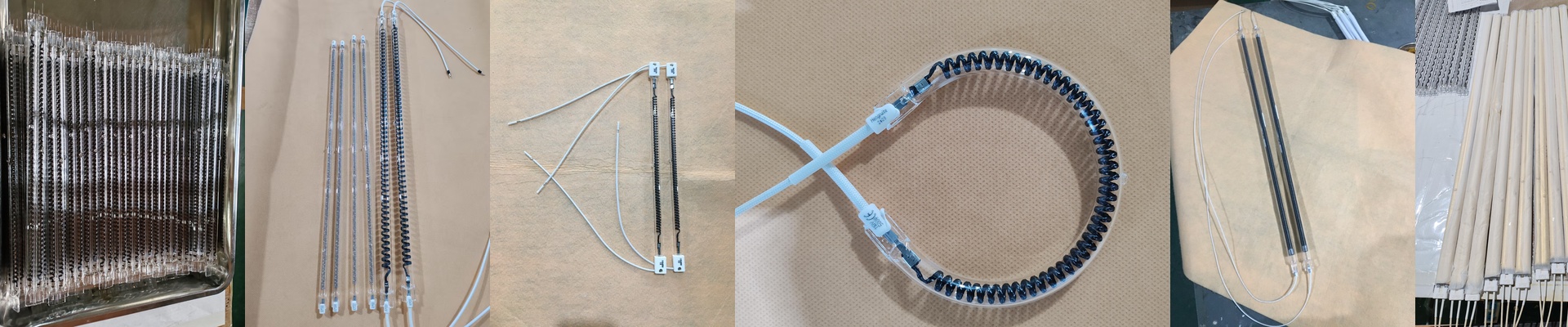
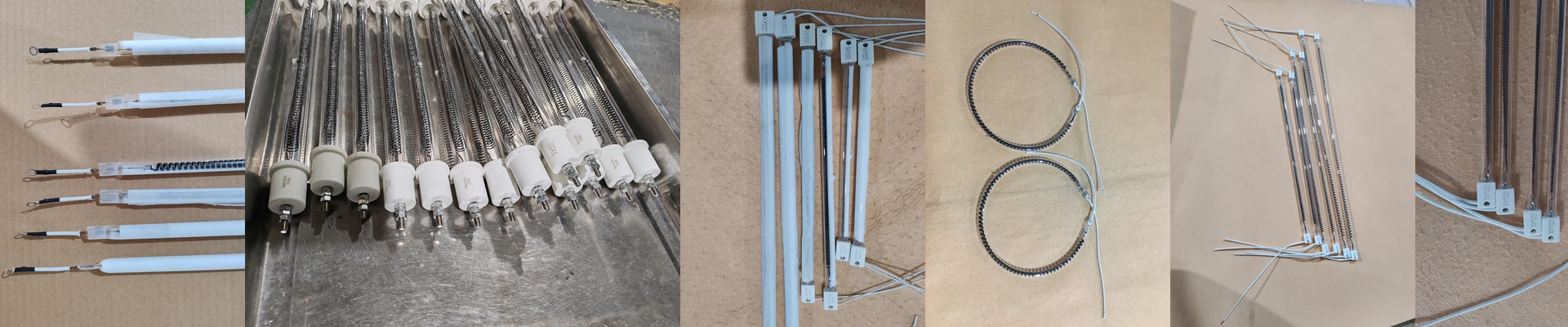
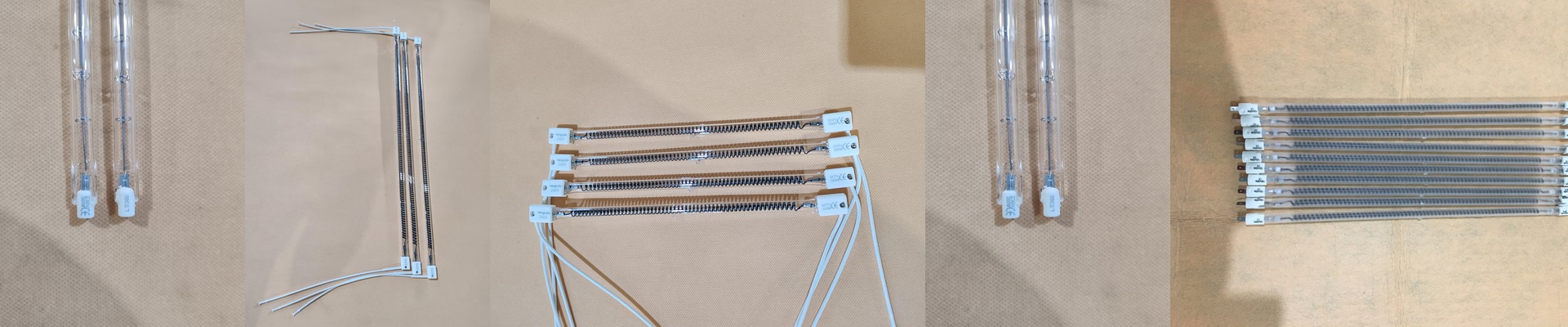
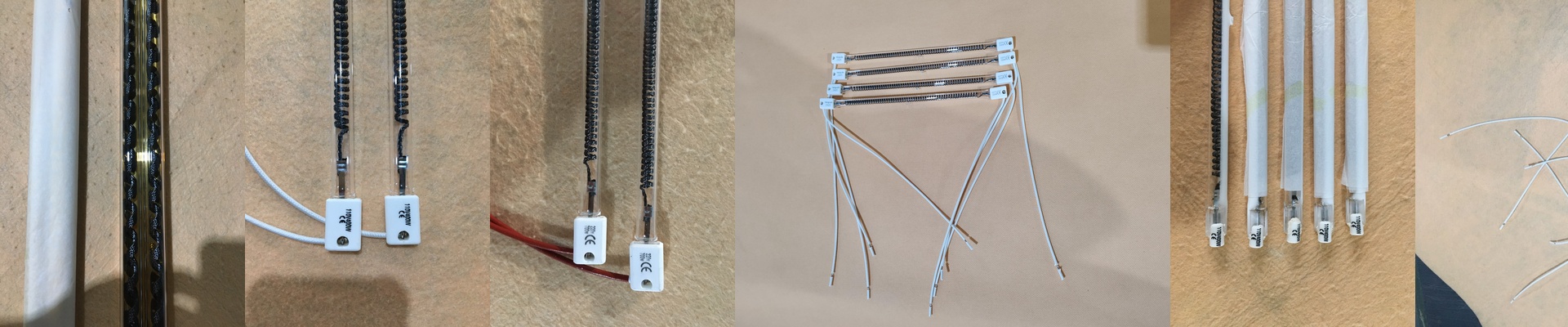
We built this 1200W, 220V heat lamp for engineers who just want a heat source that shows up and does the job. No drama. It’s meant to be a direct-fit industrial solution—predictable power, fast response, and easy wiring. The heart of it is a carbon fiber emitter that runs straight off standard mains voltage. So you can wire it in without redesigning your cabinet or hunting around for a step-up transformer. It’s meant to plug in and get to work.
Power, Voltage, and Heat: The Real Numbers
At 1200W on 220V, it pulls about 5.5A. That’s a comfortable load for common contactors and standard thermal protection—no need to oversize your wiring. It hits hard enough to heat up fast, but it’s not so aggressive that you need a monster fixture to contain it. Now, the 220V rating is a choice with a trade-off. It keeps the ballast simple and the control circuit inexpensive. But it also means you need a 220V supply. If you try to run it on 110V, you won’t get the rated heat, and the control logic won’t line up.
Materials and Design: What Makes It Tick
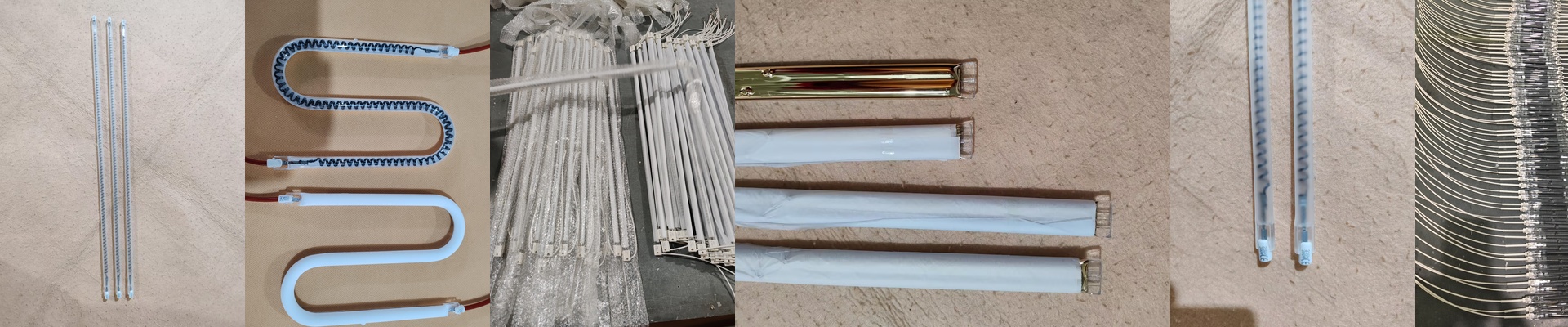
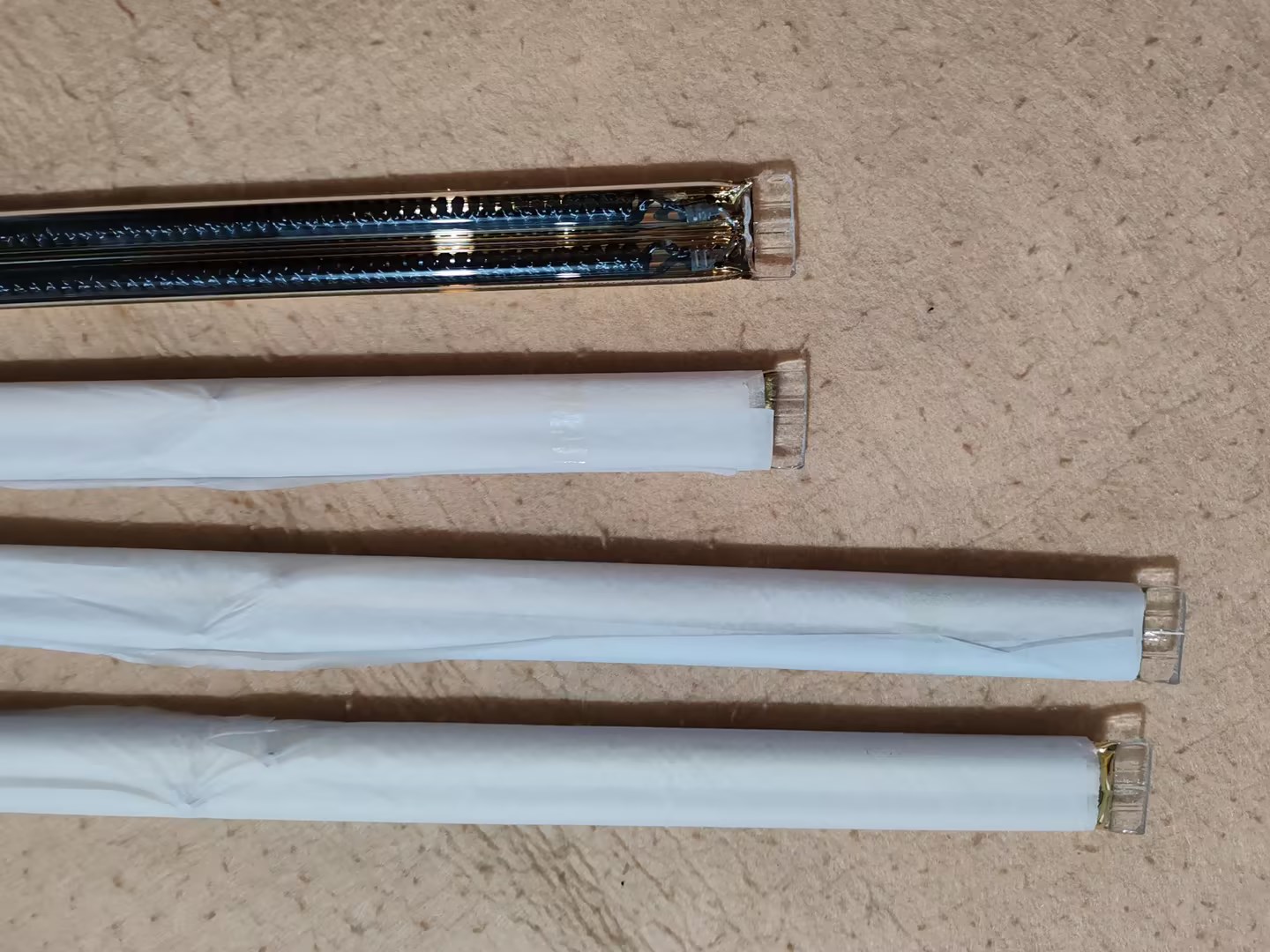
Carbon fiber elements give us low thermal mass. In plain terms: it heats quickly and responds immediately when you change the setpoint. No lag. No waiting around. The quartz envelope handles thermal shock without breaking a sweat, and it keeps the internal chemistry stable. And that clear ruby half-white/gold finish? Not just looks. It’s a selective coating strategy. The ruby side targets shorter wavelengths to drive heat deeper, while the white/gold side reflects and manages longer wavelengths. That means less wasted radiant energy and a cleaner, more controllable heat profile.
Where It Shines: High Heat, Real-World Installation
This setup is for engineered heat where space is tight and timing matters—plastic forming, sealing, curing, focused drying. The carbon fiber element handles repeated on/off cycles far better than coiled wire, so you get fewer burnouts in high-cycle applications. Installation is straightforward: it’s designed to be a drop-in replacement in fixtures that accept this form factor. But let’s be honest—1200W in a compact footprint creates serious localized heat. So you’ll want to manage airflow and shield nearby controls. Keep things cool where they need to be, and this lamp will do exactly what you built it for.