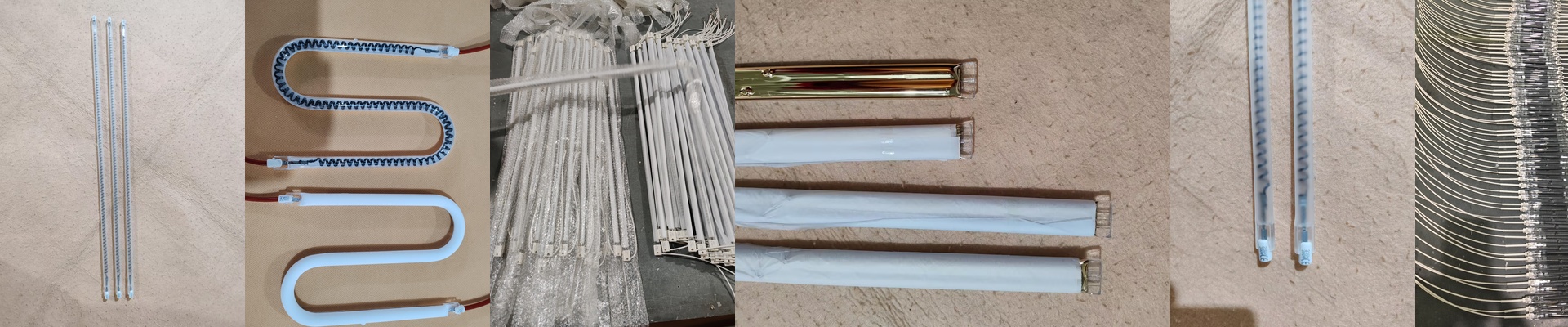

Getting Your MHM Press to Heat Up Just Right
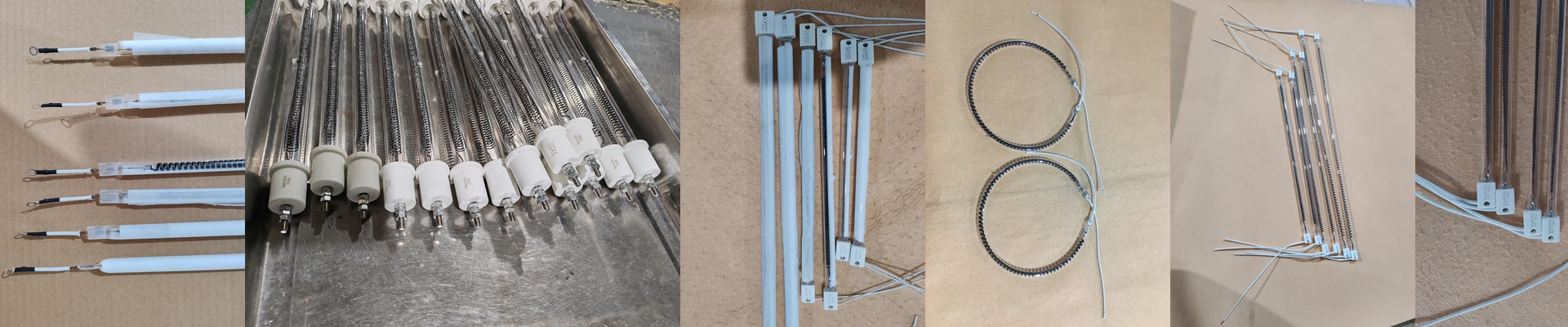
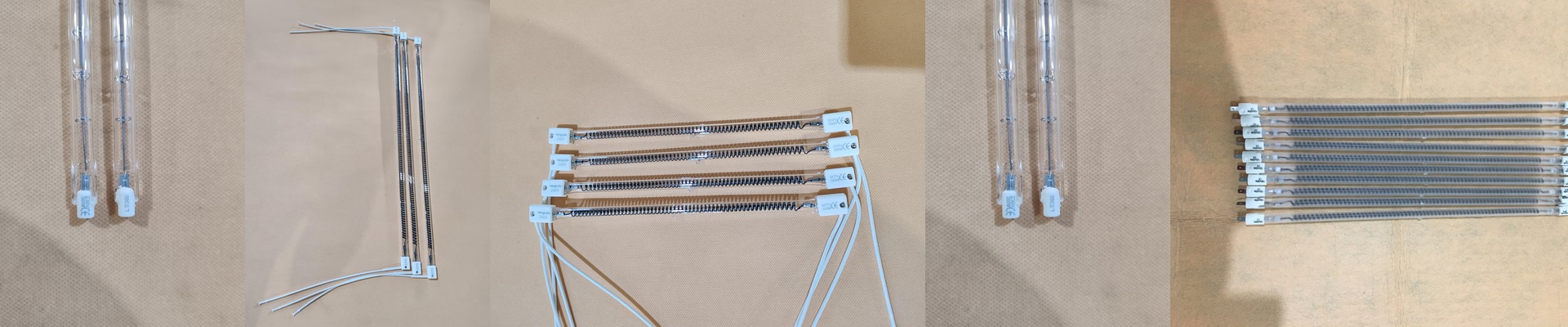
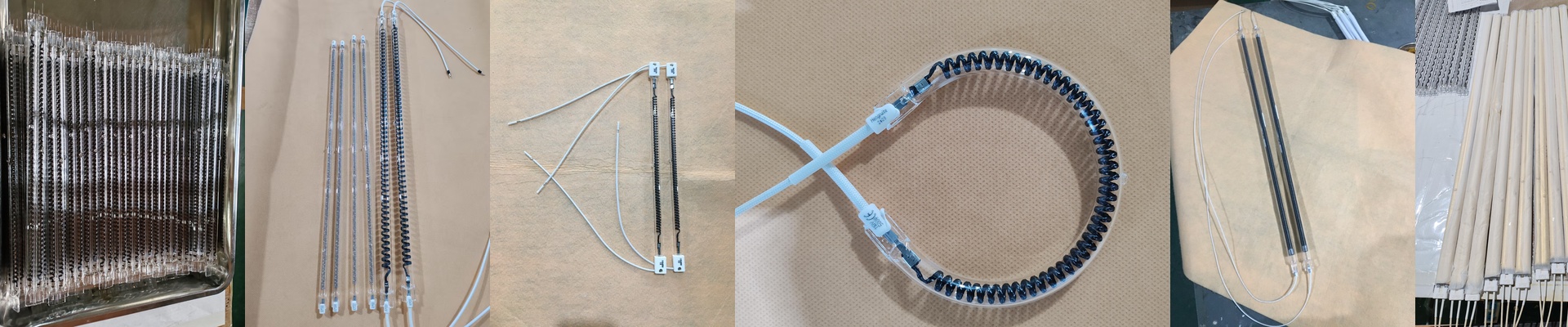
If you’re running an MHM press, you already know that the heating profile is everything. It’s the difference between a perfect cure and a total mess. When your infrared tubes aren’t hitting the exact specs the factory intended, things go south fast. You start seeing ink bleed or patches that just won’t dry. That’s why we make our clear quartz tubes as simple “drop-in” replacements. They’re designed to mimic the heat density and wavelength of the originals, so you don’t have to guess if it’s working.
It’s More Than Just the Length
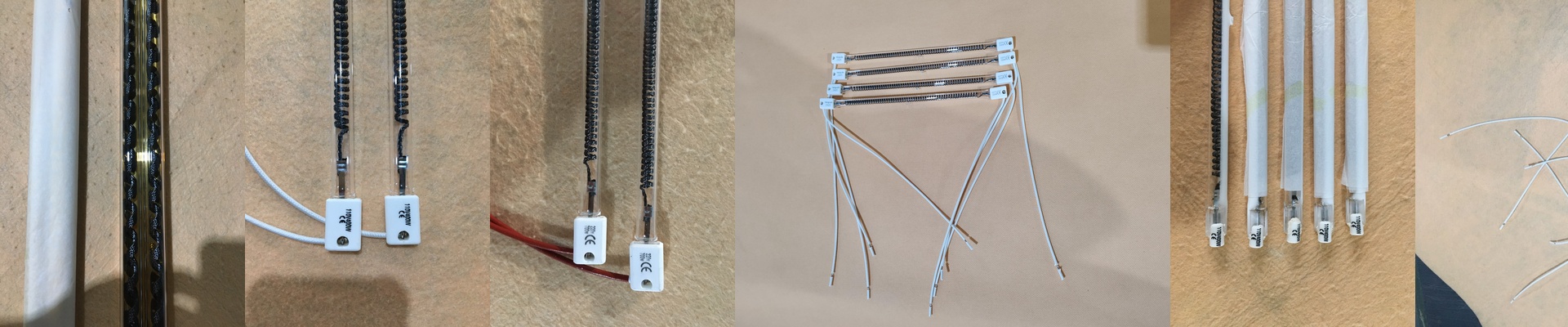
Here’s the thing: a tube that fits in the slot isn’t necessarily the right tube. You have to look at the wattage and voltage. If you cram too much wattage into a short space, you get an intense blast of heat. Great for fast-cure inks, sure, but it puts a massive strain on your power supply. Plus, if you swap a factory tube for some generic version with different resistance, you’re playing a dangerous game. You could fry your controllers or, even worse, leave your shirts under-cured. We spend our time calibrating the filament winding so the heat spreads evenly across the whole tube. No hot spots. No cold gaps.
Why Quartz Actually Matters
We stick with high-purity clear quartz. Why? Because it lets short-wave infrared radiation pass straight through without the tube soaking up the energy. The energy goes exactly where it belongs:into the ink. We stay far away from those cheap glass substitutes. They tend to crack the moment they hit a rapid temperature shift. Our tubes are built to take a beating in a loud, hot, high-volume shop.
Swapping Them Out (and a Quick Warning)
Installation is easy. These fit right into your existing MHM mounts. No custom brackets, no drilling, no wasting a Tuesday afternoon on “modifications.” Just wire them up with your standard connectors and get back to printing. But a word of advice: high-output quartz tubes put off a lot of ambient heat. If you’re cranking up the wattage to push more shirts through the line, make sure your ventilation is clean. If dust or debris blocks the airflow, the ends of the tubes can overheat. That’s the fastest way to kill your filaments. Keep it breezy, and your tubes will last a lot longer.