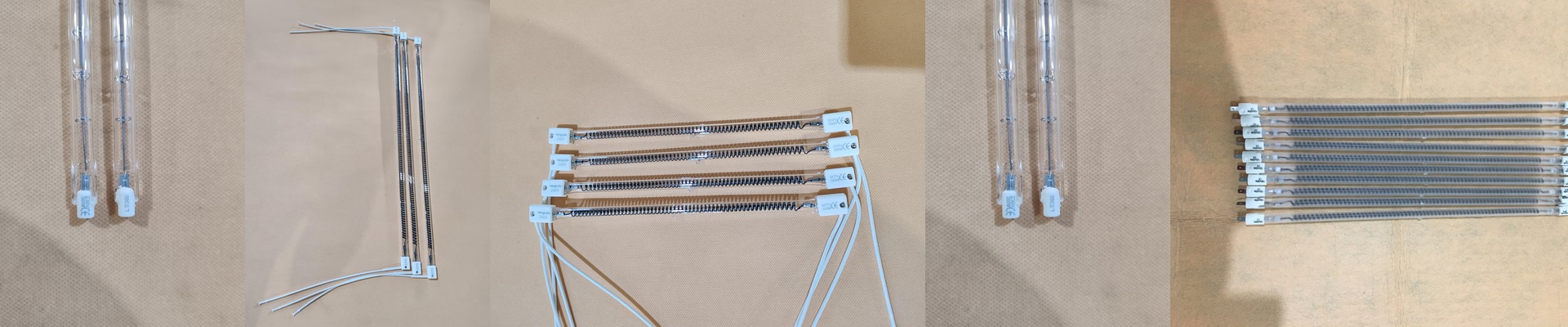

Circle Carbon Fiber Heating Elements: The Heat Your Industrial Machines Have Been Waiting For
We built Circle Carbon Fiber heating elements for the machines that need heat—fast—and can’t afford to mess around. Think of them as the opposite of those old, clunky resistive heaters. These are compact, quick to respond, and deliver serious heat without the lag or temperature swings that can throw your process off.
Power, Voltage, and the Shape That Makes It Work
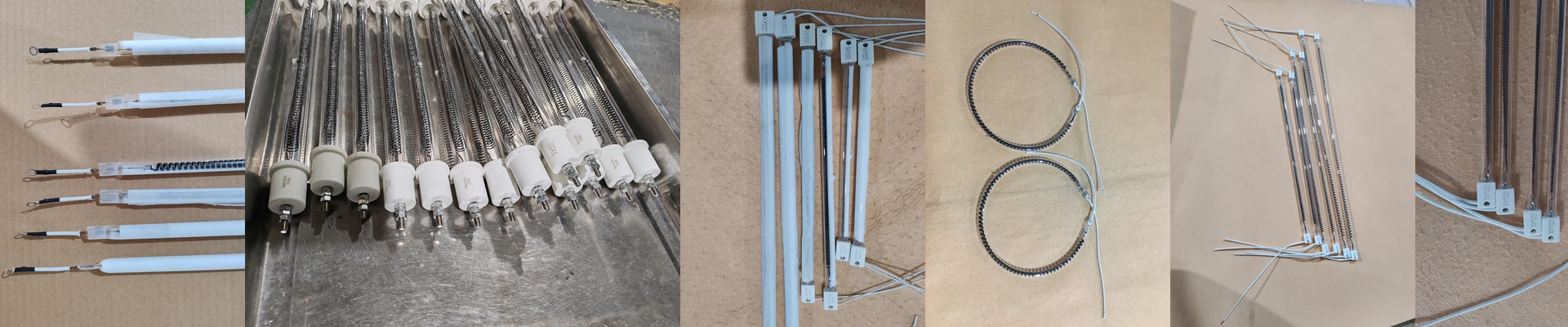
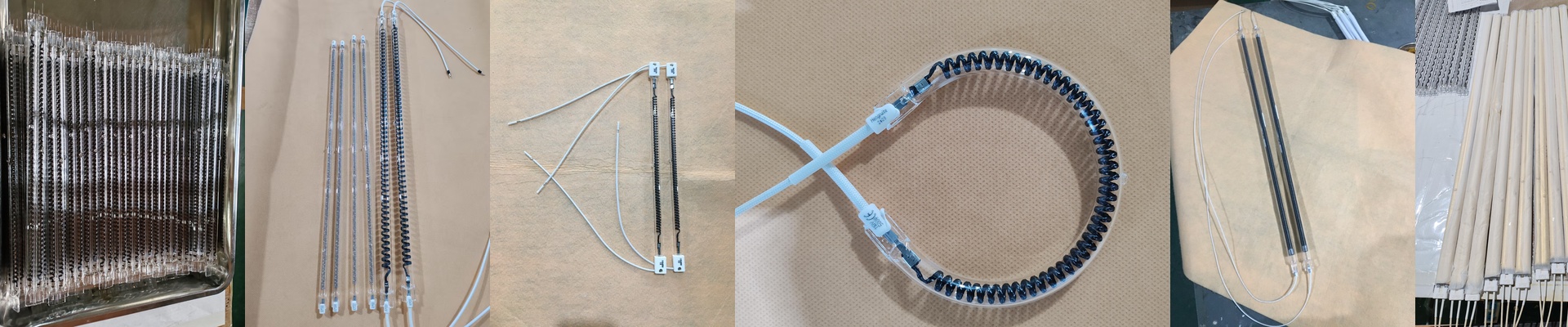
At the heart of these elements is a carbon fiber coil, designed to pack a lot of wattage into a tight space. A typical setup? 2500W at 400V, all inside a 300mm tube. That’s a lot of heat, right where you need it, without taking up a ton of room. The shape matters, too. The 300mm length keeps the heat focused, and the circular design keeps the temperature even across the whole element. Hook it up to your machine’s control logic, and it heats up almost instantly—thanks to its low mass. But here’s the catch: that kind of power density needs proper cooling. If your machine can’t shed the heat, your control system will struggle to hold a steady temperature. So yeah, you’ve got to plan for that.
Why Carbon Fiber? And Why the R7s Connector?
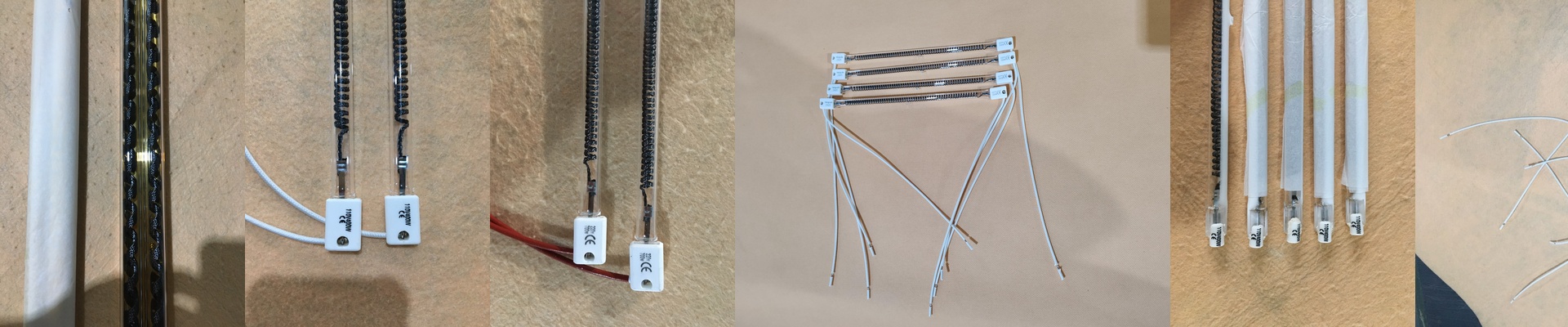
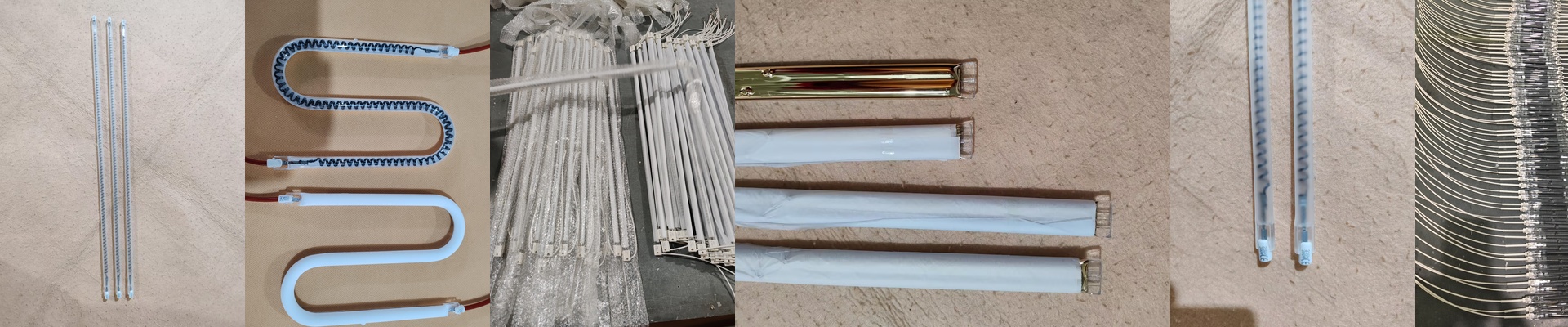
Carbon fiber just handles rapid heating and cooling better than metal sheath elements. It takes thermal shock in stride and keeps its resistance steady, even after thousands of cycles. And it’s built on a tough support—usually quartz or high-temp ceramic—then sealed tight against the environment. As for the R7s connector—it’s a no-brainer. It’s a standard industrial interface that locks in fast and carries high current without drama. If your machine was already set up for R7s, this is a straight swap. No fuss.
Where These Elements Shine: PET Blowing and Beyond
You’ll see these elements all over PET blowing setups, and in other extrusion or forming steps where you need fast, localized heat. Because they respond so quickly, you can fine-tune each heat zone with confidence—keeping material flow consistent and cycles running smoothly. In the real world, that means fewer burnouts from repeated heating and cooling, and a footprint that doesn’t hog space. These elements run hot, so your machine design has to be ready for that heat rejection. But when everything’s matched up right, you get rock-solid temperature control, dependable uptime, and replacements that are simple—even out in the field.