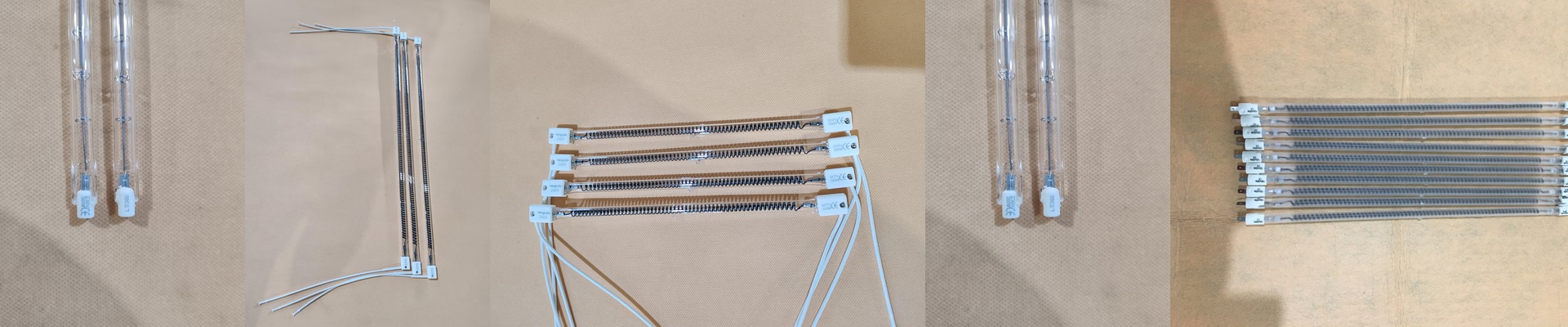
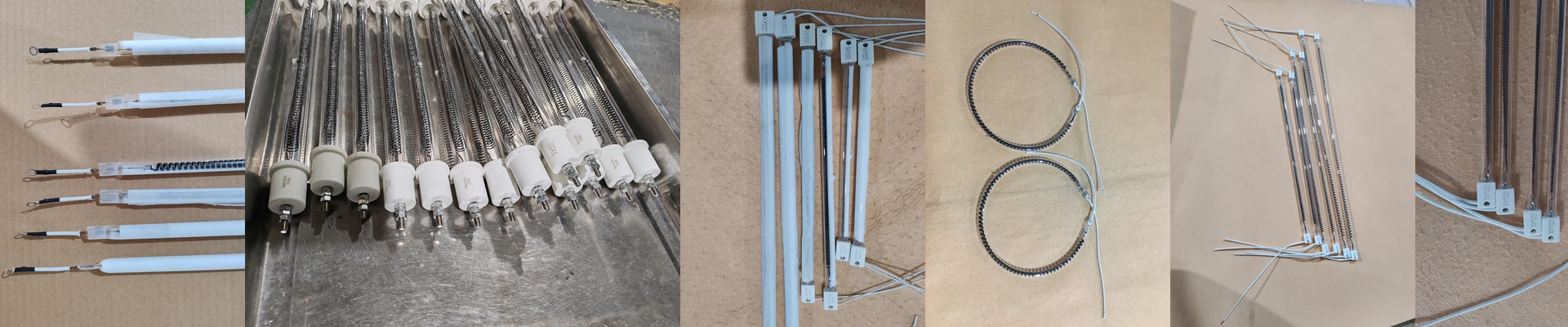
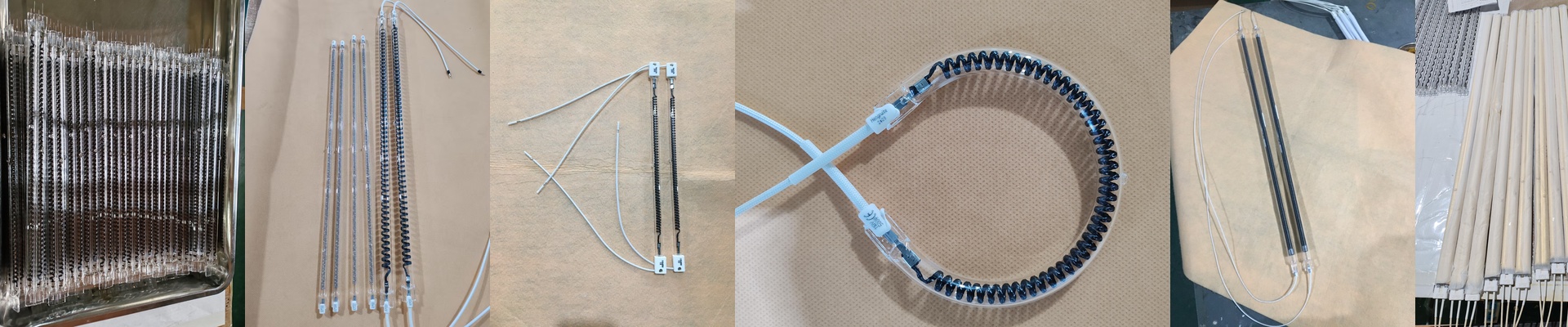
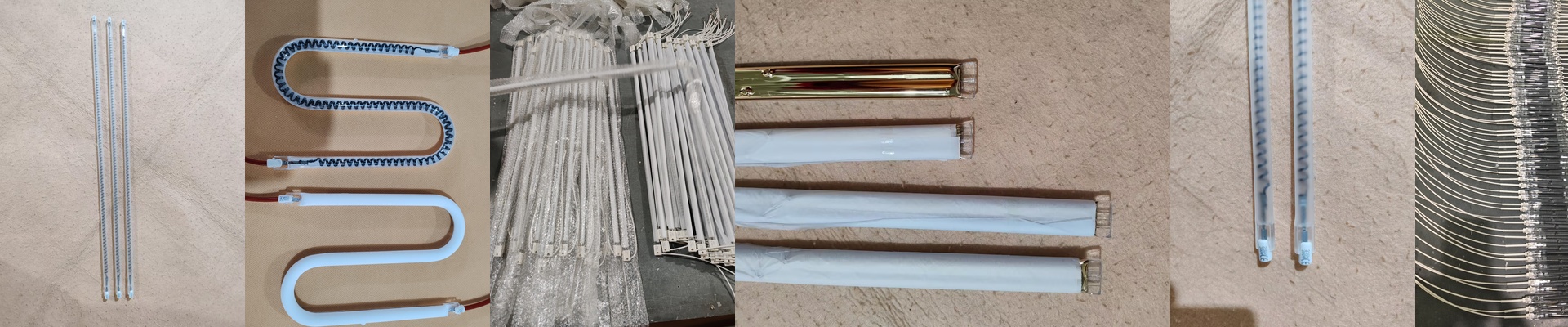

Getting the Heat Right in Adelco Tunnel Ovens
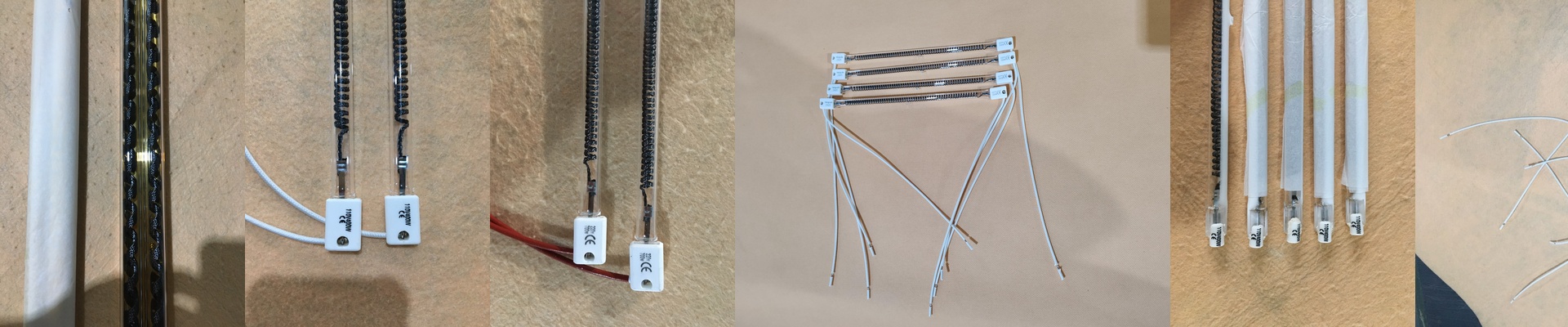
If you’re running an Adelco line, you know the struggle. Keeping the heat steady across a massive tunnel is a nightmare if your setup is off. That’s why we lean on quartz halogen bulbs. They hit different. Instead of just warming the air, they blast short-wave infrared radiation straight into the material. It’s faster, deeper, and just works better. The balancing act: Power and Voltage When you’re dealing with a 10 or 20-meter drying tunnel, you can’t just plug things in and hope for the best. We carefully pick bulbs with high wattage and matching voltage for a reason. Here’s the trick: by running a higher voltage, we keep the current draw per lamp low. This means we can wire a ton of units in a series without blowing a fuse or overloading the power supply. It creates this consistent “curtain of heat” that doesn’t dip halfway through the tunnel. But be careful. If you cram too much wattage into a short tube, you’re just asking for a burnout. It’s all about the balance. Why quartz and halogen? Inside these bulbs, we’ve got a tungsten filament housed in high-purity quartz glass. Now, usually, tungsten evaporates over time and the wire gets thin. But the halogen cycle fixes that. It basically grabs that evaporated tungsten and puts it right back onto the filament. The result? Your light output stays steady for thousands of hours. No fading. No guessing. We also add specific coatings to some bulbs. This makes sure the heat actually hits your product rather than just baking the oven walls. The practical stuff (and the warnings) These usually come with R7s or Sk15 connectors, so they just slide right into Adelco systems. They heat up fast and give you total control over each zone. But there is a catch. These lamps getintense. If your cooling fans are weak or your ventilation is clogged, those sockets will overheat and literally melt. It’s a mess. Just make sure the airflow around the ends of the lamps is wide open so you don’t end up with a thermal failure on your hands.