Getting the Most Out of Carbon Fiber Heating Tubes
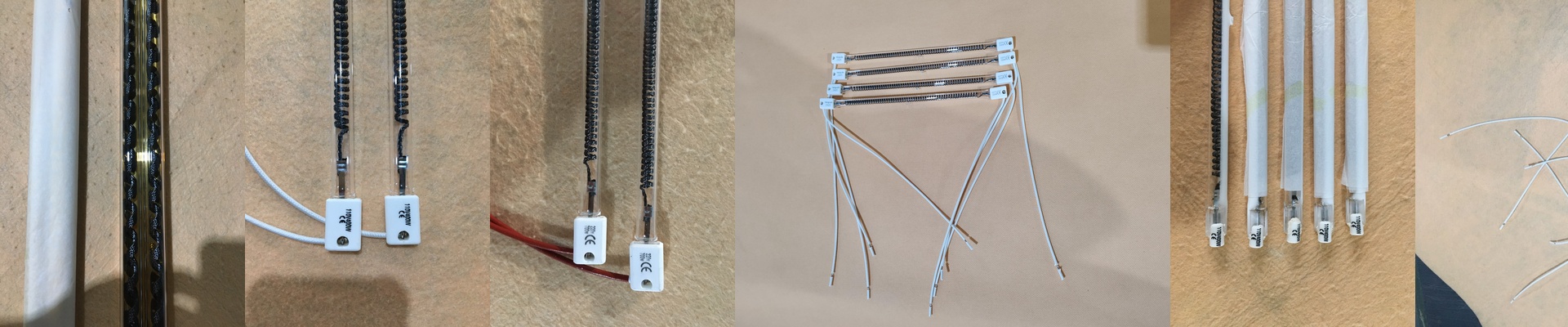
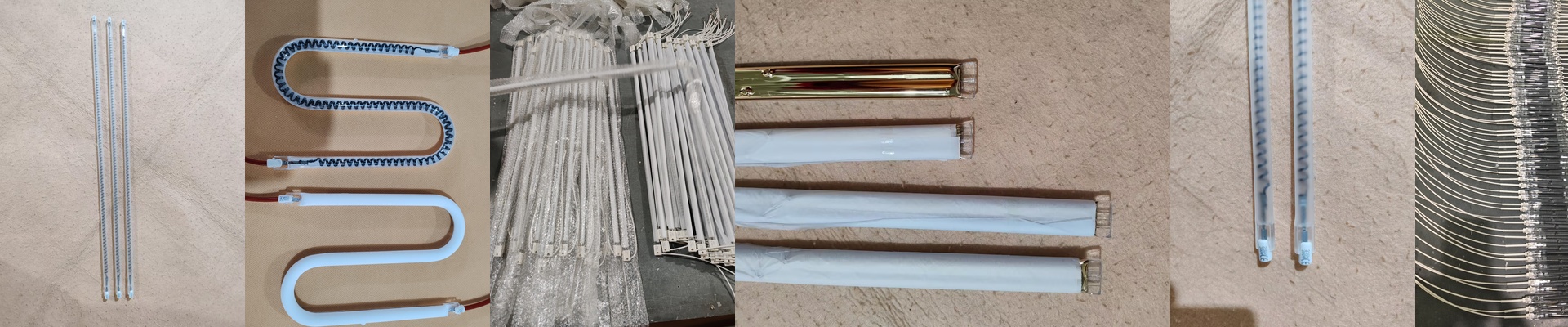
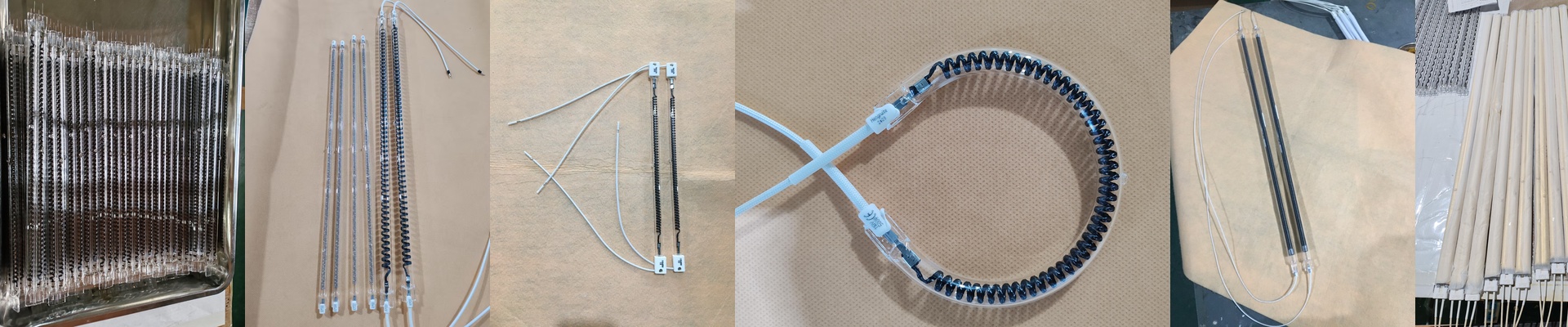
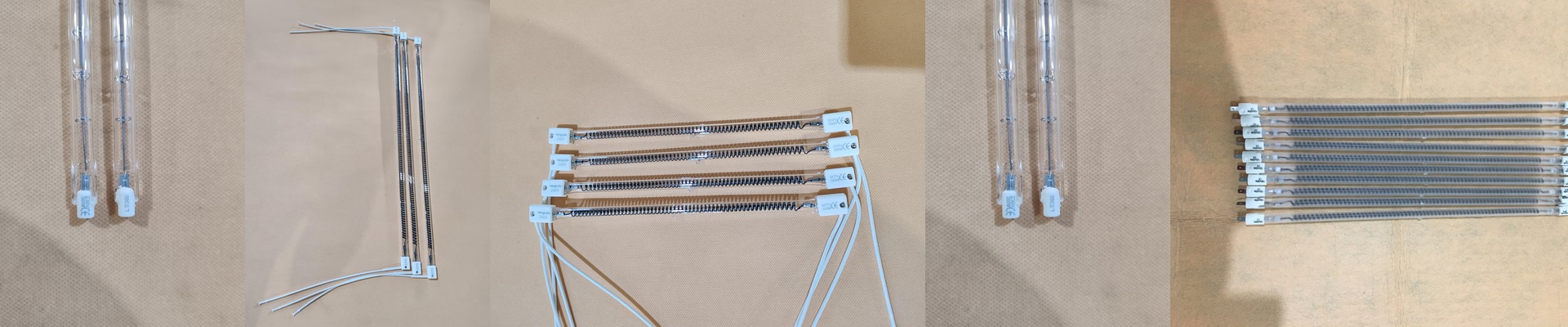
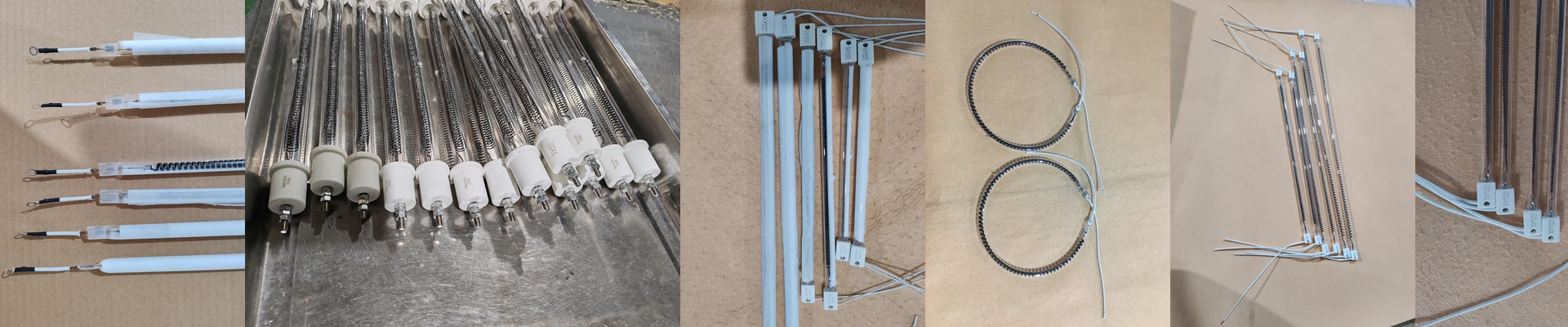
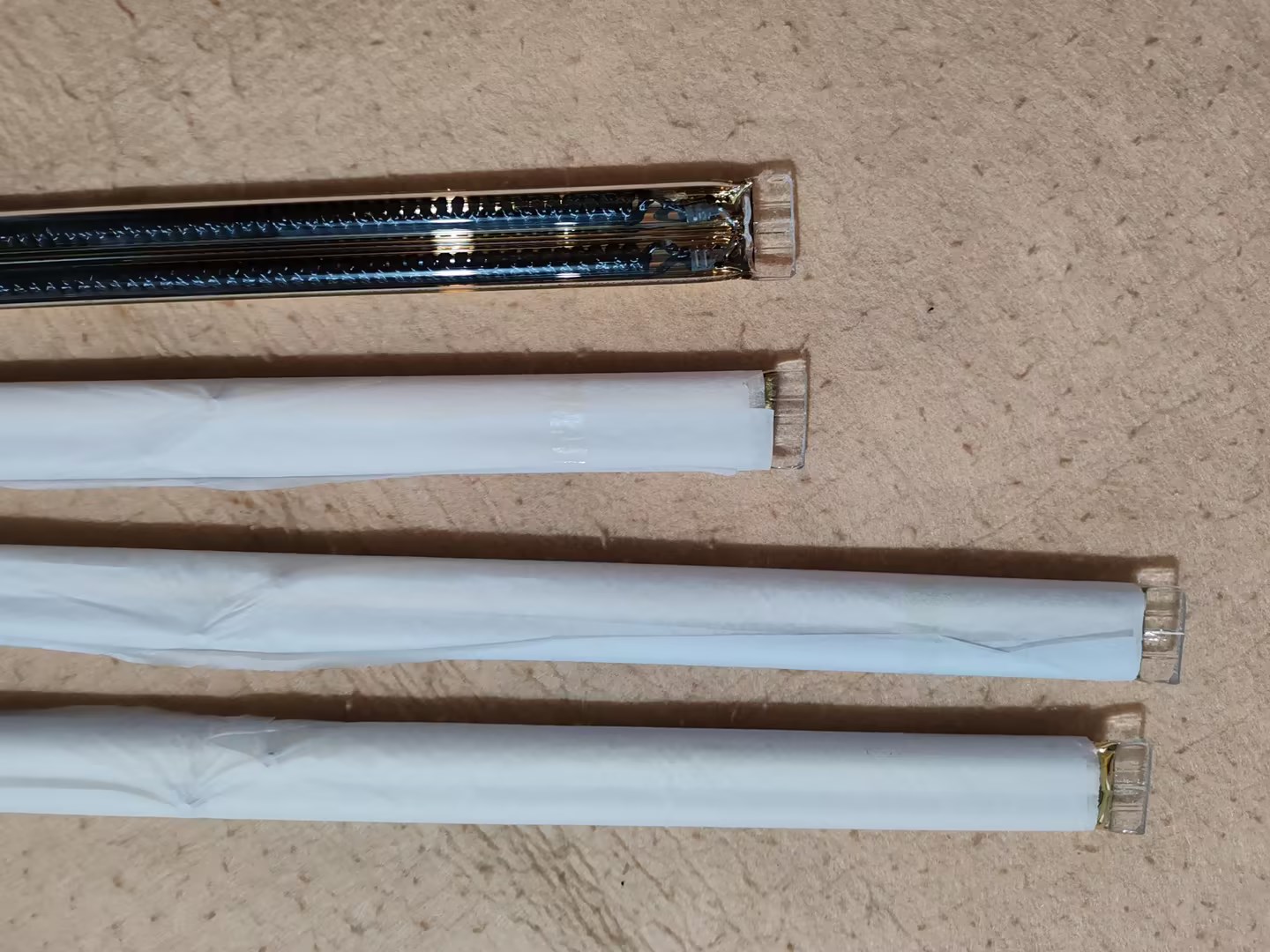
If you’re still using old-school metal filaments, you’re basically waiting around for your equipment to catch up with your production speed. We’ve moved over to carbon-carbon composite fibers because they just work better. They hit those high-intensity infrared levels way faster than a standard quartz lamp ever could. The nitty-gritty on power Here is the thing: carbon fiber has incredibly low electrical resistance. That means the second you flip the switch, the energy turns into heat. It’s almost instant. Now, depending on whether you’re running 220V or 380V, your wattage density is going to shift. A high-wattage tube is great because it saves space, but you have to be careful with your power supply. If you cram too many watts into a short tube, you’re asking for trouble—specifically, you’ll likely burn out the ends where the fiber hits the electrode. What’s under the hood? We wrap that carbon filament in a high-purity quartz envelope. Why? Because if oxygen gets to that fiber, it’s game over. Some of our tubes have a special coating that pushes the emission toward short-wave IR. This is a lifesaver if you’re working with plastics or metals, as the heat actually penetrates deeper into the material rather than just scorching the surface. As for the fit, we use R7s or SK15 bases. They’re simple drop-in replacements, so you can swap them into most industrial ovens without a headache. Real-world use (and the catch) You’ll see these things everywhere—PET bottle blowing, shrink wrapping, paint curing. The big win here is the ramp-up speed. You aren’t wasting electricity or time just waiting for the tube to start glowing. But there is a catch. Carbon fiber is a bit finicky when it comes to shaking. If your machine vibrates like crazy or someone bumps a tube during install, that filament can snap. It’s frustrating. To avoid that, use a rigid mounting bracket so the tubes aren’t taking a beating while the line is running. And please, make sure your cooling fans are actually sized for the heat soak around the lamp holders. You don’t want your hardware melting while the tube is doing its job.