Getting to the Heart of the Heat: Power, Voltage, and Size
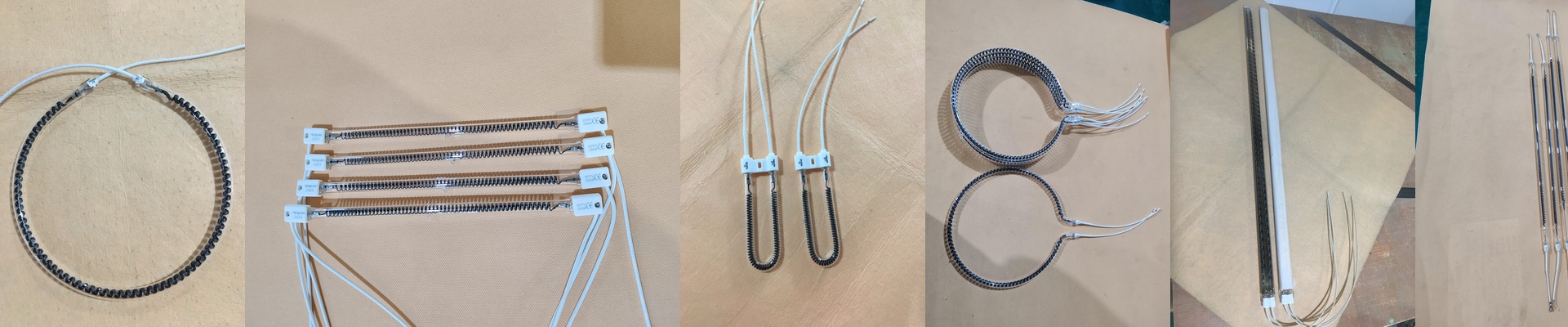
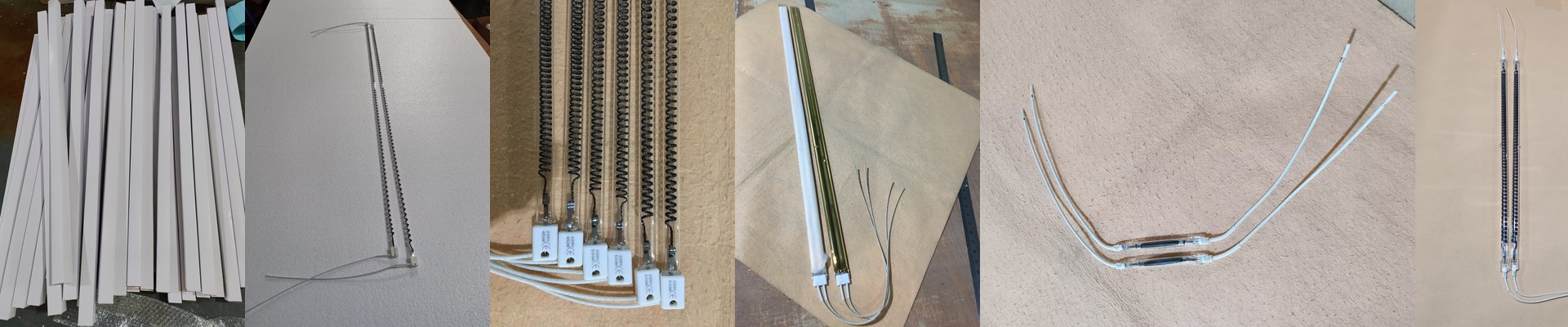
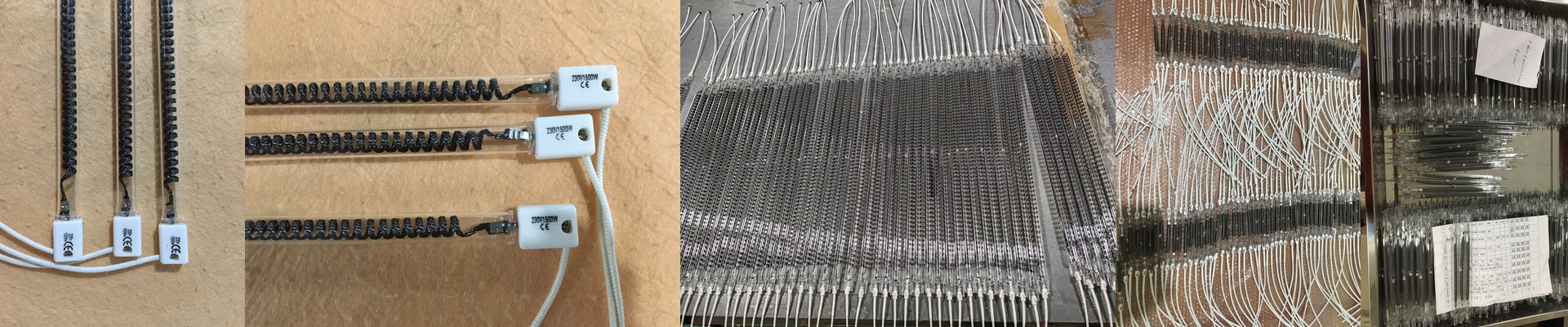
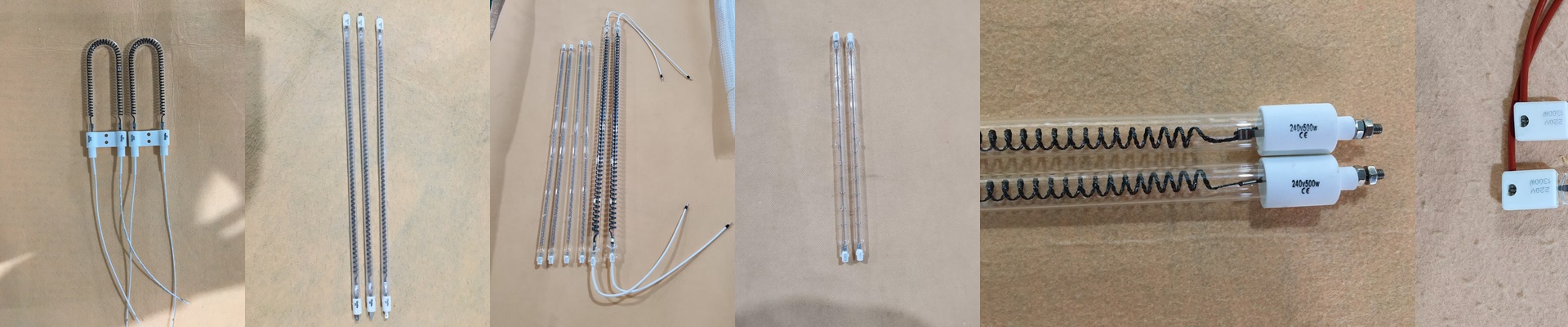
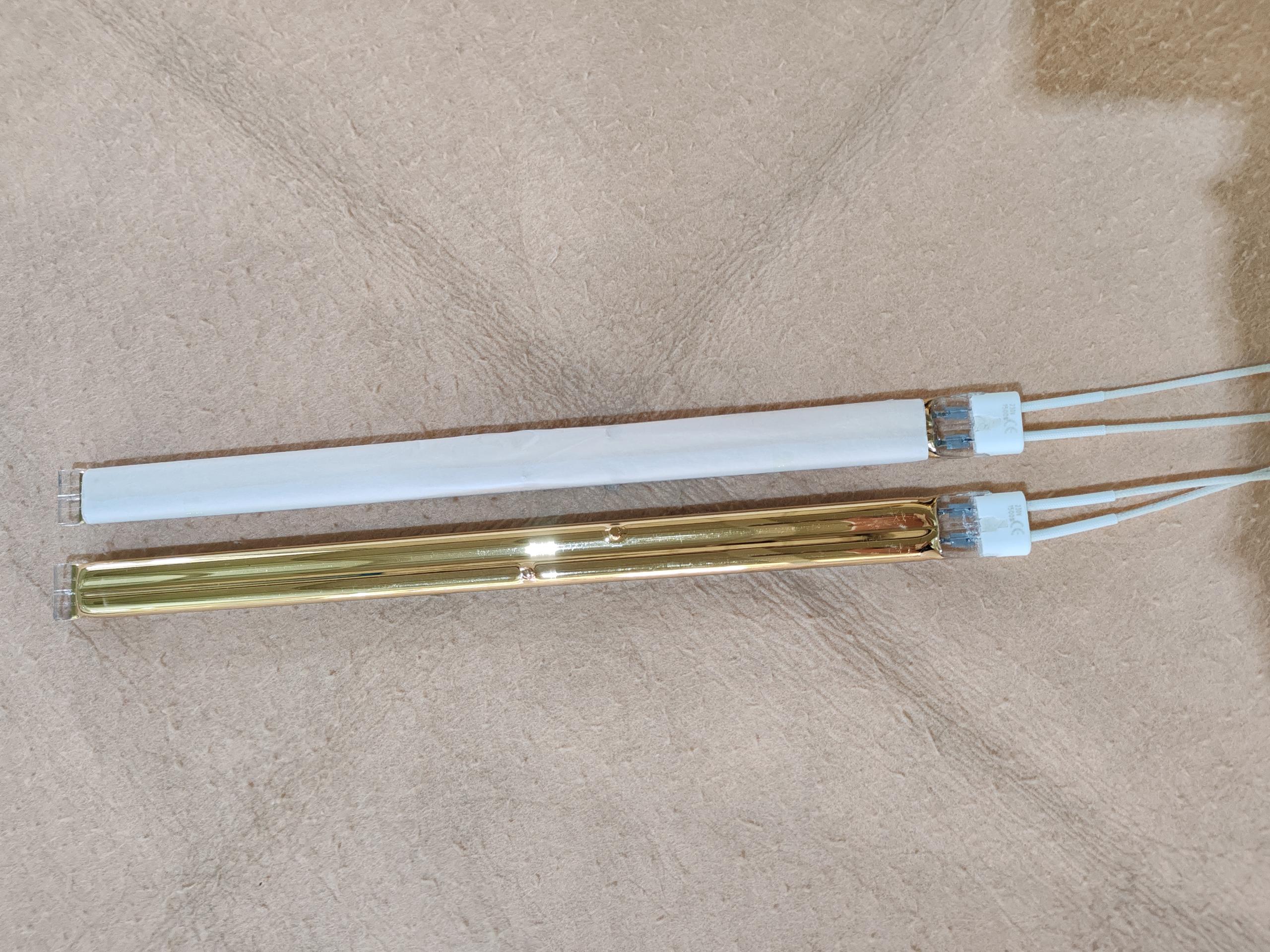
When we’re talking about carbon heater bulbs for industrial machines, we’re talking about one thing: fast, focused heat. The kind that gets the job done, and fast. So, here’s the setup we often go with: a 400V, 2500W unit, all packed into a compact 300mm tube. It’s intentional. Using that voltage lets us push serious power through a smaller wire, which keeps the bulb small. But it still delivers the wattage you need for a rapid temperature jump. And that 300mm length? It’s not random. It gives you a precise heating zone that fits right into common machine openings. So you can just drop it in. No need to re-engineer the whole housing.
The Inside Story: What It’s Made Of
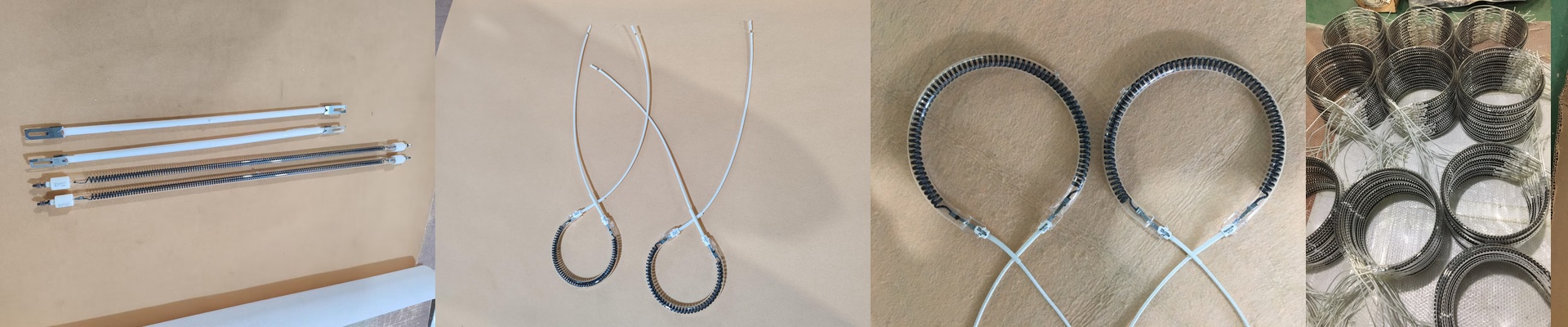
Inside, you’ve got a carbon filament, all snug inside a quartz envelope filled with halogen gas. That halogen gas is the secret sauce. It keeps the filament clean by cycling the tungsten vapor back where it belongs. The result? Stable output and a longer life than you’d get from a standard IR lamp. The quartz body itself is tough—it can handle sudden temperature changes and does a great job of transmitting that short-wave infrared heat. For hooking it up, we use R7s connectors. It’s a straightforward bi-pin setup—no special sockets needed. Just wire it up and lock it down. For tighter spaces, some versions even use SK15 connectors, built for compact, high-temperature connections.
Where It Shines: Tough Heat, Total Control
These bulbs are made for the tough stuff—the processes that need intense, localized heat. Think PET blowing, thermoforming, plastic welding. Because the heat is short-wave, it hits the surface fast, with low thermal mass. That means your cycle times shrink. But here’s the catch: that kind of heat density is serious. Your machine needs proper airflow and shielding to keep everything—and everyone—safe. What it boils down to for you? Predictable performance. Easy replacement. And temperature control you can count on, even in the middle of a loud, demanding shop floor.