Introduction
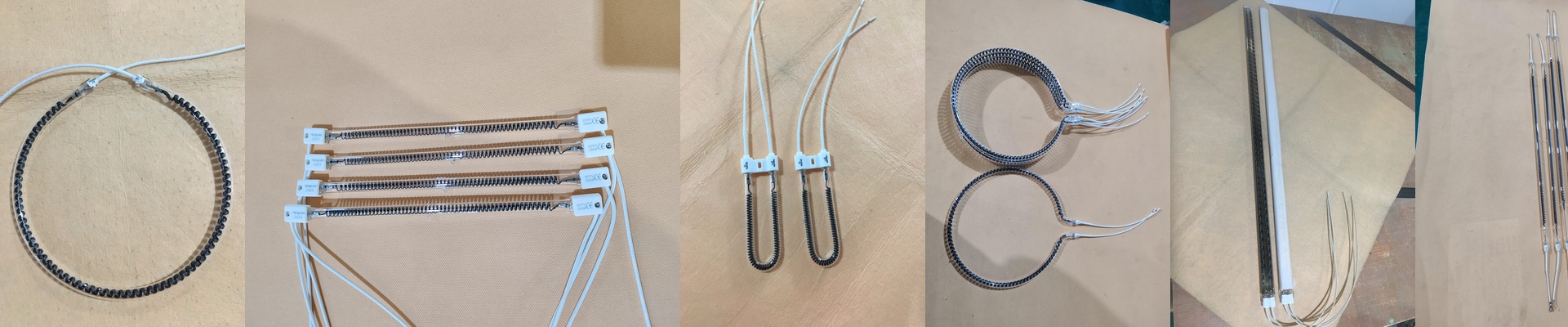
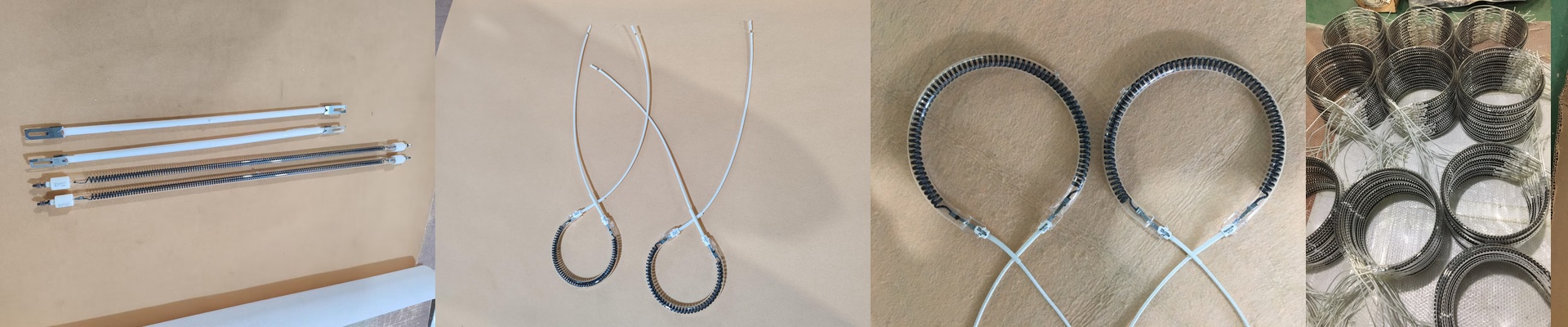
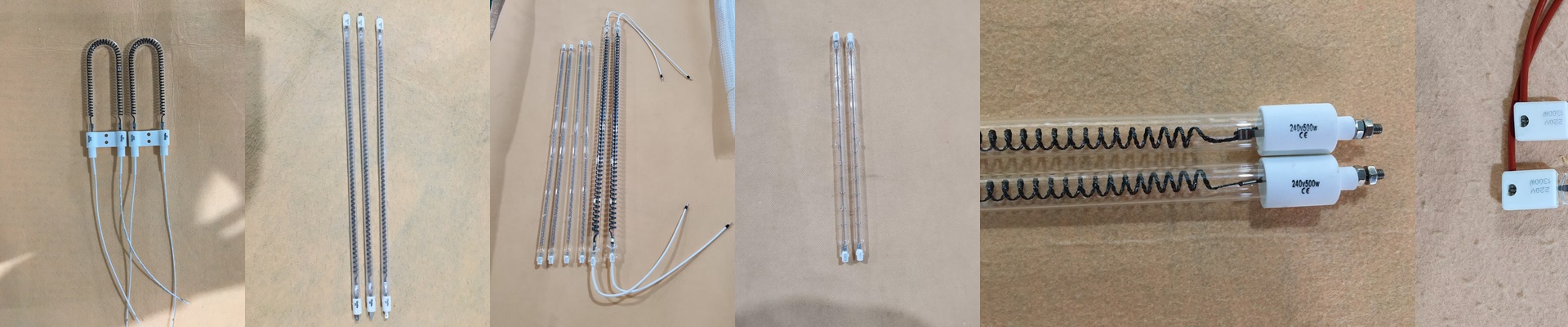
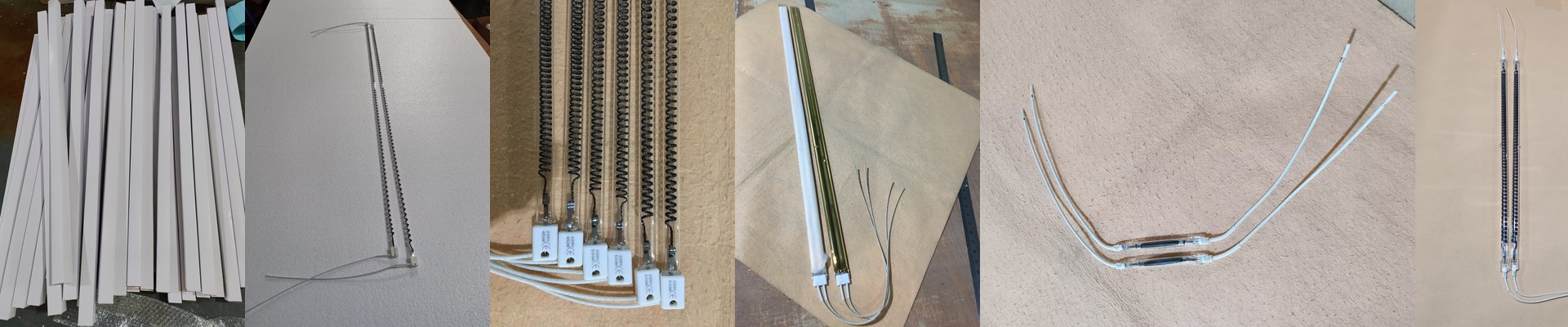
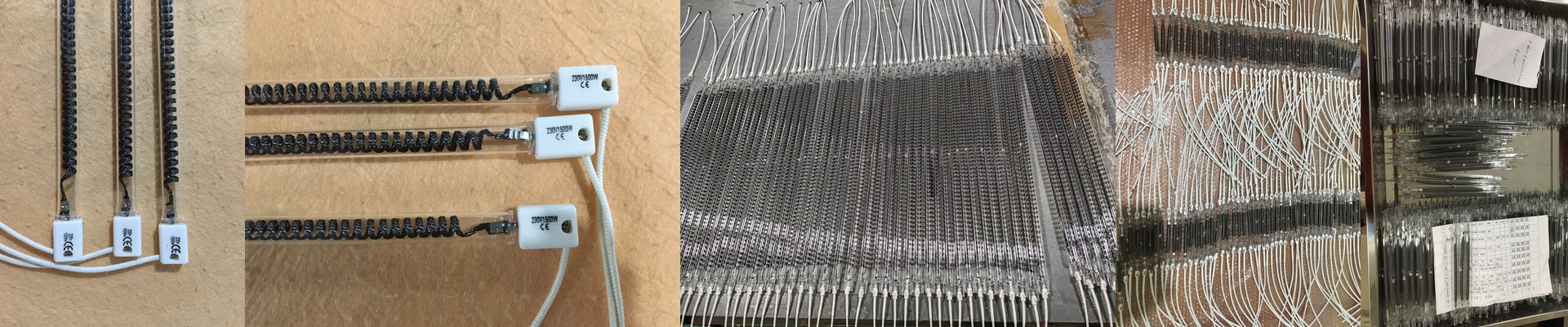
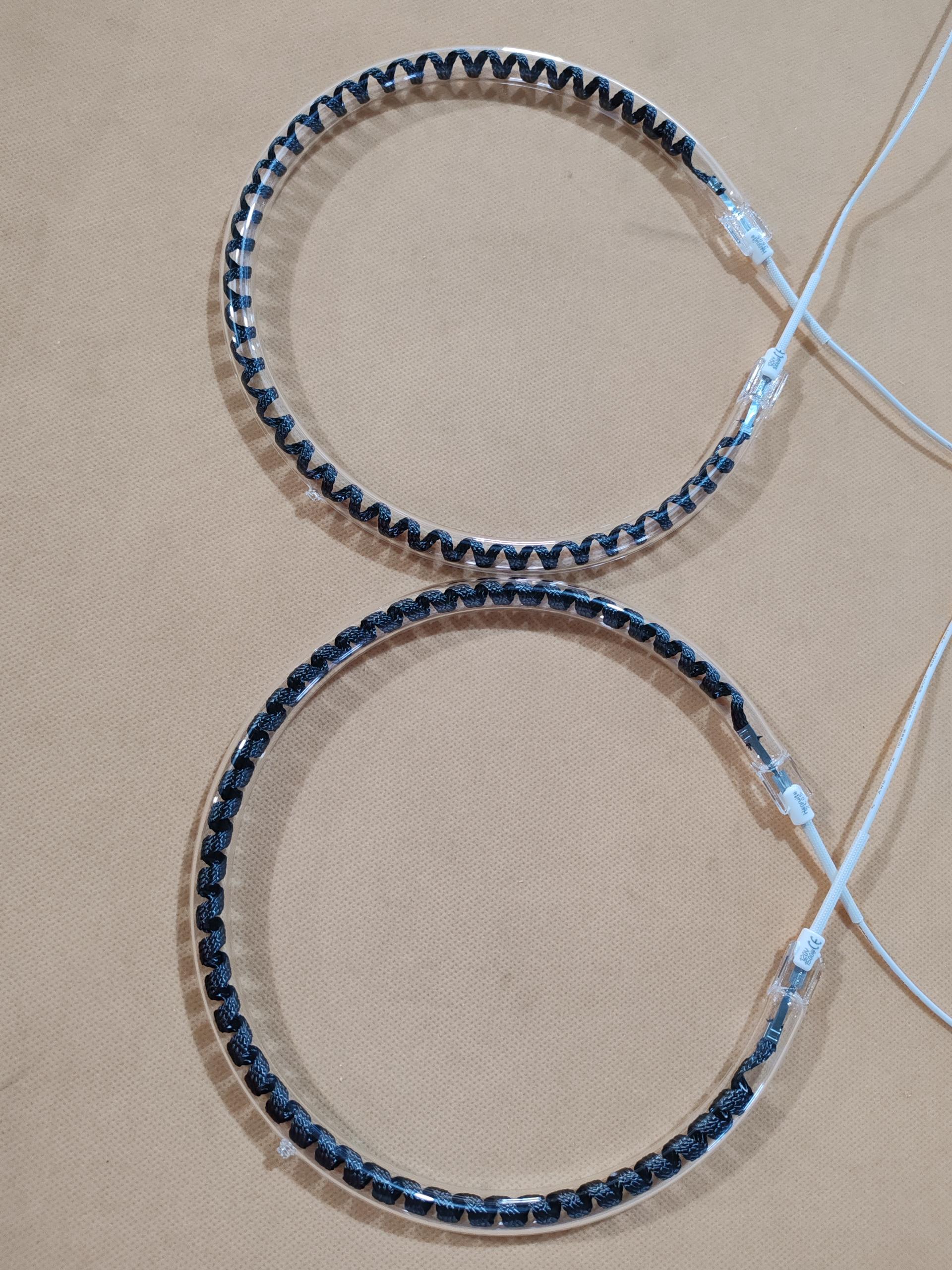
We built this carbon fiber heater for one reason: when your industrial process needs heat right now, and you need to control it with precision. It’s a serious piece of engineering—a high-intensity halogen infrared heater designed to blast focused, radiant heat exactly where you want it. Inside, a carbon filament sits in a quartz envelope, pumping out clean infrared energy. The best part? You can heat your target directly, without turning the entire machine bay into a sauna.
Technical Deep-Dive
Here’s the deal with the power setup. We went with a 400V rating because it gives you stable, high-wattage performance without overworking your electrical supply. Paired with 2500W of output packed into a 300mm tube, you get serious power density. That means the heater warms up fast and hits your target temperature almost instantly. But with that kind of punch, your control strategy and cooling have to be on point. And the compact 300mm footprint? It keeps the heat zone tight, which is a lifesaver when you’re working inside cramped equipment enclosures.
Material & Design
The magic happens inside the quartz tube. The carbon filament delivers strong, predictable infrared output. And thanks to the halogen cycle, the filament stays stable at high temperatures, which keeps it from blackening and ensures consistent performance over time. We also added a special coating to manage the emission spectrum and shield the quartz from harsh environments. Then there’s the R7s connector—a practical, no-fuss choice. It handles the voltage and current, locks in securely, and makes this lamp a simple drop-in replacement for standard industrial fixtures.
Application & Benefits
Out in the real world, this carbon fiber element shines when you need rapid, localized heating. Think plastic forming, drying, curing, or preheating before assembly. The combo of 400V, 2500W, and a compact 300mm tube gives you a dense heat source that’s easy to aim and even easier to control. You’ll see faster cycle times and repeatable heat input. Just remember, with that kind of power, you’ll need to manage the thermal load on nearby components and make sure you’ve got proper shielding in place.
Reality Check
Let’s be honest—high heat density has its trade-offs. You get lightning-fast response, but that also means more radiant heat hits the hardware around it. So, you’ve got to plan your mounting distance, use reflectors, and make sure cooling is dialed in.
Bottom Line
If your process calls for a tough, quick-response infrared heater that’s straightforward to spec and a breeze to wire up, this carbon fiber halogen design brings the power and the footprint to match real-world machine constraints.