
30 Days on the Line: What This Infrared Radiator Module Really Does in an MHM Machine
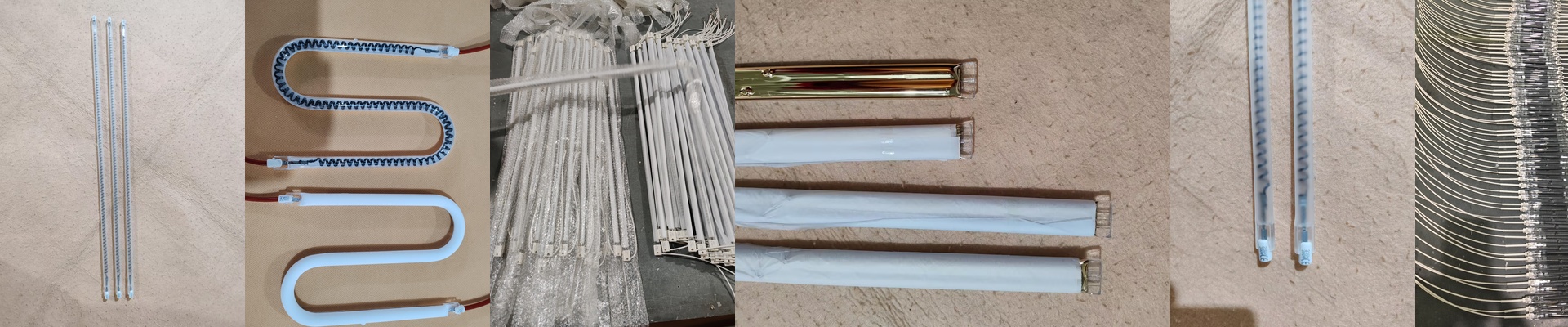
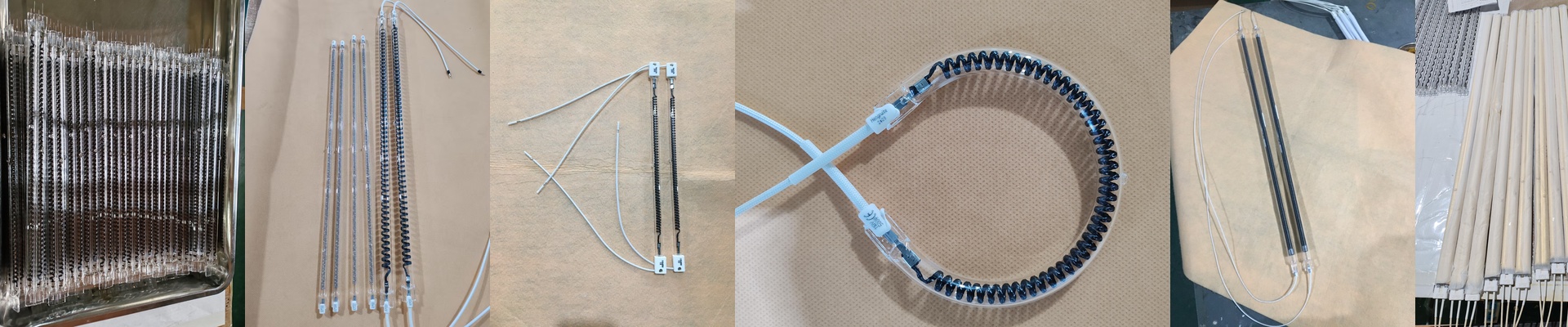
We built this infrared radiator module for one job: living inside an MHM machine, running around the clock. The big question was always this—can it keep delivering without frying itself, day after day? So we put it through the paces and wrote down what actually happened.
Power, voltage, and the space it needs
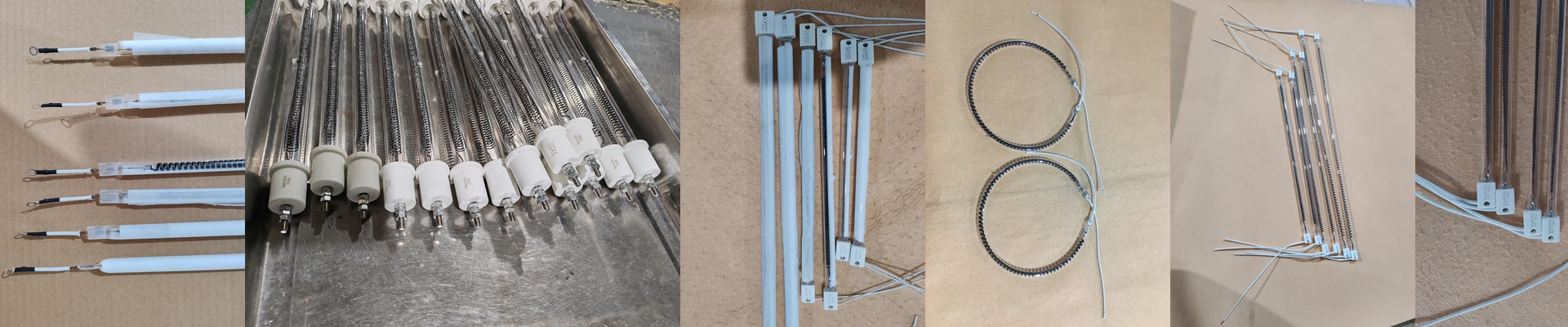
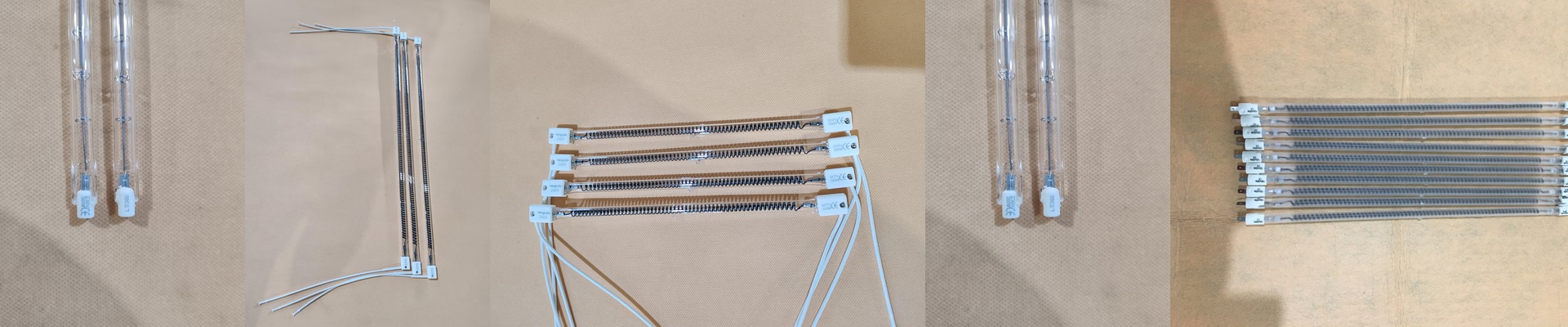
At the heart of the module is a halogen infrared lamp, designed to fit into those tight MHM heater zones. The headline number is the heat density: a 300mm tube, rated at 400V and 2500W. That kind of punch means it heats up fast and holds temperature steady—without taking up much room. But with that power comes real electrical needs. The 400V supply keeps the current lower, which eases the strain on wiring and reduces heat at the contacts. It also means your control system and cooling have to be ready for the heat load. This isn’t a bulb you just screw in and forget—it’s built for industrial work, day after day.
The materials that make it behave
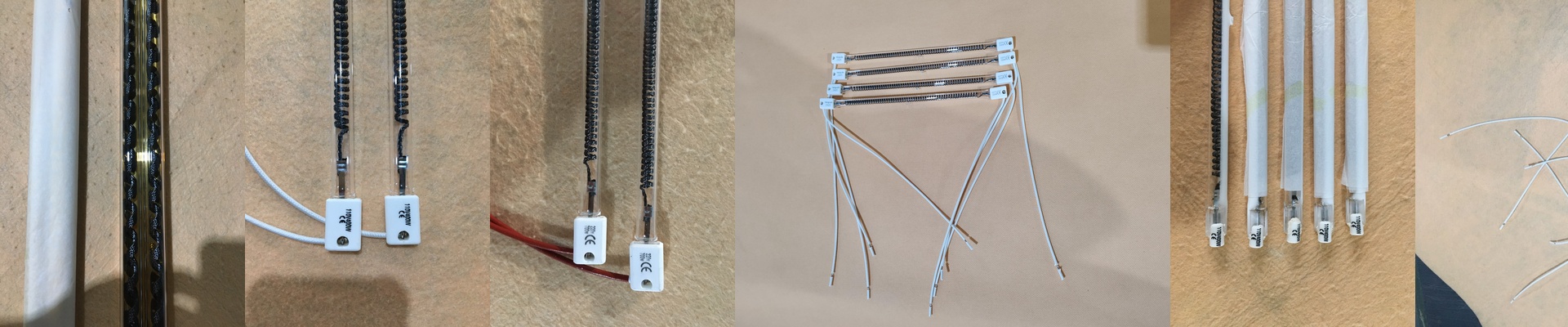
Inside the quartz envelope, we run a halogen cycle. That keeps the filament stable and fights the blackening that kills output over time. So the heat stays consistent, not drifting off as the days go by. The tube coating is there to aim the infrared energy where you need it—straight onto the target—instead of wasting heat into the machine and the surrounding air. And the connector is R7s, an industrial standard that’s earned its stripes. It locks in quickly, gives you solid contact, and handles the constant heating and cooling without getting finicky. Wire it up, set the alignment, and it stays put. No wiggle. No sputtering.
What it means when your MHM machine can’t afford downtime
In MHM equipment, uptime is the only scoreboard that matters. This module is designed as a drop-in replacement that can survive 30 days of continuous operation. The coating and halogen chemistry keep the output steady, so you’re not chasing temperature swings. Here’s the trade-off, straight up: that much heat density needs a cooling path that’s up to the task. If your MHM machine is set up for it, you get heating that’s predictable, fewer stoppages, and fewer spare parts burning out. That’s the kind of reliability we built it for.